Last October, the 4th Aseptic BioPharma Processing Summit drew in attendees from all over the pharmaceuticals industry to Vienna for two days of presentations by expert speakers from across the pharmaceuticals industry, panel discussions and plenty of networking breaks.
Solution providers, researchers, drug manufacturers and industry experts from across the aseptic processing industry came together at our incredible venue, the ARCOTEL Wimberger Wien, to navigate the latest developments in aseptic processing, quality risk management, robotics and automation, microbial monitoring, automated visual inspection and more.
The conference attendees also discussed topics such as fill-finish tech transfer challenges, aseptic process simulation (APS) validation and considerations, barriers technologies, lyophilization, innovative models for aseptic manufacturing, sealing and packaging technologies.
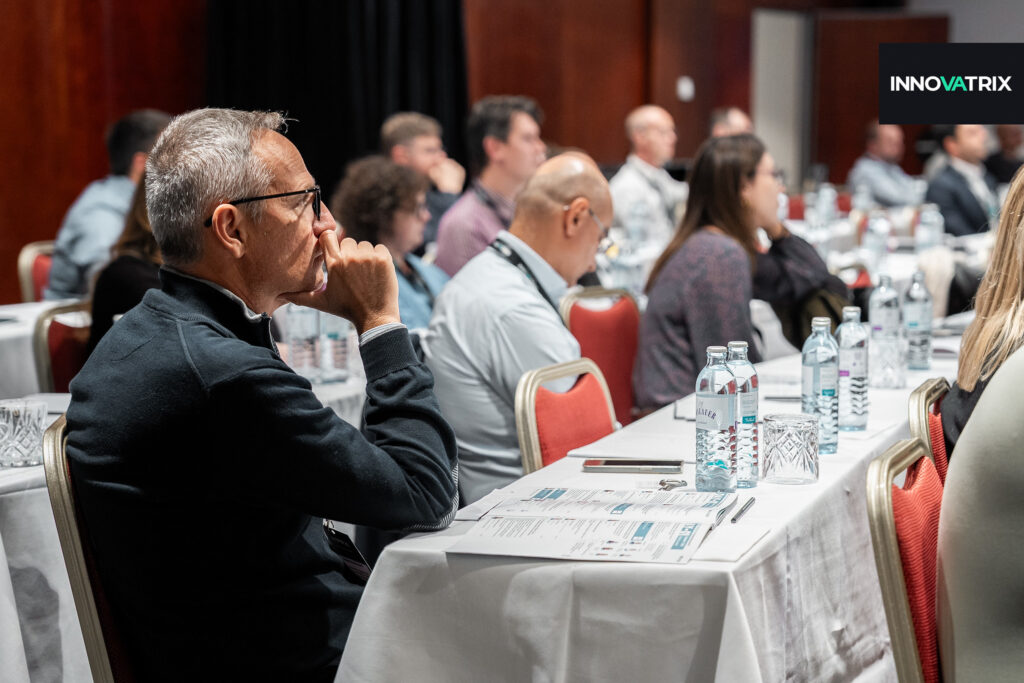
This article will provide a session recap for those who didn’t get the chance to attend and serve as a reminder to those who attended.
Monitoring under Annex 1: Challenges and How to Overcome Them
Annina Bindschedler, Scientic Expert Sterility Assurance at CSL Behring

Annina’s keynote explored the critical role of “first air” in aseptic manufacturing and the challenges of maintaining sterility within isolator and cleanroom environments under EU GMP Annex 1 requirements. She explained that first air refers to uninterrupted HEPA-filtered airflow protecting exposed product and critical surfaces from contamination, emphasising its importance in contamination control strategies, airflow visualisation studies, and sterile manufacturing operations.
The presentation examined different categories of critical surfaces, including direct and indirect product contact parts, as well as components that may disrupt first air despite not contacting the product directly. Annina highlighted common challenges during equipment setup and operator interventions, where airflow can be compromised, particularly by fixed or non-sterilisable components.
She outlined practical mitigation strategies including equipment redesign, minimising human interaction, customised sterile tools, protective covers, enhanced cleaning procedures, and targeted environmental monitoring. The keynote also addressed isolator setup challenges prior to bio-decontamination, particularly when large components require open-door transfer procedures, increasing contamination risk.
Finally, Annina reviewed Annex 1 transfer validation requirements, covering pass-through autoclaves, rapid transfer ports, and material airlocks. She concluded by stressing the importance of microbial studies and validated control measures to ensure sterile material transfer and maintain aseptic integrity throughout manufacturing processes.
Cleaning Validation in Sterile Environment
Eni Bushi, Head of Quality Assurance at Profarma

Eni’s keynote provided a comprehensive overview of cleaning validation requirements within pharmaceutical manufacturing, focusing on regulatory expectations, risk-based methodologies, and lifecycle approaches to maintaining equipment cleanliness and product safety. She explained that cleaning validation is essential to confirm the effectiveness of cleaning procedures for all product-contact equipment and highlighted the key global regulations and guidance documents governing validation practices across the EU and US markets.
The presentation emphasised the importance of scientific justification and risk assessment in cleaning validation programmes, including the identification of worst-case products, equipment, and residue scenarios. Eni discussed regulatory expectations surrounding acceptance criteria for product residues, detergents, microbiological contamination, and endotoxins, with limits based on toxicological evaluations such as PDE and MACO calculations.
She also reviewed validation execution requirements, including the expectation for three consecutive successful validation runs, validated analytical methods, recovery studies, and robust documentation practices supported by SOPs and change control systems. Particular attention was given to microbial and endotoxin control in sterile manufacturing environments.
The keynote concluded with an overview of current lifecycle-based approaches, automated cleaning technologies, and rinse sampling techniques for difficult-to-access equipment, highlighting the importance of continuous improvement and ongoing revalidation to ensure sustained cleaning effectiveness and regulatory compliance.
Aseptic systems provider’s examples of assembly and integration of aseptic processing equipment
Peter Požar, Sales Manager, and Primož Starovašnik, Chief of Engineering/Senior Project Manager, at Ipros

Peter and Primož delivered a keynote focused on sterile filtration systems, process integration, and practical engineering solutions designed to improve efficiency, sterility assurance, and GMP compliance within pharmaceutical and biotech manufacturing environments. Through a series of case studies and real-world examples, they explored how equipment design and process optimisation can minimise contamination risks while improving operational reliability and product yield.
The presentation highlighted innovations in mobile mixing vessels and gravitational emptying systems, including the use of elevators to reduce product loss and improve efficiency during compounding and filtration processes. Peter and Primož explained how customised hose supports and optimised handling procedures contribute to repeatability and more consistent manufacturing outcomes.
They also discussed validation-focused engineering solutions, such as specialised adapter inserts for temperature mapping and biological indicator testing, enabling more precise sterilisation control and easier regulatory compliance. Additional topics included customised filter housing connections, sloped piping systems, and the relocation of non-essential equipment to technical areas to support cleaner, safer operator workspaces and reduce cross-contamination risks.
The keynote concluded with insights into single-use hybrid solutions, inline PUPSIT optimisation, and multipurpose filtration systems designed to improve flexibility while maintaining sterility assurance. Throughout the session, the speakers emphasised the balance between operational efficiency, validation requirements, and reliable, repeatable product quality.
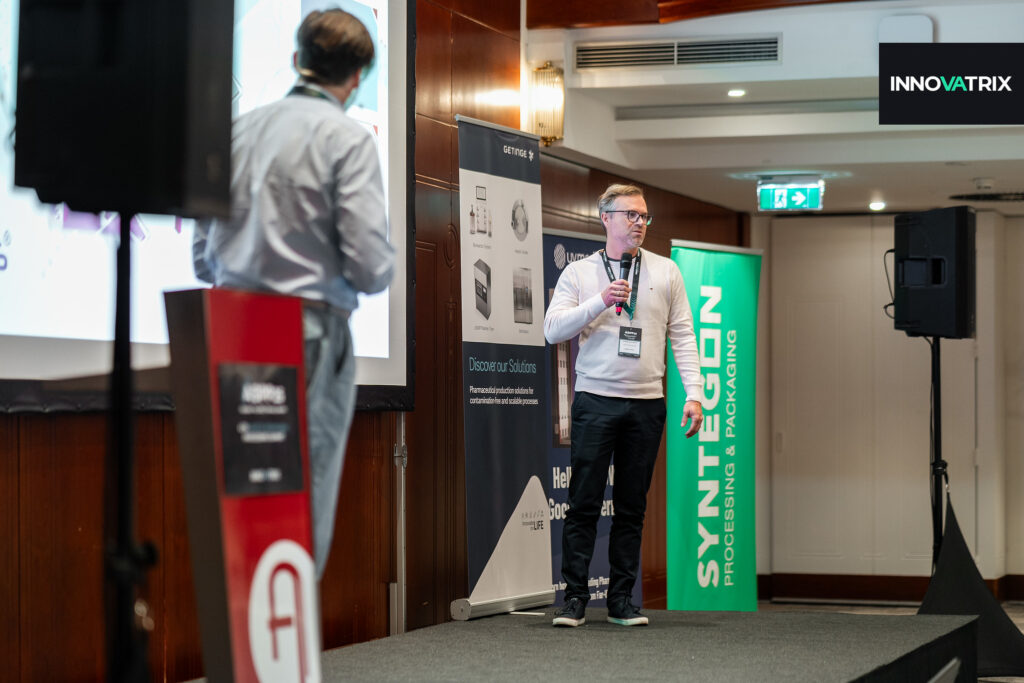
The Application and Qualification of Anti-Microbial Light Technology for Aseptic Cleanrooms
Karen Capper, Head of Microbiology, Pharmaceutical Technology & Development at AstraZeneca

Karen’s keynote explored the scientific principles, implementation challenges, and practical applications of UV-C disinfection technology within aseptic cleanroom environments. She explained how UV-C light at a wavelength of 254 nm damages microbial DNA and RNA through the formation of thymine dimers, preventing microorganisms from replicating and ultimately leading to cell death and spore inactivation. The presentation highlighted how disinfection efficacy is dependent on UV-C dose, with exposure time and distance from the light source directly influencing performance.
Using a case study involving an autonomous UV-C disinfection robot, Karen examined how automated disinfection technologies can reduce reliance on manual cleaning processes, which are known to increase contamination risks due to human intervention. The study evaluated the robot’s effectiveness against a range of compendial organisms and site-specific isolates, targeting defined log reductions for vegetative bacteria, bacterial spores, and fungal spores in line with USP <1072> expectations.
Karen also discussed material compatibility and corrosion studies carried out using a replica UV tower in a laboratory setting. While strong reductions were achieved for many organisms, she noted that higher UV-C doses may still be required for effective spore control alongside traditional sporicidal cleaning methods.
The keynote concluded that UV-C technology offers significant benefits for contamination control, sustainability, operator safety, and cost reduction, and is likely to become an increasingly important component of future cleanroom disinfection programmes.
Unlocking Optimization Potential: Advanced Aseptic Valve Design for Efficiency, Durability, Safety, and Sustainability in Aseptic Manufacturing
Thomas Köder, Head of Product & Application Management Business Unit Pharma, Food & Biotech at GEMÜ Group

Thomas’ keynote focused on the development of advanced valve technologies and customised process solutions for the pharmaceutical, food, and biotech industries, with a strong emphasis on understanding user requirements and balancing operational efficiency with regulatory compliance. He explored the key factors influencing equipment selection and system design, including capital and operational expenditure, total cost of ownership, installation efficiency, and process flexibility.
The presentation examined the importance of hygienic design in modern manufacturing environments, highlighting the need for cleanability, CIP/SIP compatibility, minimal dead legs, and robust contamination control measures. Thomas also discussed the growing demand for integrated process monitoring, maintenance-friendly systems, and reliable actuation capable of withstanding chemical and thermal stress while minimising downtime.
Several innovative valve technologies were showcased, including diaphragm valve solutions featuring advanced sealing systems and EasyLock technology, designed to improve usability, simplify maintenance, and enhance operational reliability. He also highlighted the role of ergonomic handling, spare parts standardisation, and simplified operation in supporting efficient manufacturing workflows.
A key application case focused on a filter block with integrated PUPSIT functionality, demonstrating how optimised system design can significantly reduce weld joints, save installation space, simplify integrity testing procedures, and minimise dead legs to reduce product loss.
Throughout the session, Thomas emphasised the importance of combining engineering precision, regulatory compliance, and practical usability to deliver reliable and efficient processing solutions for highly regulated industries.
Contamination Control Strategy: A Compliant, Practical and Innovative Global Approach
Alberto González, Global Sterility Assurance & Micro Associate Director at Takeda

Alberto’s keynote explored practical and compliant approaches to implementing Contamination Control Strategies (CCS) in line with EU GMP Annex 1 requirements. He explained that an effective CCS must provide a holistic framework for defining critical control points, assessing the effectiveness of existing controls, and managing risks to product quality and patient safety across sterile manufacturing operations.
The presentation focused on Takeda’s approach to CCS implementation, highlighting how the strategy integrates all 16 Annex 1 CCS elements while remaining practical, efficient, and aligned with existing quality systems. Alberto emphasised that the CCS should function as a high-level overview rather than a duplication of existing documentation, with detailed information, risk assessments, and supporting data maintained within the Quality Management System (QMS).
He explained that the CCS methodology is designed to map controls, evaluate their effectiveness, and identify actions where improvements are required, while leveraging existing QMS processes rather than generating unnecessary new data. The approach also avoids treating the CCS as a standalone formal risk assessment, instead integrating existing risk management activities into a broader contamination control framework.
Throughout the keynote, Alberto stressed the importance of creating a truly holistic and integrated contamination control strategy that combines procedural, technical, organisational, and monitoring measures to support regulatory compliance and maintain sterility assurance across pharmaceutical manufacturing operations.
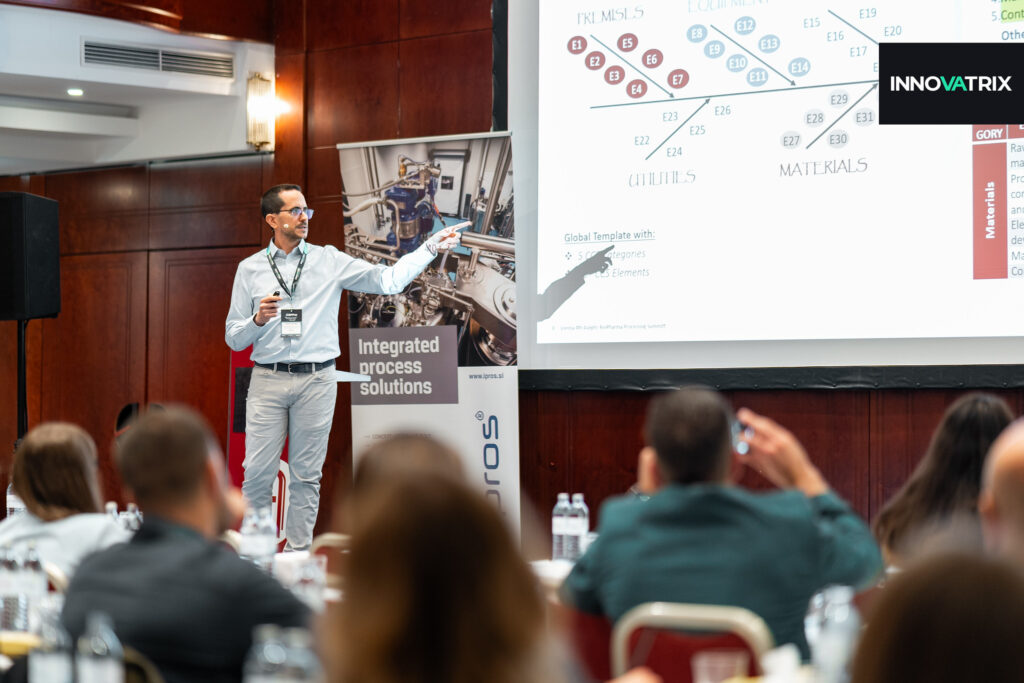
PUPSIT – Regulatory compliance and QRM in final filtration
Magnus Stering, Product Manager Integrity Testing Solutions, and Martijn Stax, Product Manager, at Sartorius

Magnus and Martijn delivered a keynote examining the role of Pre-Use Post Sterilisation Integrity Testing (PUPSIT) in sterile filtration processes, with a particular focus on quality risk management (QRM), regulatory expectations, and the growing role of automation in reducing operational risk. They explained that PUPSIT is intended to confirm filter integrity immediately before use, addressing the theoretical risk that a damaged filter could become clogged during filtration and still pass a post-use integrity test.
The presentation explored the broader principles of QRM in final filtration, emphasising the importance of supplier quality management, reliable integrity testing, representative filter validation, and robust single-use systems. Magnus and Martijn highlighted the need for testing methods capable of avoiding both false passed and false failed results, while also ensuring validation conditions accurately reflect worst-case process scenarios.
A key focus of the keynote was the operational complexity associated with PUPSIT implementation. The speakers noted that additional components, connections, and filters can increase contamination risks and create greater opportunities for human error. To address these challenges, they demonstrated how automation can significantly improve precision, reduce manual intervention, accelerate testing procedures, and support compliance with ALCOA+ data integrity principles.
The session concluded by reinforcing that while PUPSIT has been an established regulatory expectation for decades, it should form part of a broader QRM strategy. The speakers stressed that automated systems and experienced suppliers are essential for minimising risk, improving reliability, and ensuring robust sterility assurance within modern pharmaceutical manufacturing operations.
Challenges and Considerations During the Setup: A Case Study on Isolator Technology
David Alonso Quintans, QA Compliance Officer – Aseptics Project, and Jessica Rico, Cell Supervisor Aseptic Processes (Operation Department), at Boehringer Ingelheim

David and Jessica presented a keynote examining the challenges of aligning evolving aseptic manufacturing regulations with the practical realities of isolator design, equipment handling, and operational processes. Their session focused on the growing complexity of setup activities in sterile manufacturing environments and the operational adaptations required to meet current regulatory expectations.
The presentation highlighted the difficulties associated with the disassembly, sterilisation, and reassembly of indirect product contact parts, particularly large and heavy components such as sorting bowls. David and Jessica explained how these activities can create risks related to equipment damage, misalignment, and operator handling. Additional challenges arise when transferring and assembling components within closed isolators following VHP bio-decontamination, where limited glove access, material transfer restrictions, and waste handling requirements can compromise sterility assurance and operator ergonomics.
They also discussed the increasing impact of Annex 1 expectations on setup procedures, including enhanced cleaning and disinfection activities, sterilisation processes, material preparation, and isolator assembly operations. The speakers emphasised the need for a significant cultural and operational shift within aseptic manufacturing teams, supported by strengthened aseptic techniques, personnel over-gowning, extensive training and qualification programmes, and increased QA oversight.
The keynote concluded by outlining the broader validation impact of these regulatory changes, including additional smoke studies, enhanced decontamination procedures, increased autoclaving requirements, and more complex APS activities. David and Jessica noted that while these measures strengthen contamination control, they also significantly increase setup and revalidation times across aseptic operations.
Fill finish operations for high-potency products – with a case study for an ADC facility
Lukas Munzinger, Global Product Manager at Syntegon

Lukas’ keynote explored the growing impact of oncology drug development on pharmaceutical manufacturing and the increasing importance of designing facilities and equipment capable of safely handling potent and high-potent compounds. He highlighted that oncology products now represent a dominant share of new drug developments, with many classified as highly potent substances requiring enhanced containment and operator protection measures.
A major focus of the presentation was the importance of Occupational Exposure Limits (OEL) and Occupational Exposure Bands (OEB) in defining safe manufacturing strategies. Lukas explained how OEL values determine the acceptable level of operator exposure over a working shift, while OEB classifications group substances according to their exposure risks. He noted that classifications and regulatory expectations can vary between countries and organisations, making careful assessment essential during project planning.
The keynote also examined the balance between GMP requirements and environmental, health, and safety considerations in high-potent manufacturing environments. Lukas outlined key isolator design features developed specifically for potent applications, including single-wall door systems, cleanable air return ducts, and filtered vacuum systems designed to prevent contamination and simplify cleaning procedures.
Concluding the session, he stressed that the manufacture of high-potent drugs will continue to expand rapidly, requiring robust containment strategies, carefully defined operational procedures, and strong collaboration between manufacturers, equipment suppliers, and engineering partners to ensure both regulatory compliance and operator safety.
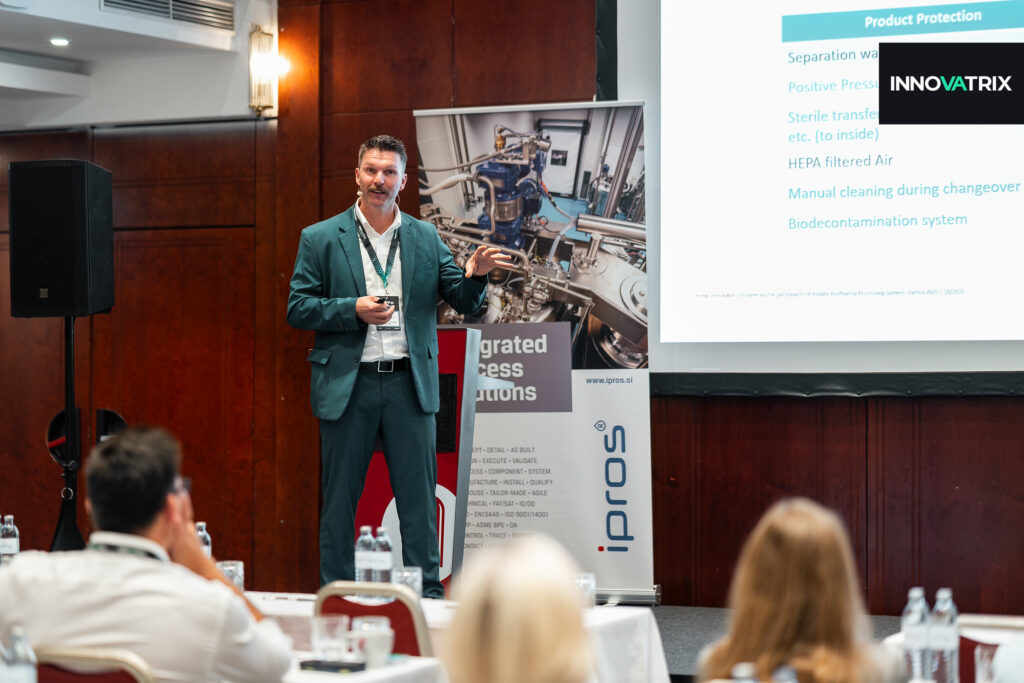
Strategy, Implementation, and Maintenance of Process Validation for Sterile Drug Products
Dr Anne Orillo, Senior Validation Lead at Novartis#

Anne’s keynote provided a detailed overview of process validation strategies within pharmaceutical manufacturing, focusing on lifecycle-based validation approaches, regulatory expectations, and audit learnings related to maintaining a validated state. She explained how validation activities are structured through the Site Validation Master Plan (SVMP), which integrates international guidelines such as ICH Q8, Q9, and Q10 with internal quality systems, validation master plans, and operational procedures across facilities, equipment, manufacturing, cleaning, analytics, and computerised systems.
The presentation examined the three stages of the process validation lifecycle: process design, process qualification, and ongoing process verification (OPV). Anne highlighted the importance of defining commercial manufacturing processes through development and scale-up activities before demonstrating reproducibility through validation batches and continuous monitoring during routine production.
A significant focus was placed on practical validation challenges and regulatory feedback, particularly regarding batch size strategies. Anne discussed differences between target batch sizes and broader batch size ranges, noting that health authorities increasingly expect validation activities to demonstrate the full validated manufacturing range. She also addressed cumulative hold-time studies for temperature-sensitive drug products, emphasising the need to evaluate total exposure times outside controlled storage conditions during manufacturing and packaging activities.
The keynote concluded with insights into maintaining the validated state through OPV programmes, annual product reviews, follow-up stability studies, change control systems, and risk-based revalidation activities, reinforcing the importance of continuous process monitoring and regulatory readiness throughout the product lifecycle.
Next-Generation Aseptic Material Transfer: Technologies Shaping Pharmaceutical Sterility
Varadharaj Vijayakumar, Associate Director – (Aseptic Fill-Finish) at Terumo Medical Care Solutions

Varadharaj’s keynote focused on contamination risks associated with material transfer in aseptic manufacturing and the critical importance of validated sterilisation and transfer processes in maintaining sterility assurance. He emphasised that material transfer remains one of the highest contamination risks within cleanrooms and aseptic zones, with regulatory authorities placing significant attention on the robustness and validation of transfer methods under EU Annex 1 and FDA expectations.
The presentation reviewed preferred sterilisation and transfer strategies, highlighting terminal sterilisation as the preferred option wherever feasible, particularly heat-based methods. Varadharaj explained the advantages of unidirectional transfer processes, double-ended sterilisation systems, and validated low-temperature alternatives such as VHP, ethylene oxide, radiation, and sporicidal agents for temperature-sensitive materials.
He also explored modern transfer technologies including VHP chambers, electron beam sterilisation, no-touch transfer systems, and closed transfer systems such as RTPs and alpha-beta ports, demonstrating how these solutions reduce operator intervention and contamination risk while supporting efficient aseptic operations.
A major focus of the session was the role of an effective Contamination Control Strategy (CCS), incorporating gowning, environmental monitoring, isolators, and validated transfer procedures to manage known bioburden risks. Varadharaj also reviewed common regulatory observations, including inadequate surface disinfection, insufficient airflow validation, and inappropriate transfer justifications.
Concluding the keynote, he referenced the historic Devonport contamination incident to reinforce the life-critical importance of robust sterilisation controls, validated packaging systems, and automated or no-touch transfer technologies in protecting patient safety during aseptic manufacturing.
Single-Use Systems for Aseptic Processing: What is the Risk?
Simone Biel, Senior Regulatory Consultant at Merck Group

Simone’s keynote examined the regulatory expectations and sterility assurance challenges associated with Single-Use Systems (SUS) under EU GMP Annex 1, focusing on the growing use of closed processing systems, isolators, and ready-to-use disposable fluid pathways in aseptic manufacturing. She highlighted how Single-Use Systems support contamination control strategies while also introducing a number of unique risks that manufacturers must carefully manage.
The presentation reviewed the specific concerns identified in Annex 1, including interactions between products and contact surfaces, the fragile nature of disposable systems, increased manual operations and connections, assembly complexity, risks of leakage or particle contamination, and challenges surrounding filter integrity testing. Simone emphasised that integrity assurance for SUS extends far beyond a single test and requires a holistic approach across the entire product lifecycle.
A significant focus was placed on supplier integrity testing and whether manufacturer testing data can be leveraged effectively. She discussed various leak and integrity testing methods, including pressure decay and helium testing, as well as the importance of automation, validated manufacturing equipment, trained operators, and controlled production environments in reducing variability and contamination risks.
The keynote also explored packaging design, shipping validation, in-process controls, and regulatory expectations for proving sterile fluid pathways, including validated irradiation processes and supplier qualification requirements. Simone concluded that while closed Single-Use Systems are increasingly supporting isolator-based manufacturing strategies, industry discussions continue regarding the extent of onsite integrity testing required to fully satisfy regulatory expectations.
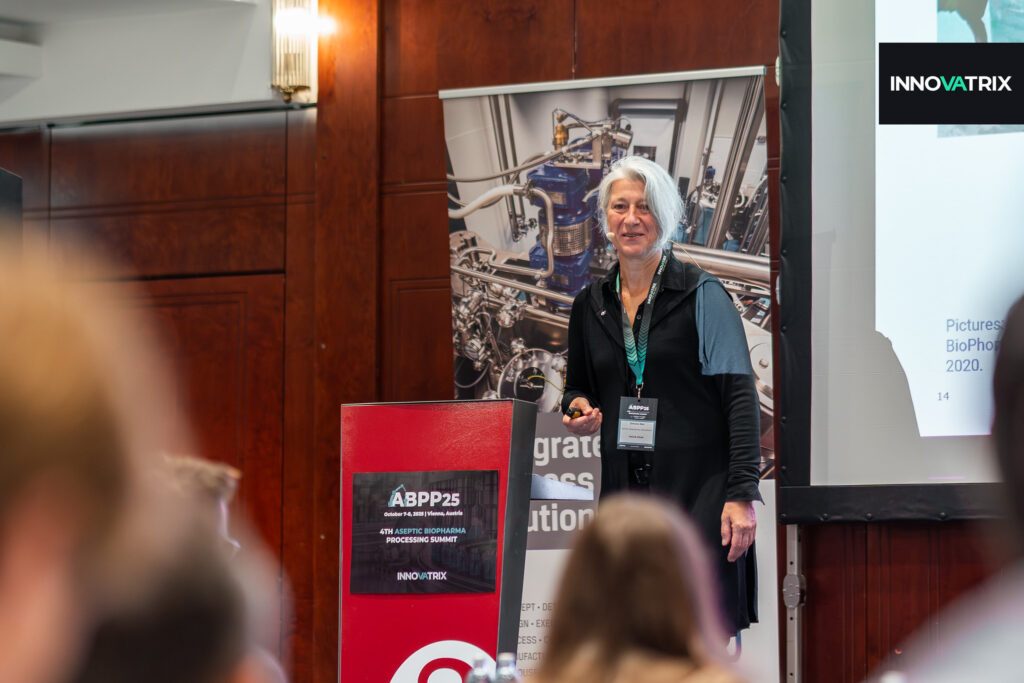
cGMP Expectations and Real-World Challenges in Aseptic Process Simulation
Marta Rodríguez Vélez, Strategic Planning and Operational Excellence Manager at LETI Pharma

Marta’s keynote explored the evolving regulatory and operational expectations surrounding Aseptic Process Simulations (APS), highlighting how Annex 1 has transformed traditional media fill testing into a far more comprehensive, risk-based sterility assurance exercise. She explained that APS programmes must now simulate worst-case production conditions in a realistic and scientifically justified manner while fully integrating with Quality Risk Management (QRM) and Contamination Control Strategies (CCS).
The presentation examined the key elements required for meaningful APS design, including worst-case process parameters, intervention coverage, hold times, environmental challenges, operator involvement, and scientifically justified bracketing and matrixing strategies. Marta stressed that APS should mirror real production activities as closely as possible, including shift changes, routine and non-routine interventions, environmental monitoring, and realistic operational conditions without introducing artificial scenarios.
A major focus was placed on the operational complexity of executing zero-tolerance APS programmes, particularly long-duration simulations covering multiple formats and shifts without disrupting commercial supply. Marta outlined the importance of rigorous documentation, detailed batch-style records, intervention tracking, incubation controls, and predefined abort criteria aligned with actual manufacturing practice.
She also reviewed acceptance criteria, noting that under Annex 1 expectations any contaminated unit represents a failed APS requiring immediate investigation, CAPA implementation, and typically three successful revalidation runs. The keynote concluded with insights into future innovations, including digital twins, AI-driven trend analysis, automated data capture, and virtual reality training tools designed to strengthen APS execution and contamination control strategies across aseptic manufacturing operations.
Redefining Aseptic Transfer: Annex 1’s Influence on Gloveless Solutions
Melissa Gleyen, Product Manager Aseptic Transfer Solutions at Getinge

Melissa’s keynote explored the evolving landscape of aseptic transfer technologies and the growing industry shift towards externally operated and gloveless transfer solutions to strengthen sterility assurance and reduce contamination risks in sterile manufacturing environments. She presented a complete aseptic transfer ecosystem, including compatible beta parts, reusable containers, transfer trolleys, leak testers, closure processing systems, and sterilisation equipment designed to support fully integrated aseptic transfer operations.
The presentation examined the increasing regulatory focus on contamination control under EU GMP Annex 1, particularly the requirement for validated transfer methods capable of preventing contamination when terminal sterilisation during transfer is not feasible. Melissa highlighted how human intervention remains one of the largest contamination risks within aseptic processing, while also affecting operational efficiency, ergonomics, and regulatory compliance.
A major focus of the session was the transition from traditional internal rapid transfer ports to externally operated and gloveless systems. Melissa explained how these technologies reduce operator interaction within critical zones, simplify workflows, and improve sterility assurance while supporting compliance with evolving Annex 1 expectations.
She also discussed first air considerations during component transfer and installation, emphasising the importance of funnel positioning, reproducible docking systems, and controlled sterile glove interventions where manipulation is unavoidable. The keynote concluded with an overview of glove-on-demand technologies, which enable sterile, ready-to-use glove systems to be connected only when required, significantly reducing glove-related contamination risks, leak testing requirements, and unnecessary operator intervention while maintaining operational flexibility.
Best Practices for Microbiological Data Deviation Investigation
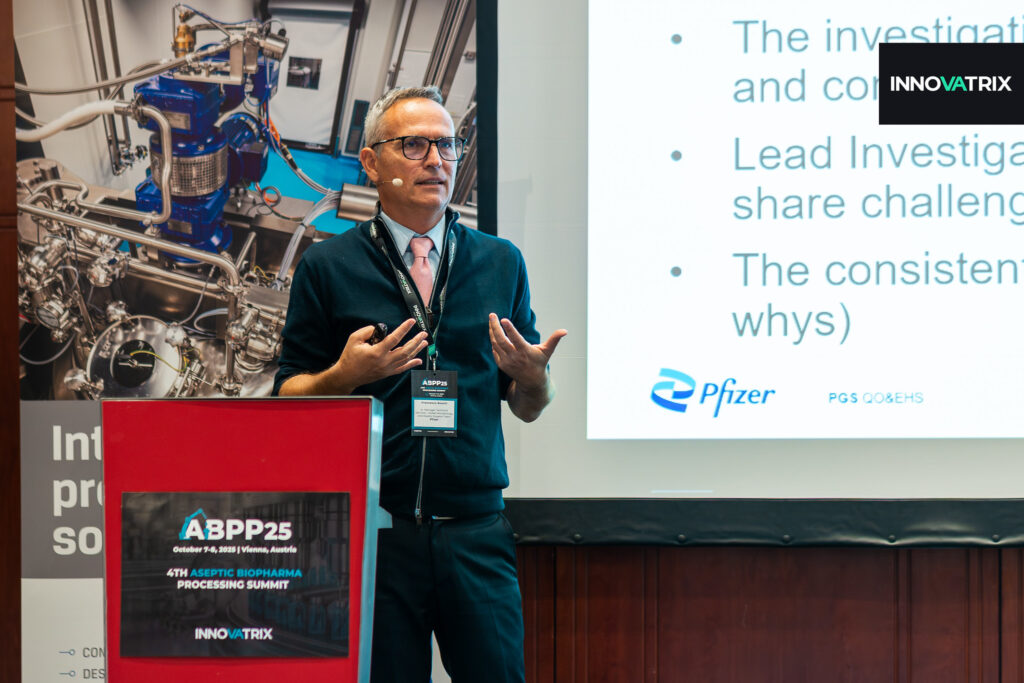
Francesco Boschi, Sr. Manager Technical Services – IMOQ Aseptic Support at Pfizer

Francesco’s keynote focused on the challenges of investigating microbiological data deviations (MDD) within aseptic manufacturing and the importance of developing scientifically sound, unbiased, and effective root cause analyses. He explained that microbial investigations are particularly complex because contamination events are often identified days or even weeks after occurrence, requiring investigators to rely heavily on documentation, environmental monitoring data, and operator interviews rather than direct evidence.
A major focus of the session was the human and procedural aspects of investigations. Francesco highlighted the importance of conducting interviews quickly, using open-ended questioning techniques, and understanding both expected and actual operator behaviours to uncover information not captured in batch documentation. He stressed that investigations should be supported by multidisciplinary teams, detailed SOPs, structured investigative tools such as fishbone diagrams and “5 Whys”, and consistent approaches across similar events.
The keynote also explored how microorganism identification can support root cause determination by linking specific organisms to likely contamination sources, including personnel practices, environmental contamination, or water-related issues. Francesco explained that most investigations ultimately identify a “most probable” root cause through elimination rather than definitive proof.
Additional topics included impact assessment methodologies, risk evaluation based on cleanroom classifications, and the importance of maintaining a state of control during investigations. Concluding the session, Francesco examined the growing role of innovative technologies, including real-time microbiological monitoring, specialised investigation software, and artificial intelligence tools capable of improving consistency, reducing investigation timelines, and supporting more robust and standardised root cause analyses.
How to implement USP665 for Extractables & Leachables
Julia Vincenz, Manufacturing Science & Technology Specialist at VTU Engineering

Julia’s keynote provided an in-depth overview of extractables and leachables (E&L) in pharmaceutical manufacturing, focusing on evolving regulatory expectations and the upcoming changes to USP <665>. She explained the distinction between extractables, which are chemical substances released under stress conditions, and leachables, which are compounds that migrate into the final product, highlighting their critical importance in ensuring product quality, stability, and patient safety.
The presentation reviewed the global regulatory landscape governing E&L assessments, including FDA guidance, USP chapters, PQRI recommendations, EMA initiatives, European Pharmacopoeia requirements, and ISO standards. Julia placed particular emphasis on the revised USP <665>, which introduces a more structured and standardised approach for assessing plastic components and single-use systems used in pharmaceutical manufacturing.
A major focus of the session was the new risk-based assessment process under USP <665>, including the use of comparator components, risk evaluation matrices, and mitigation factors to determine whether systems represent low, moderate, or high risk. She outlined how factors such as contact duration, temperature, process stream composition, and material construction influence extractables risk.
Julia also examined the new standardised extraction procedures, analytical testing requirements, and reporting expectations introduced under the revised guidance, including organic extractables profiling, UV absorbance testing, non-volatile residue analysis, and elemental testing where appropriate. The keynote concluded with a discussion of Analytical Evaluation Thresholds (AETs), explaining how compounds exceeding established safety thresholds require toxicological assessment and may trigger further leachable studies to ensure ongoing patient safety and regulatory compliance.
Validating Inline Sterile Filtration in Biologics: Aligning Science, Risk and Regulatory Expectations
Stephanie Knueppel, Head Manufacturing Science and Technology at ten23 Health

Stephanie’s presentation provided a comprehensive overview of sterile filtration in biologics manufacturing, focusing on regulatory expectations, risk-based validation strategies, and the scientific principles underpinning filter performance, integrity, and compatibility. She outlined how FDA, EMA, Annex 1, USP, and PDA guidance collectively frame sterile filtration as a critical quality control step directly linked to patient safety, requiring robust validation and lifecycle management.
A central theme was the increasing regulatory emphasis on Quality Risk Management (QRM) and Quality by Design (QbD). Stephanie explained how critical process parameters such as pressure differentials, flow rates, temperature, viscosity, and bioburden risk must be linked to critical quality attributes including sterility, particulates, and product potency. She highlighted the importance of defining critical material attributes for filters and applying structured risk tools such as FMEA and bracketing approaches to ensure worst-case conditions are scientifically justified and appropriately tested.
The keynote also examined microbial retention validation using Brevundimonas diminuta challenge studies, alongside the role of integrity testing methods such as bubble point, diffusion, and pressure hold testing. She emphasised that integrity testing serves as a non-destructive surrogate for confirming microbial retention, with established correlations forming the basis of regulatory acceptance.
Additional focus areas included pre-use post-sterilisation integrity testing (PUPSIT), its regulatory rationale under Annex 1, and associated operational challenges in aseptic environments. Stephanie also discussed filter compatibility risks, including adsorption, extractables and leachables, and material degradation under sterilisation or process conditions.
The presentation concluded by outlining emerging trends such as increased automation, inline integrity testing, smart monitoring, digital twins, and deeper supplier–user collaboration to support lifecycle validation and strengthen sterility assurance across increasingly complex biologics manufacturing processes.
Developing Wipe Efficacy Validation for the Pharmaceutical Industry
Matt Cokely, Global Technical Consultant Strategic Director at Ecolab Life Sciences

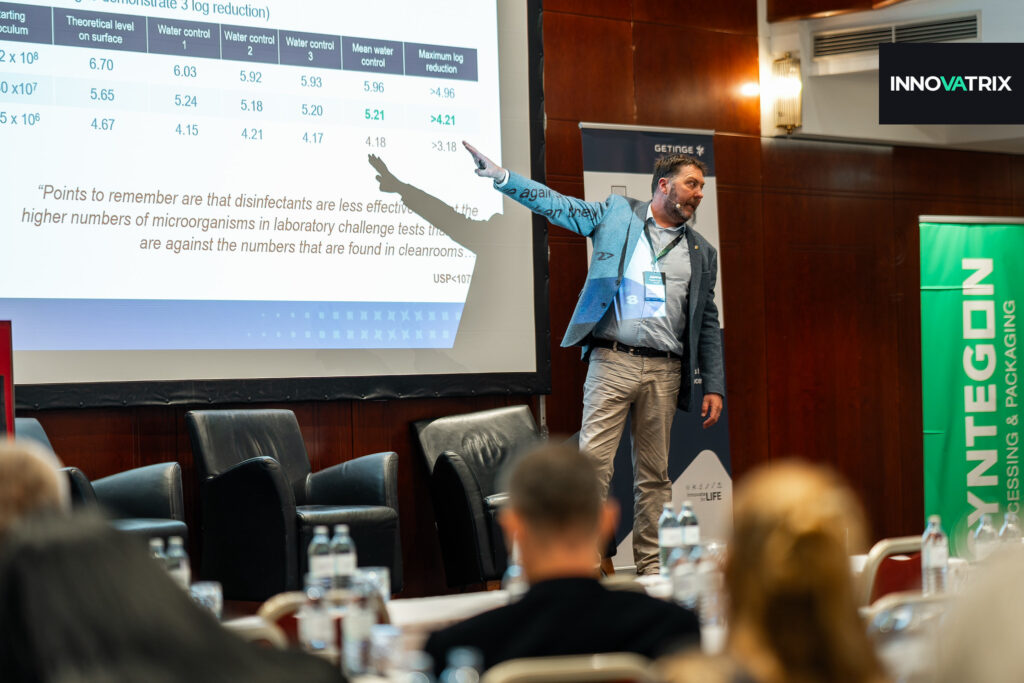
Matt’s keynote addressed disinfectant validation and regulatory expectations in pharmaceutical cleanroom environments, with a particular focus on how standard efficacy methods align—or fail to fully align—with real-world aseptic manufacturing conditions. He reviewed commonly used European and ASTM standards such as EN 13697, EN 1661, ASTM E1153, and ASTM E2362, highlighting their role in establishing baseline disinfectant performance.
A key theme was the limitation of standard laboratory methods when applied to pharmaceutical cleanrooms. Matt explained that many tests rely on high inoculum levels, simplified substrates, fixed contact times, and non-representative conditions, which can reduce their relevance to operational environments. He emphasised the importance of distinguishing between qualitative and quantitative approaches and ensuring that validation studies reflect actual use conditions as closely as possible.
The presentation also explored the influence of wipe and mop materials on disinfectant efficacy. He noted that substrate composition, such as 100% polyester versus blended materials, affects absorbency, biocide release, and overall cleaning performance. This was linked to swab recovery validation, where recovery efficiency and sampling technique significantly influence data reliability.
Matt further discussed the importance of selecting representative test surfaces through bracketing approaches, covering common cleanroom polymers such as PVC, polycarbonate, polypropylene, and silicone. He explained how surface free energy and wettability affect disinfectant performance and must be considered when designing validation studies.
The keynote concluded with considerations for in situ Phase III assessments, emphasising the value of monitoring disinfectant performance under actual cleanroom conditions. He highlighted the need for timely sampling, evaluation of microbial shifts pre- and post-disinfection, and the role of extended monitoring in demonstrating long-term control and seasonal variation in cleanroom flora.
Sponsors
The 4th Aseptic BioPharma Processing Summit was supported by a wide range of sponsors who brought their teams to our exhibition hall, and Innovatrix would like to thank them again for their support.
We were grateful to be supported by ipros, Getinge, GEMÜ, Syntegon, Marchesini Group, Truking, AEKS, elis cleanrooms, ILC Dover, uvmedico, O&M Halyard, WJP Software and Meissner.
If you want to attend our next leading event focused on advancing the standards and practices in sterile pharmaceutical production and have the opportunity to hear presentations like these and many more, join us for our sixth edition of this summit. Explore the latest trends, technologies, and regulatory requirements in aseptic manufacturing, meet with solution providers and hear talks from industry leaders, attend the 6th Aseptic BioPharma Processing Summit taking place in Vienna, Austria on September 22-23, 2026.
For more information, visit our website or email us at info@innovatrix.eu for the event agenda. Visit our LinkedIn to stay up to date on our latest speaker announcements and event news.