Life Sciences Facility Design & Construction Summit USA
Days
Hours
Minutes
Seconds

e
g
i
s
t
e
r
N
o
w
About the event
Revolutionizing Life Sciences Facility Design and Construction
As the pharmaceutical, biotechnology, and healthcare sectors continue to evolve, the demand for advanced, resilient, and sustainable life sciences facilities is growing rapidly. From pharmaceutical manufacturing plants and biotechnology laboratories to aseptic processing environments and healthcare infrastructure, organizations are under increasing pressure to deliver highly efficient facilities that meet strict regulatory, operational, and sustainability requirements.
In response to these industry demands, the Life Sciences Facility Design & Construction Summit USA will explore how modern technologies, innovative engineering strategies, and integrated project delivery models are transforming the future of life sciences facility development.
The summit will also serve as a leading Life Sciences Construction Conference, bringing together experts involved in Life Sciences Facility Design, Life Sciences Facility Construction, and Biopharma Facility Construction projects across North America. Discussions will focus on facility scalability, regulatory compliance, operational efficiency, and innovative engineering solutions that support the successful delivery of advanced pharmaceutical and biotechnology facilities. Attendees will gain valuable insights into emerging trends shaping the future of life sciences infrastructure development.
Sustainable Solutions for Life Sciences Facility Construction and Biopharma Facility Construction
The summit will focus on how the industry is advancing the design, construction, and operation of pharmaceutical and biotech facilities through sustainable and future-ready solutions. As companies face growing pressure to reduce environmental impact while maintaining operational excellence, topics such as energy-efficient HVAC systems, Pharma Modular Construction, cleanroom optimization, digital twins, and smart facility management are becoming increasingly important.
This Life Sciences Construction Conference will highlight best practices for building and retrofitting facilities that support scalability, regulatory compliance, operational flexibility, and long-term sustainability.
Innovations in Life Sciences Facility Design, Pharma Cleanrooms and Engineering
Key discussions at the Life Sciences Facility Design & Construction Summit USA will include innovations in pharmaceutical and biotech facility engineering, aseptic processing environments, advanced Pharma Cleanrooms technologies, and digital transformation across project delivery and operations.
The event will also explore how technologies such as AI, automation, BIM, prefabrication, and data-driven facility management are improving efficiency, accelerating project timelines, and enhancing operational performance across life sciences environments.
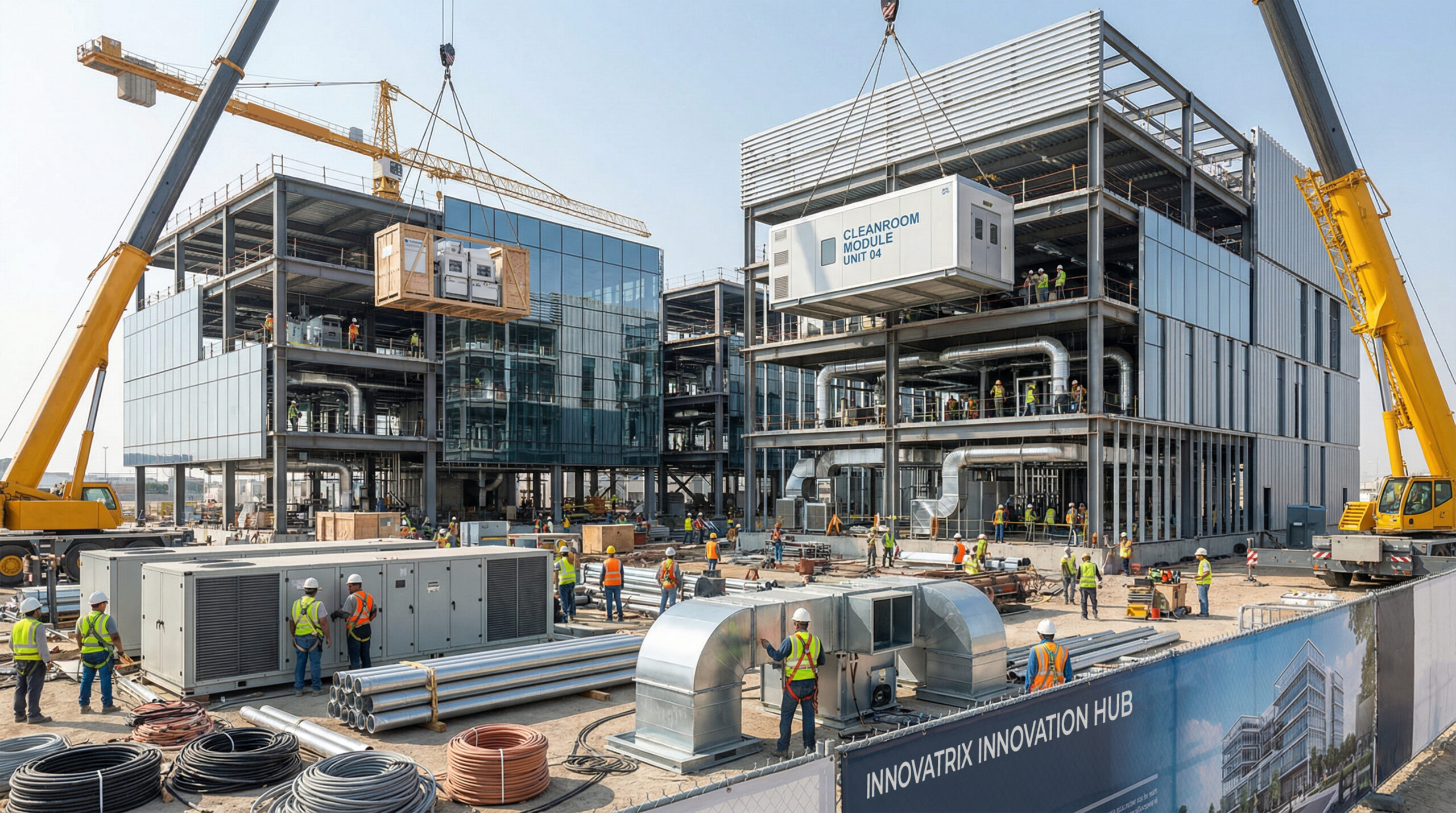
A major area of focus will be the advancement of Pharma Cleanrooms, Pharma Modular Construction, and next-generation facility delivery strategies designed to accelerate project timelines while maintaining strict regulatory standards. As demand for specialized manufacturing capacity continues to grow, sessions will explore best practices in Biopharma Facility Construction, modular project execution, and sustainable engineering approaches that support long-term operational excellence in pharmaceutical and biotechnology environments.
By integrating advanced technologies and collaborative design approaches, industry leaders are creating facilities that are more adaptable, resilient, and capable of supporting the next generation of pharmaceutical and healthcare innovation.
Collaboration and Networking at the Life Sciences Construction Conference
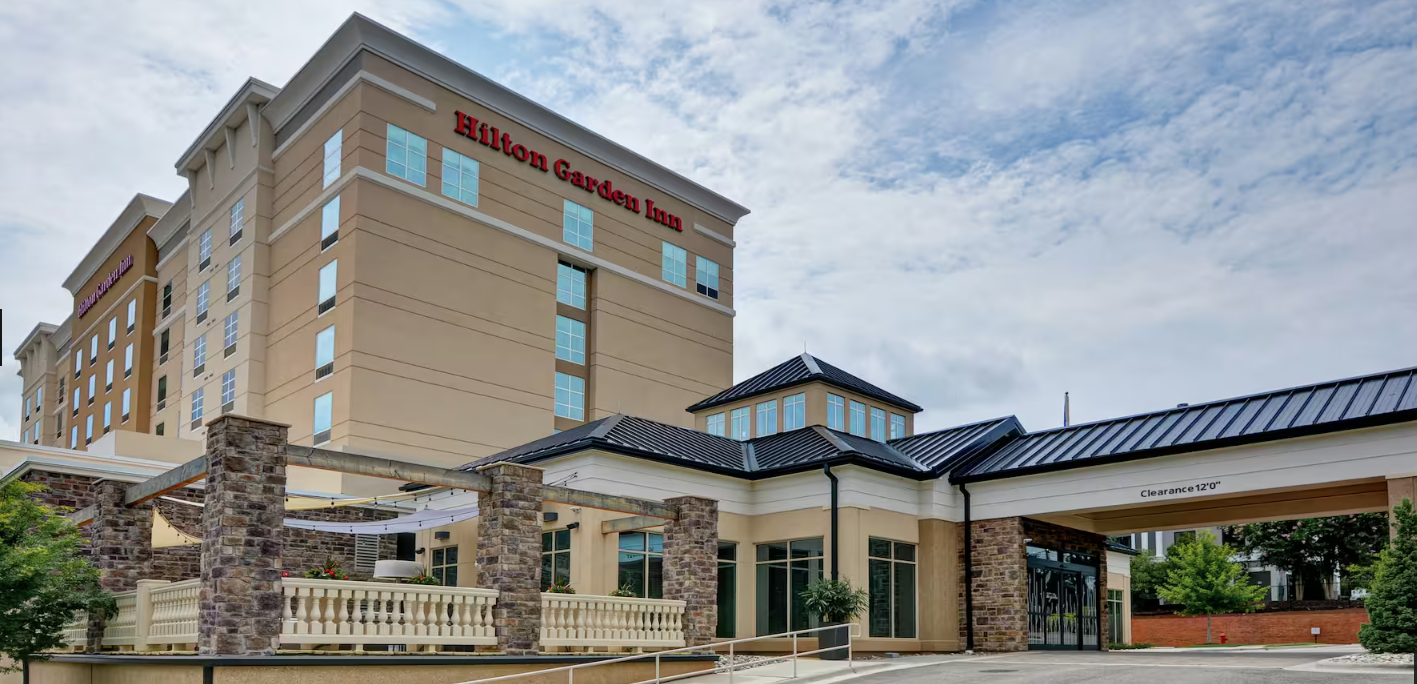
Join us in Raleigh, North Carolina - one of the leading hubs for pharmaceutical, biotechnology, and healthcare innovation to connect with professionals from across the life sciences ecosystem.
The event will bring together key stakeholders from pharmaceutical manufacturing, biotechnology, healthcare systems, design and engineering firms, construction companies, facility operations, cleanroom specialists, and technology providers to discuss the future of life sciences facility development.
This is a unique opportunity to collaborate with industry experts, exchange insights, and explore the latest strategies driving innovation in life sciences facility design and construction.
Don’t Miss the Life Sciences Infrastructure Summit USA
As the life sciences industry continues to expand, the need for sustainable, compliant, and technologically advanced facilities has never been greater. Attend the Life Sciences Facility Design & Construction Summit USA to stay ahead of industry trends, discover innovative solutions, and network with leaders shaping the future of pharmaceutical, biotech, and healthcare infrastructure.
This Life Sciences Infrastructure Summit will empower you to play a key role in advancing the next generation of high-performance, future-ready facilities.
Be part of the conversation shaping the future of life sciences facility design and construction in Raleigh this November 2026.
Conference learning points
- Integrating smart facility technologies in life sciences environments
- ESG’s impact on Life Sciences Facility Design and pharmaceutical and biotech facility engineering
- Designing resilient and compliant life sciences facilities
- Modular construction for faster pharmaceutical facility delivery
- Cleanroom design and contamination control strategies
- Sustainable HVAC and energy-efficient facility operations
- Innovations in aseptic processing environments
- Advances in pharmaceutical manufacturing technologies
- Digital twins and BIM in life sciences construction
- AI in project management and facility operations
- Automation and robotics in pharmaceutical facilities
- Future-proofing biotech and healthcare infrastructure
Speakers



Sponsors
Gold Sponsor
Gold Sponsor

Gold Sponsor
Silver Sponsor

Silver Sponsor
Silver Sponsor
Bronze Sponsor
Bronze Sponsor
Bronze Sponsor
Bronze Sponsor
Bronze Sponsor
Bronze Sponsor
Bronze Sponsor

Bronze Sponsor
Bronze Sponsor
Bronze Sponsor

Bronze Sponsor
We offer a number of sponsorship options designed to meet your strategic goals. If you are interested in seeing our detailed sponsorship packages, please reach out to us by clicking the link below.
Become a SponsorPrevious attendees
Gallery


Registration packages
Hear from
our satisfied clients
Explore our client testimonials and find out why industry-leading organisations and changemakers choose Innovatrix.

Jason Knapp
Managing Director
Capitol Energy Advocacy, LLC
”I would say this conference is collaborative, makes networking easy and informative, having folks from very different components within the battery gigafactory supply chain all in one location.”

Eric White
Technology Manager
US Department of Energy
”I thought the panel discussions were a great opportunity for people to talk more casually about the work they’re doing and their perspectives and the sessions were moderated with expertise.”

Anders Hedqvist
Head of Strategic Projects
Epiroc
”Good composition of speakers with good content and fantastic interaction.”

Christopher Nason
Global Head of Business Intelligence
Deutsche Bank
”I found that the speakers covered a wide range of issues cogently and very well. I'm sure I will be attending next year.”

Diana-Alina Pasca
Manager of Card Operations Projects
Banca Transilvania
”I think the Innovatrix team is great, very responsible and organised, they have done a great job with this event.”

Jeroen Soepnel
Head of Marketing CSB
Webasto
”It was great to see so many different presentations from all areas of off-highway electrification. We will be here next year!”

Brent Hinson
CFO
PowerCo Canada
”Networking is probably one of the best parts, especially here. We’re in the process of building a big gigafactory, so getting to meet vendors and people who have already been through it before has been a great experience.”

Cody Allen
Assistant Professor
University of Illinois Urbana-Champaign
”I thought it was a really well-run conference, the organisation made sense, and there was a good set up of speakers. The demos at the booths were pretty high quality, and I really enjoyed that whole aspect.”

Cody Parvin
Director of Customer Solutions
Independent Rough Terrain Centre
”I thought this organisation was very professional, the staff have been amazing, the setting is awesome, and there are a lot of good industry leaders here who have a lot of good intel.”

Dr. Katharina Gerber
Engagement Lead for Battery Industry
Siemens
”It’s different from other conferences that I have attended, as there’s less focus on marketing and more talking about the real-life problems that the industry is trying to solve.”

Chris Kolbe
VP of Sales & Marketing
HYDAC Technology Corporation
”I really enjoyed the presentations today, the topics were concise enough that you got an idea of what was going on and the quality and variety of speakers, which included technology experts, OEMs and components suppliers, gave you the full value chain for autonomy and opportunity for a good discussion.”
Stephen M. Speakes
President and CEO
Independent Rough Terrain Centre
”I had lunch today with two people I never would have met in the course of my normal life, so I thought the networking opportunities here were really extraordinary. I definitely recommend this opportunity to anybody who’s interested in new technology for heavy equipment.”

John Westman
Engineering Manager
Pettibone/Traverse Lift, LLC
”The organisation has been great, better than most conferences I've been to, very honestly. The people who are here are extremely knowledgeable and very dedicated to this system which is impressive.”

Nick Tindall
Senior Director, Regulatory Affairs and Ag Policy
Association of Equipment Manufacturers (AEM)
”A lot of our very large OEM members are here that have tens of thousands of employees, and this event gives me the opportunity to engage with many of them, which is something I normally wouldn’t have the chance to do.”

Dr. Ray Gallant
Vice President of Sustainability and Productivity Services
Volvo CE
”I certainly would consider joining again in future sessions and future conferences of this type. I think the content is very relevant, very interesting and timely because we are heading into an age of expansion in these topics.”

Matthew Mendoza
Sr. Program Manager
Lyten
”The conference has been amazing so far, it has been a great experience. I got to learn about a lot of different atmospheres and aspects of gigafactory building, everything from fire protection to processing.”

Human K Alwan
Technical Program Manager Software X Quality Management
Stellantis
”What I really like about this conference is the diversity of different suppliers and manufacturers that are here, I’m learning so much from a wide variety of people by being able to see their perspectives and their challenges.”

Suresh Sankaran
Head of Model Risk & Governance
Metro Bank PLC UK
“The networking is very effective, courteous, professional and has a can-do attitude. It would be a pleasure and a privilege to participate in next year's conference.”

Christine Wunderli
Executive Director – Product Owner Digital Onboarding
Bank Vontobel AG
"The presentations were really interesting, delivered by very engaging presenters, and I really enjoyed it, I learned a lot."
Kseniia Kutyreva
Head of Risk and Compliance
Finom
“I really liked the variety of speakers and it is nice to see so many providers present who are interested. The atmosphere is really nice and friendly, and everyone is interested in getting to know your company.”
Media partners


Frequently Asked Questions
Bringing together digital monitoring, automation, and modular construction to create pharma facilities that are more efficient, resilient, and scalable. Real-time data and standardized modular systems improve quality control, speed, and day-to-day consistency. These approaches also support future growth and evolving compliance needs.
How can Integrated Project Delivery improve collaboration, reduce waste, and create better alignment among owners, contractors, and designers? Shared accountability and early coordination can accelerate delivery while minimizing change orders. It offers a strong real-world example of how integrated planning drives exceptional project outcomes.
How to design and build facilities that can adapt quickly to changing products, processes, or capacity needs? Flexibility in layout, utilities, and equipment planning helps changes happen with less downtime. This approach protects continuity while supporting future growth.
Slow approvals and unclear responsibility can put construction schedules at risk. Shorter decision cycles, clearer ownership, and faster issue resolution help keep projects moving. These practices improve speed without sacrificing control or quality.
The most common risks that can delay or disrupt pharma construction projects include design changes, regulatory gaps, supply chain issues, and coordination failures. Early risk identification and strong project controls help reduce cost overruns and schedule slippage. Practical strategies can keep execution aligned with quality and compliance requirements.
Preparing the right team, skills, and processes before a facility becomes operational is crucial. Training, role clarity, and readiness planning help ensure a smooth transition from construction to production. Workforce strategy also plays a major role in startup speed, safety, and long-term performance.
Success depends on coordination between engineering, quality, operations, validation, procurement, and construction teams. Shared goals, clear communication, and early involvement across disciplines improve project outcomes. Strong collaboration helps avoid rework, delays, and compliance problems.
The critical role water plays in pharma operations, from process use to cleaning and utilities. The topic covers compliance, quality risks, treatment systems, and responsible water infrastructure management. It also addresses sustainability and resilience in water planning and management.