7th Aseptic BioPharma Processing Summit
Days
Hours
Minutes
Seconds

e
g
i
s
t
e
r
N
o
w
About the event
Advancing Aseptic BioPharma Processing in Europe
The biopharmaceutical industry is at the core of modern healthcare, and aseptic processing is critical to delivering safe, sterile biologics, vaccines, cell and gene therapies, and injectable drugs. With demand for sterile injectables skyrocketing, Europe is stepping up its game, pushing for stronger aseptic manufacturing capabilities to boost product quality, patient safety, and supply resilience.
Evolving regulations, including the revised EU GMP Annex 1, and major pharma and CDMO investments are accelerating aseptic capacity expansions, but scaling production brings key challenges — from contamination risk and sterility assurance to ensuring compliant, efficient, and resilient Aseptic Processing and Aseptic Manufacturing operations.
As Europe continues investing heavily in biopharma manufacturing capacity, the summit will also address the growing demand for advanced Contamination Control Strategy (CCS) approaches and scalable Aseptic Fill-Finish methodologies. This Aseptic Processing event will explore how industry leaders are delivering high-quality sterile products through isolators, RABS, automation, single-use technologies, and next-generation cleanroom infrastructure. Attendees of this Aseptic BioPharma Conference will gain insights into sterility assurance, regulatory compliance, and innovations shaping the future of aseptic manufacturing in Europe.
Sterility Assurance Solutions at the Aseptic BioPharma Processing Summit
The 7th Aseptic BioPharma Processing Summit, a leading Aseptic Processing Conference and Aseptic Manufacturing event, will explore how modern technologies and strategies are transforming sterile biopharmaceutical production.
As the industry faces increasing pressure to ensure sterility while improving efficiency and speed, topics such as Annex 1 compliance, contamination control, and automation will be at the forefront. This Aseptic Processing Conference will highlight best practices in delivering sterile biologics while optimizing quality, throughput, and regulatory readiness.
Contamination Control and Fill-Finish Conference Innovations
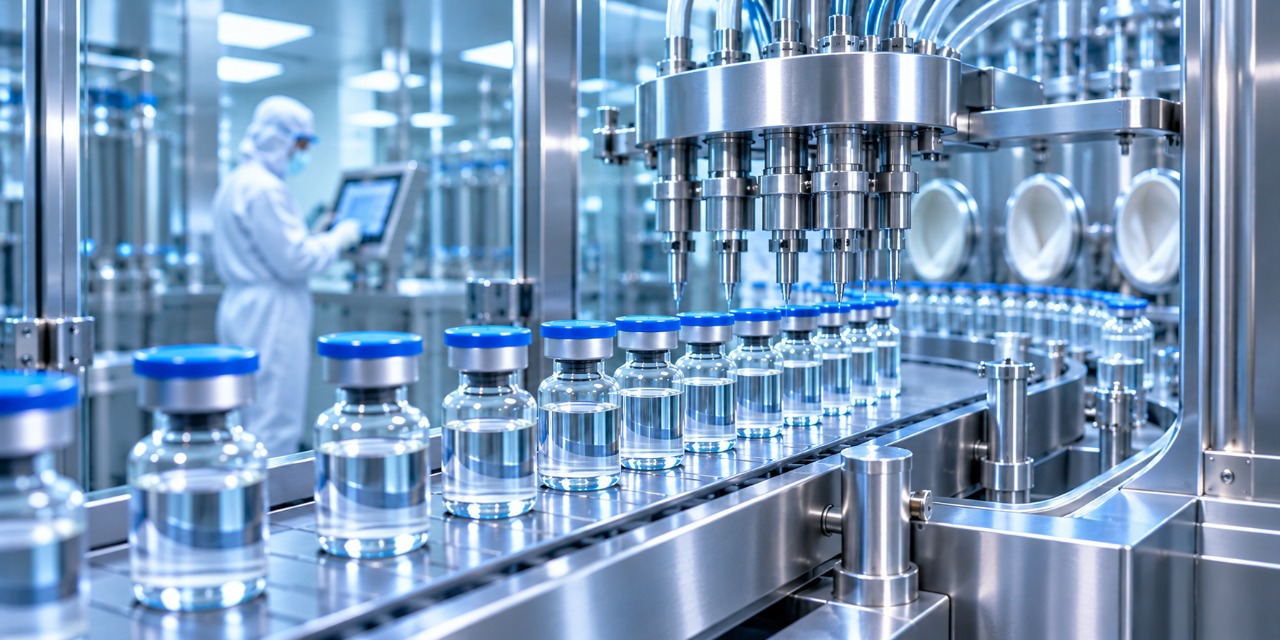
Key topics at the aseptic processing event will include innovations in Contamination Control Strategy, isolator and RABS technology, aseptic fill-finish, and advanced visual inspection.
A strong focus will also be placed on cleanroom design and environmental monitoring for Aseptic Manufacturing Conference environments, where precision, sterility, and process control are critical to ensuring patient safety and product quality. By integrating cutting-edge technologies into facility design and operations, the industry is enabling smarter, more resilient sterile manufacturing.
A major focus of the event will be the advancement of aseptic processing technologies and automated, closed-system manufacturing. As a leading Aseptic BioPharma Conference and Processing Summit, the event will highlight innovative approaches to rapid sterilization, automated visual inspection, workforce training, and optimized Aseptic Fill-Finish operations. Sessions will also examine how modern aseptic practices are improving compliance, scalability, and long-term manufacturing reliability.
Collaboration at the Aseptic Processing Event and BioPharma Conference
The 7th Aseptic BioPharma Processing Summit will bring together stakeholders from pharma, biotech, CDMOs, engineering, quality, and regulatory affairs to discuss the future of aseptic processing, contamination control, and sterile manufacturing. This aseptic processing event is a unique opportunity to collaborate, exchange insights, and explore solutions to the industry's most pressing challenges.
Don't Miss the 7th Aseptic BioPharma Processing Summit
As Europe accelerates its biopharma manufacturing ambitions, collaboration and innovation are more important than ever. Attend our Aseptic Processing and Contamination Control conference, a key aseptic manufacturing event, to stay ahead of industry trends, discover new technologies, and connect with experts shaping the future of sterile manufacturing.
This Aseptic BioPharma Conference will empower you to play a key role in advancing aseptic processing excellence and building the next generation of sterile biopharmaceutical manufacturing.
Be part of the conversation shaping the future of aseptic biopharma processing in Vienna, Austria this September 2027.
Conference learning points
- Understand how to build and maintain a robust Contamination Control Strategy (CCS) in line with EU GMP Annex 1
- Learn the latest approaches to isolator and RABS technology for aseptic processing
- Explore best practices in aseptic fill-finish optimization and process efficiency
- Compare manual and automated visual inspection and choose the right approach for your risk profile
- Discover novel technologies for rapid sterilization and decontamination
- Gain insights into cleanroom design and environmental monitoring strategies
- Examine how to empower the aseptic workforce through effective training and qualification
- Review quality assurance practices that strengthen audit and inspection readiness
- Assess the role of automation, single-use systems, and closed processing in reducing contamination risk
- Connect with pharma, biotech, CDMO, quality, and engineering peers shaping aseptic manufacturing
Sponsors

Gold Sponsor
We offer a number of sponsorship options designed to meet your strategic goals. If you are interested in seeing our detailed sponsorship packages, please reach out to us by clicking the link below.
Become a SponsorPrevious attendees
Gallery


Registration packages
Hear from
our satisfied clients
Explore our client testimonials and find out why industry-leading organisations and changemakers choose Innovatrix.

Jason Knapp
Managing Director
Capitol Energy Advocacy, LLC
”I would say this conference is collaborative, makes networking easy and informative, having folks from very different components within the battery gigafactory supply chain all in one location.”

Eric White
Technology Manager
US Department of Energy
”I thought the panel discussions were a great opportunity for people to talk more casually about the work they’re doing and their perspectives and the sessions were moderated with expertise.”

Anders Hedqvist
Head of Strategic Projects
Epiroc
”Good composition of speakers with good content and fantastic interaction.”

Christopher Nason
Global Head of Business Intelligence
Deutsche Bank
”I found that the speakers covered a wide range of issues cogently and very well. I'm sure I will be attending next year.”

Diana-Alina Pasca
Manager of Card Operations Projects
Banca Transilvania
”I think the Innovatrix team is great, very responsible and organised, they have done a great job with this event.”

Jeroen Soepnel
Head of Marketing CSB
Webasto
”It was great to see so many different presentations from all areas of off-highway electrification. We will be here next year!”

Brent Hinson
CFO
PowerCo Canada
”Networking is probably one of the best parts, especially here. We’re in the process of building a big gigafactory, so getting to meet vendors and people who have already been through it before has been a great experience.”

Cody Allen
Assistant Professor
University of Illinois Urbana-Champaign
”I thought it was a really well-run conference, the organisation made sense, and there was a good set up of speakers. The demos at the booths were pretty high quality, and I really enjoyed that whole aspect.”

Cody Parvin
Director of Customer Solutions
Independent Rough Terrain Centre
”I thought this organisation was very professional, the staff have been amazing, the setting is awesome, and there are a lot of good industry leaders here who have a lot of good intel.”

Dr. Katharina Gerber
Engagement Lead for Battery Industry
Siemens
”It’s different from other conferences that I have attended, as there’s less focus on marketing and more talking about the real-life problems that the industry is trying to solve.”

Chris Kolbe
VP of Sales & Marketing
HYDAC Technology Corporation
”I really enjoyed the presentations today, the topics were concise enough that you got an idea of what was going on and the quality and variety of speakers, which included technology experts, OEMs and components suppliers, gave you the full value chain for autonomy and opportunity for a good discussion.”
Stephen M. Speakes
President and CEO
Independent Rough Terrain Centre
”I had lunch today with two people I never would have met in the course of my normal life, so I thought the networking opportunities here were really extraordinary. I definitely recommend this opportunity to anybody who’s interested in new technology for heavy equipment.”

John Westman
Engineering Manager
Pettibone/Traverse Lift, LLC
”The organisation has been great, better than most conferences I've been to, very honestly. The people who are here are extremely knowledgeable and very dedicated to this system which is impressive.”

Nick Tindall
Senior Director, Regulatory Affairs and Ag Policy
Association of Equipment Manufacturers (AEM)
”A lot of our very large OEM members are here that have tens of thousands of employees, and this event gives me the opportunity to engage with many of them, which is something I normally wouldn’t have the chance to do.”

Dr. Ray Gallant
Vice President of Sustainability and Productivity Services
Volvo CE
”I certainly would consider joining again in future sessions and future conferences of this type. I think the content is very relevant, very interesting and timely because we are heading into an age of expansion in these topics.”

Matthew Mendoza
Sr. Program Manager
Lyten
”The conference has been amazing so far, it has been a great experience. I got to learn about a lot of different atmospheres and aspects of gigafactory building, everything from fire protection to processing.”

Human K Alwan
Technical Program Manager Software X Quality Management
Stellantis
”What I really like about this conference is the diversity of different suppliers and manufacturers that are here, I’m learning so much from a wide variety of people by being able to see their perspectives and their challenges.”

Suresh Sankaran
Head of Model Risk & Governance
Metro Bank PLC UK
“The networking is very effective, courteous, professional and has a can-do attitude. It would be a pleasure and a privilege to participate in next year's conference.”

Christine Wunderli
Executive Director – Product Owner Digital Onboarding
Bank Vontobel AG
"The presentations were really interesting, delivered by very engaging presenters, and I really enjoyed it, I learned a lot."
Kseniia Kutyreva
Head of Risk and Compliance
Finom
“I really liked the variety of speakers and it is nice to see so many providers present who are interested. The atmosphere is really nice and friendly, and everyone is interested in getting to know your company.”
Media partners


Our top 5 attractions

Schönbrunn Palace
Schönbrunn Palace is a stunning baroque masterpiece and former imperial residence of the Habsburgs. With opulent rooms, beautiful gardens, and a historic zoo, it’s a must-see for those interested in Austria’s royal heritage.

Kunsthistorisches Museum Vienna
The Kunsthistorisches is a world-renowned art museum showcasing masterpieces by Raphael, Rembrandt, and Klimt. Housed in a stunning palace, it is the largest art museum in the country and one of the most important museums worldwide.

St. Stephen's Cathedral
St. Stephen’s is a striking Gothic landmark with stunning architecture, intricate mosaics, and panoramic city views. It stands as a symbol of Vienna’s spiritual heritage, with its multi-coloured tile roof it’s one of the city's most recognisable symbols.

Österreichische Galerie Belvedere
With beautiful gardens and historic palaces, the Belvedere Museum contains one of the greatest collections of Austrian art dating from the Middle Ages to the present day, complemented by the works of international artists.

Mozarthaus Vienna
The only surviving residence of composer Wolfgang Amadeus Mozart, now a museum, it offers insight into his life, work, and the era’s musical culture. It explores Vienna’s rich artistic history with 4 floors of exhibits and a concert hall.
Our top 5 restaurants
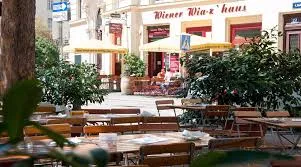
Wiener Wiaz Haus
Viennese-style cuisine & beer served in a down-home locale with vintage styling & outdoor seating.
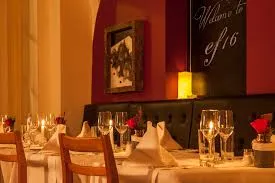
ef16 Restaurant
Restaurant & wine bar with a large courtyard garden & daily changing menus using market produce.
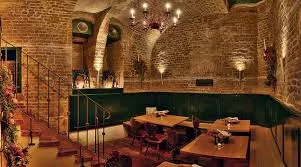
Figlmüller
Dining rooms with wood paneling, exposed bricks & wrought iron, serving classic Viennese cuisine.
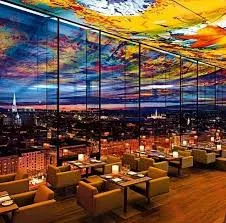
Das Loft
Contemporary setting for innovative haute cuisine, with city views through floor-to-ceiling windows.
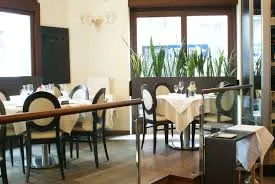
Restaurant Al Borgo
Smart contemporary dining room with a daily changing menu of seasonal specialities from around Italy.
Frequently Asked Questions
A Contamination Control Strategy defines and monitors the key parameters that prevent contamination during sterile manufacturing. It identifies critical process steps, control points, and supporting systems that ensure product sterility. A robust CCS is essential for compliance and for reducing the risk of microbial ingress in aseptic filling operations.
Isolators and restricted access barrier systems (RABS) separate operators from the product to reduce contamination risk. Isolators offer a higher level of separation, while RABS can provide flexibility in certain operations. The right choice depends on product risk, throughput, and regulatory expectations for sterility assurance.
Effective cleanroom design controls airflow, pressure differentials, and personnel and material flow to protect sterile products. Environmental monitoring verifies that these controls work in practice. Together, they provide the data needed to demonstrate a state of control and support continuous improvement.
New sterilization and decontamination technologies aim to shorten cycle times while maintaining sterility assurance. They can improve equipment turnaround and support flexible, high-throughput production. Evaluating these technologies requires attention to validation, material compatibility, and regulatory acceptance.
Strong quality assurance practices keep aseptic facilities ready for regulatory audits and inspections. This includes robust documentation, deviation management, and data integrity controls. Proactive preparation reduces findings and supports reliable, compliant sterile manufacturing.
The revised Annex 1 sets updated expectations for the manufacture of sterile medicinal products, with a strong emphasis on a holistic contamination control approach. It affects facility design, cleanroom operations, monitoring, and quality systems. Understanding its requirements helps manufacturers prepare for inspections and maintain compliance.
Manual visual inspection relies on trained inspectors to detect particulates, defects, and container-closure issues, but is subject to fatigue and variability. Automated systems use cameras, image processing, and AI to achieve higher consistency and sensitivity. The choice depends on risk, volume, and regulatory expectations for sterility assurance.
Fill-finish optimization focuses on improving throughput, yield, and sterility assurance in the final stages of sterile manufacturing. Automation, closed systems, and better process design reduce interventions and contamination risk. Optimized operations also help meet growing demand for biologics and injectables.
Operators are a key source of contamination risk, so training and qualification are central to aseptic manufacturing. Effective programs build aseptic technique, gowning discipline, and a quality-focused culture. Ongoing training, supported by simulation and media fills, helps sustain compliance and confidence.
The summit, taking place on September 22-23, 2027, in Vienna, Austria, brings together pharma, biotech, CDMO, quality, and engineering professionals. Attendees gain practical insights into contamination control, Annex 1, and fill-finish, and can network with peers and solution providers shaping aseptic manufacturing.