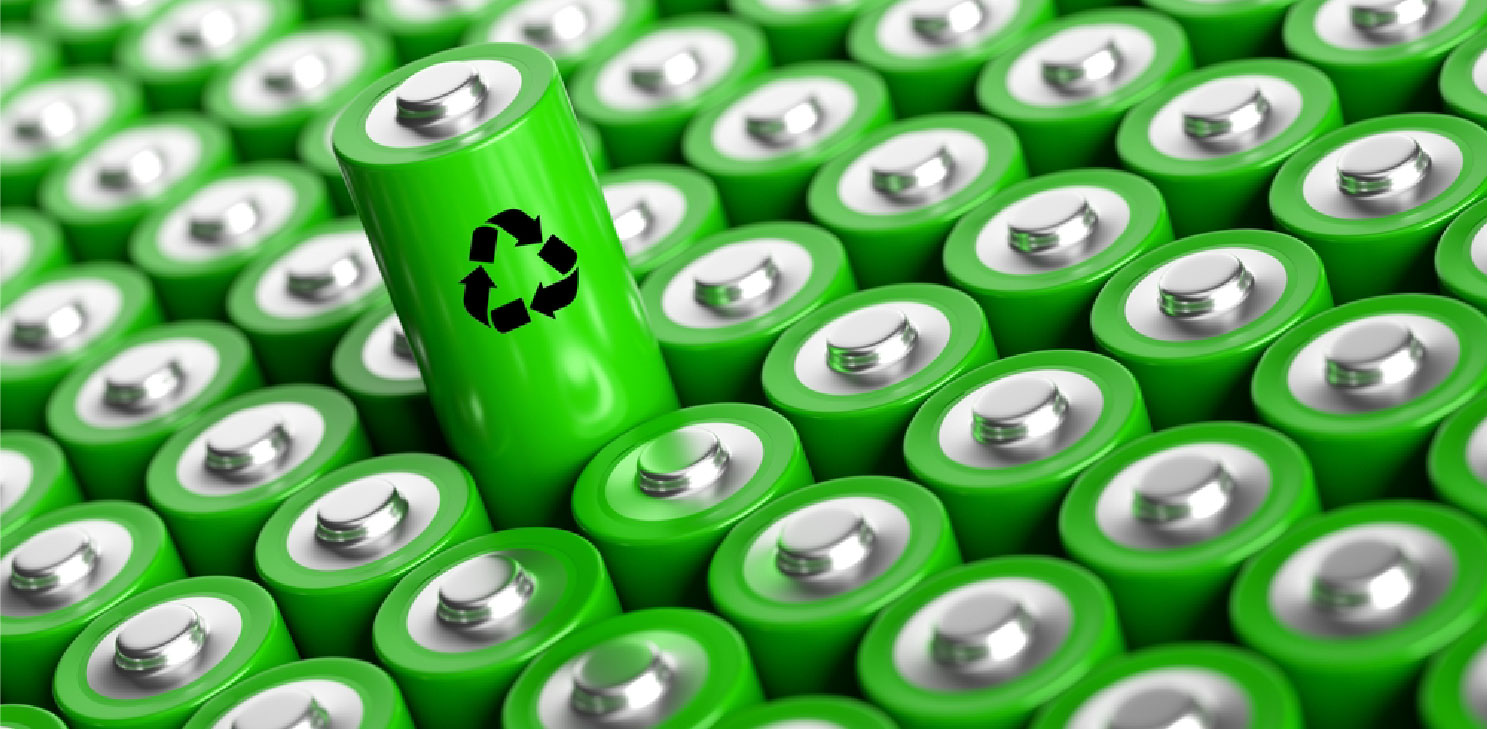
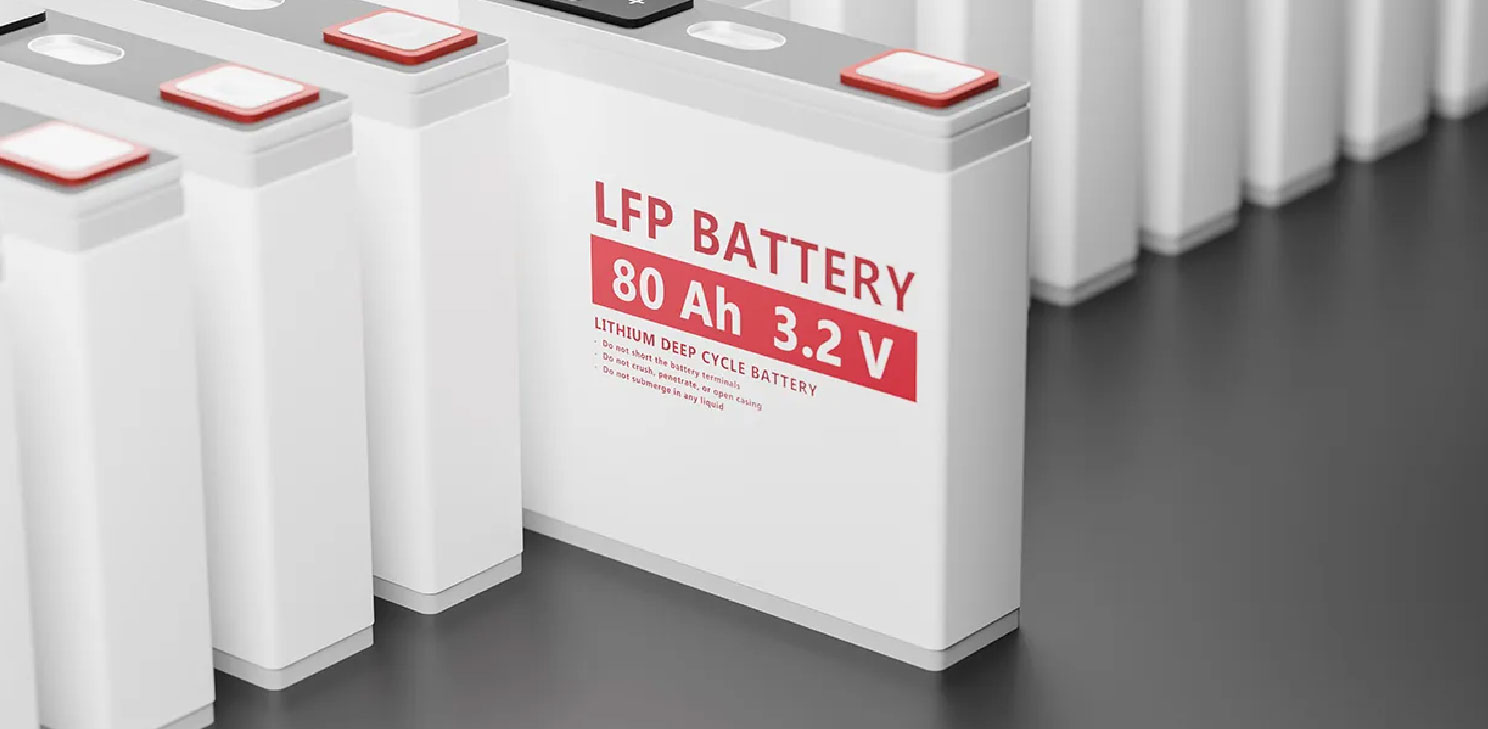
The rapid expansion of electric vehicles, renewable energy storage, and portable electronics has made **lithium-ion battery recycling** an increasingly critical area of research and innovation. As demand for batteries continues to rise, so does the urgency to manage their end-of-life disposal in a sustainable and efficient manner. Recent advancements highlighted in current research demonstrate that lithium-ion battery recycling is evolving into a sophisticated, technology-driven process that supports both environmental protection and resource conservation.
One of the most notable advancements in lithium-ion battery recycling is the development of more efficient and integrated recycling frameworks. Traditional recycling methods have often been fragmented, involving multiple stages with limited coordination. However, newer approaches emphasise systematic and streamlined processes that improve overall recovery efficiency. These frameworks aim to optimise each stage of recycling, from collection and sorting to material recovery, ensuring that valuable components are not lost during processing.
A key area of progress is the enhancement of pre-treatment techniques. Before valuable materials can be recovered, batteries must be safely discharged, dismantled, and separated. Advances in these early-stage processes have significantly improved safety and efficiency. Improved discharging methods reduce the risk of fire and chemical hazards, while more precise dismantling techniques allow for better separation of battery components. This leads to higher-quality outputs and more effective downstream recovery.
Another important development in lithium-ion battery recycling is the improvement of material recovery technologies. Modern methods are increasingly capable of extracting critical elements such as lithium, cobalt, and nickel with higher purity and yield. These improvements are essential because such materials are not only valuable but also limited in supply. By recovering them more efficiently, recycling reduces the need for new mining activities, which are often environmentally damaging and resource-intensive.
In addition, there has been significant progress in reducing the environmental footprint of recycling processes. Newer techniques are designed to minimise energy consumption, emissions, and waste generation. This shift towards more sustainable practices aligns with broader environmental goals and strengthens the role of lithium-ion battery recycling in supporting a circular economy. By reintroducing recovered materials back into the production cycle, these advancements help close the loop and reduce overall environmental impact.
Technological innovation is also playing a central role in advancing lithium-ion battery recycling. The integration of automation and intelligent systems has improved the precision and consistency of recycling operations. These technologies enable better identification and classification of battery materials, allowing for more targeted and efficient processing. As a result, recycling facilities can operate more effectively while maintaining high safety and environmental standards.
Furthermore, recent research highlights the importance of designing batteries with recycling in mind. Improved battery design can greatly enhance recyclability by simplifying disassembly and reducing the complexity of material separation. This concept, often referred to as “design for recycling,” represents a forward-thinking approach that connects product development with end-of-life management. It ensures that future batteries are not only high-performing but also easier to recycle.
Despite these advancements, challenges remain in scaling up lithium-ion battery recycling systems to meet growing global demand. Issues such as economic feasibility, infrastructure development, and variations in battery chemistry continue to pose obstacles. However, ongoing research and innovation are actively addressing these barriers, paving the way for more widespread adoption of advanced recycling technologies.
In conclusion, advancements in lithium-ion battery recycling are transforming the way end-of-life batteries are managed. Through improved processing techniques, enhanced material recovery, and the integration of innovative technologies, the field is moving towards more efficient and sustainable solutions. As the global reliance on lithium-ion batteries continues to grow, these advancements will play a vital role in ensuring a more sustainable and resource-efficient future.
For the opportunity to have in-depth discussions about this and other challenges facing gigafactories, as well as meeting with exhibitors providing circular economy solutions, attend the 6th BATTERY GIGAFACTORY Summit Europe: Advances in Planning, Engineering and Operations, taking place on May 27-28, 2026, in Berlin, Germany.
For more information, visit our website or email us at info@innovatrix.eu for the event agenda. Visit our LinkedIn to stay up to date on our latest speaker announcements and event news.