Demand for battery storage is rising on the back of massive investment in solar and wind power, wider electrification efforts and a need to strengthen grid reliability. Global battery storage installations jumped by 43% in 2025 and are forecast to grow at an average annual rate of 10.8% between 2024 and 2034, according to Wood Mackenzie.
Developers have looked to capitalise on falling battery manufacturing costs, driven by economies of scale and technological innovations. China dominates battery manufacturing and global average costs have fallen by 90% since 2010, according to the International Energy Agency (IEA). Average global battery project costs were $125/kWh in December 2025, including $75/kWh for core equipment from China and $50/kWh for installation and connection, analysts at research group Ember said.
U.S. grid-scale storage has soared on the back of rising power demand, the roll-out of renewable energy and “market structures that pay for capacity [or] ancillary services,” Robert Greskowiak, Chief Commercial Officer of developer Lightshift Energy, told Reuters Events.
Surging solar installations and the introduction of federal investment tax credits (ITCs) for storage prompted U.S. battery installations to leap by 53% in 2025, Wood Mackenzie said. Slower growth is expected this year due to U.S. trade policies that prevent Chinese storage systems from gaining the ITCs.
A rush to build U.S. data centres and the closure of ageing fossil fuel plants has hiked demand for dispatchable power capacity alongside clean power solutions, Greskowiak said. Battery storage can also be deployed faster than new gas or nuclear plants.
Meanwhile, EU and national government support is driving up demand for battery storage in Europe. Emerging markets in the Middle East, Latin America, Africa and Southeast Asia could see the fastest growth rates of 30-50% over the next five years, UBS Securities forecast in November. Emerging markets are likely to see an initial surge of demand, driven by initiatives to strengthen grid resilience, before growth tapers off, tracking the trend seen in more mature markets, Daisy Church, Analyst at Cornwall Insight, told Reuters Events.
While demand is on the rise, supply is also set to grow. China continues to build new factories and is forecast to have 7,500 GWh of annual battery manufacturing capacity by 2035 while U.S. capacity is expected to surge to 1,000 GWh from a low base currently, Wood Mackenzie said.
Strong supplies of storage have prompted prices to plateau and curbed lead times, Church said. Dwindling grid capacity in the U.S. and Europe is also holding back projects and tapering demand, she added. Policymakers and grid operators are working hard to reduce grid bottlenecks and this could help spur demand in the coming years.
Battery prices will continue to trend downwards over the long-term on the back of technology advancements, innovations in battery chemistry and massive economies of scale in manufacturing, Roman Loosen, SVP & Chief Enterprise Operations Officer at energy storage supplier Fluence, told Reuters Events.
However, there could be some short-term price volatility because of fluctuating raw material costs, ongoing global supply chain adjustments and evolving international trade policies, he said.
China dependence
While China is set to remain the largest supplier of energy storage systems, the U.S. and Europe are incentivising the buildout of domestic manufacturing in order to strengthen energy security. The EU wants Europe to manufacture at least 40% of its own net zero technology requirements, including battery storage, by 2030.
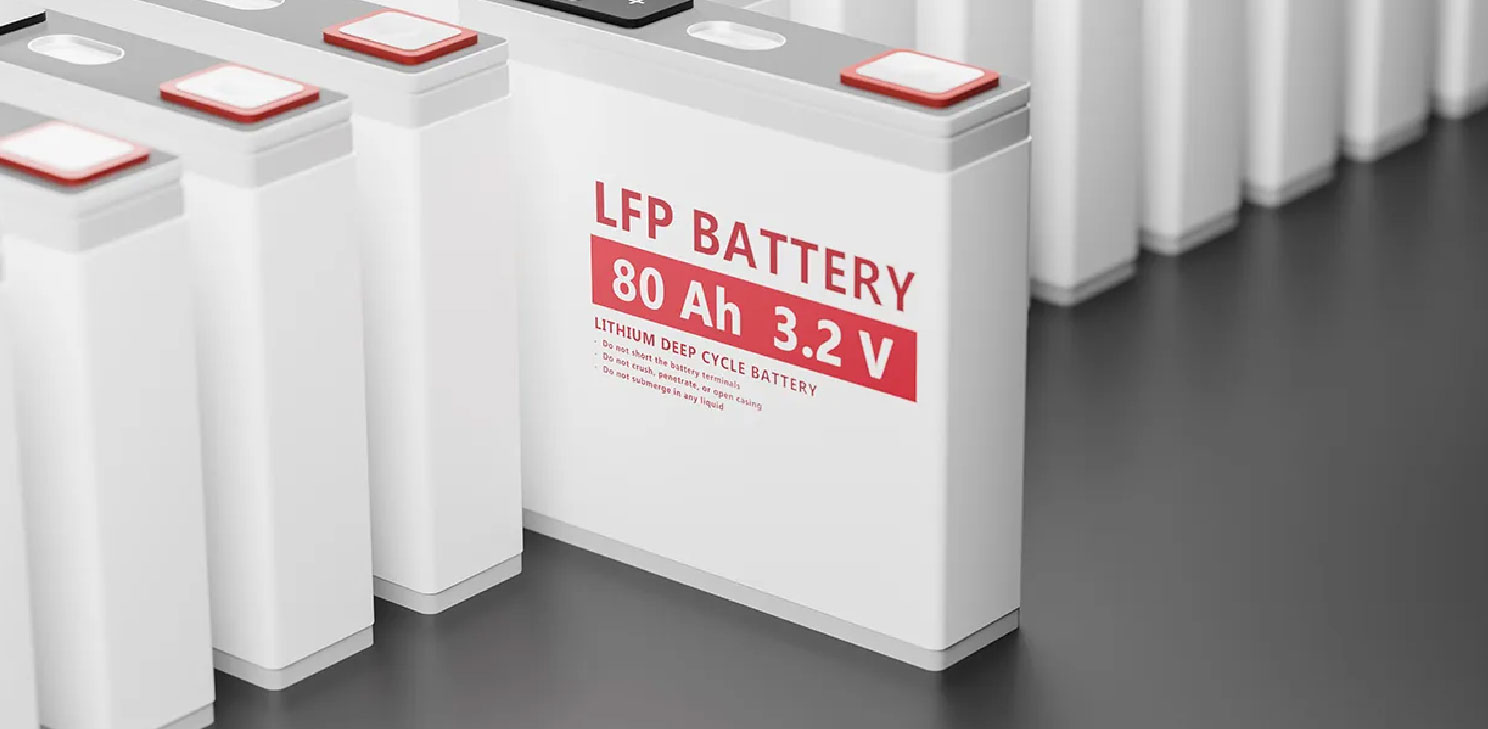
Chinese companies continue to dominate the supply of many upstream materials and refining, and have been particularly strong in LFP [lithium iron phosphate] chemistry for battery storage due to “cost and scale,” noted Greskowiak.
The use of Chinese battery cells in the U.S. is expected to decline due to Domestic Content Requirement and Prohibited Foreign Entity restrictions imposed in President Trump’s One Bill Beautiful Bill Act in 2025. The U.S. manufactured around 12 GWh of battery storage capacity in 2025 and this is set to grow to around 30 GWh by 2030, representing around one third of U.S. demand for energy storage, Wood Mackenzie said.
“Policy uncertainty, higher capital costs, and execution risk mean domestic supply is unlikely to fully meet near-term demand, so imported equipment will continue to play a meaningful role,” Greskowiak said. Tariffs, evolving Foreign Entity of Concern guidance, and domestic-content requirements can quickly narrow the pool of compliant suppliers, he noted.
Growth strategies
Volatile trade policy and a shifting manufacturing landscape has prompted U.S. storage developers to diversify supply. Lightshift has “built a flexible, resilient supply strategy rather than relying on a single sourcing pathway,” Greskowiak said.
Fluence is working with its contract manufacturers to build out its U.S. supply chain, including battery cells, modules, inverters, enclosures and controls equipment. A truly resilient supply chain “requires a strong local presence, including service and project execution teams in the countries where you operate,” Loosen said.
Meanwhile, grid constraints have spurred innovative new deployment strategies. Lightshift is building utility-scale portfolios of smaller distribution-sited batteries at existing substations and load centers that can be dispatched through a common control platform, Greskowiak said. Developed in partnership with utilities, these projects can be completed faster than more centralised resources. “There are tens of thousands of existing distribution substations across the U.S., and our view is that fully utilizing this already built infrastructure can keep costs down and materially shorten deployment timelines,” he said.
To find out more about the latest gigafactory updates and innovations, meet with solution providers and hear talks from industry leaders, attend the 5th Battery Gigafactory Summit USA: Advances In Planning, Engineering And Operations, taking place on March 11-12, 2026, in Phoenix, AZ, USA.
For more information, visit our website or email us at info@innovatrix.eu for the event agenda. Visit our LinkedIn to stay up to date on our latest speaker announcements and event news.
Source: