2nd Healthcare Facility Design and Build Summit
Days
Hours
Minutes
Seconds
e
g
i
s
t
e
r
N
o
w
About the healthcare facility design event
Healthcare Facility Design & Build Conference: Shaping the Future of Medical Infrastructure in Nashville, Tennessee
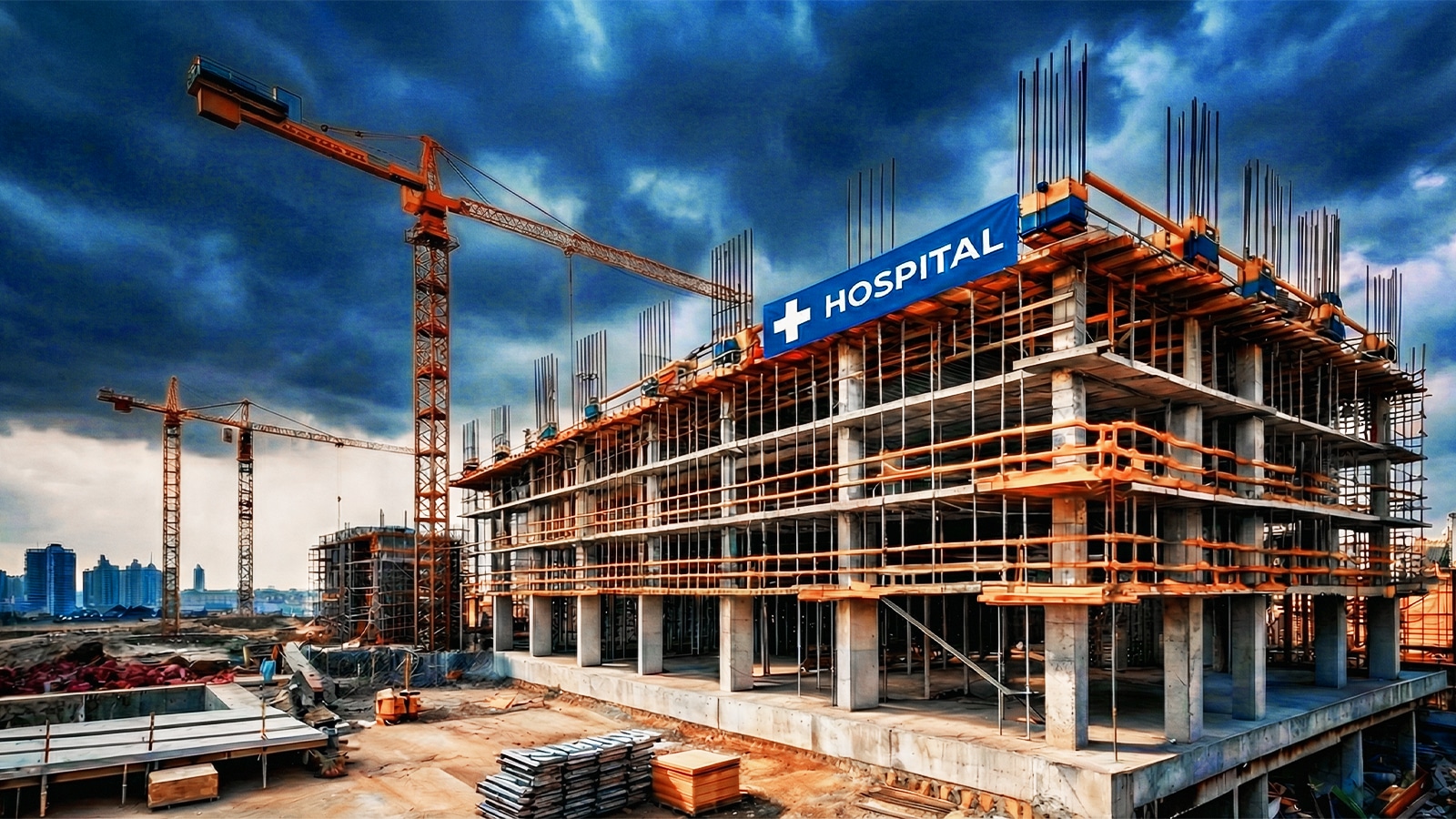
The healthcare sector is entering a new era of innovation, marked by significant investment in the Healthcare Facility Design and Healthcare Construction of next-generation medical facilities. From advanced surgical suites and high-acuity care areas to behavioral health environments and outpatient centers, the demand for smart, resilient, and patient-centered infrastructure is rapidly increasing. As expectations rise around sustainability, adaptability, digital integration, and clinical performance, the complexities of delivering modern healthcare facilities continue to grow. The Healthcare Facility Conference and Healthcare Facility Design and Build Conference is dedicated to addressing these evolving challenges and accelerating the future of healthcare construction.
On June 24-25, 2026 the Healthcare Facility Design and Build Summit USA will take place in Nashville, Tennessee. This exclusive two-day event will bring together healthcare executives, design and planning specialists, architects, engineers, clinical leaders, and construction experts to explore innovative strategies for designing and building next-generation care environments. The summit will highlight how smarter workflows, new technologies, and modern design practices are transforming patient-centered facility development.
Smarter Healthcare Planning at the Design & Build Show
Throughout the healthcare design show, attendees will gain insights into cutting-edge strategies including human-centered design, advanced digital workflows, sustainable construction methods, and high-performance building systems. Sessions within the healthcare design tradefair will explore innovations that support better outcomes in areas such as infection prevention, behavioral health design, flexible care delivery, and technology-driven facility operations. These approaches are essential for ensuring that healthcare environments remain efficient, adaptable, and clinically aligned.
A key focus of the event will be addressing the growing need for Hospital Retrofitting and modernization of existing healthcare facilities. Experts will discuss strategies for upgrading infrastructure, improving energy efficiency, and integrating advanced systems into older buildings while maintaining compliance and operational continuity. These insights are essential for organizations involved in Healthcare Construction and Healthcare Facility Design aiming to enhance performance and extend the lifecycle of healthcare assets.
Accelerating Project Delivery at the Healthcare Design Event
Experts at the event will address pressing industry challenges including rising construction costs, strict regulatory compliance, supply-chain constraints, facility adaptability, and long-term infrastructure resilience. Presentations at the conference will deliver actionable strategies for integrating AI and automation, enhancing safety, improving clinical workflow alignment, and future-proofing healthcare spaces for emerging medical technologies. This Healthcare Facility Show and healthcare design show will offer practical insights that help teams plan more effectively and execute projects with greater certainty.
Connect and Collaborate at the Healthcare Design Tradefair
Beyond the educational sessions, the healthcare facility tradefair will provide valuable opportunities to network with industry peers, explore real-world case studies, and connect with leading solution providers. Attendees will have the chance to exchange lessons learned, discover new technologies, and collaborate with stakeholders shaping the next generation of healthcare facilities.
Join Us in Nashville for the Future of Healthcare Facility Design
Be part of the healthcare design conference that is redefining how medical facilities are planned and built. Discover how smarter design, innovative technology, and collaborative project delivery are driving progress throughout the healthcare sector. This premier event and technology show will equip you with the insights and strategies needed to create smarter, safer, and more sustainable healthcare environments for patients and providers alike.
As the demand for modern medical infrastructure continues to rise, this Healthcare Facility Conference will also serve as a leading Healthcare Facility Show focused on advancing Healthcare Facility Design and Healthcare Construction practices. Industry leaders will explore innovative approaches to Hospital Construction, including scalable facility planning, patient-centric design, and efficient project delivery models. The event will also highlight emerging trends in sustainable healthcare environments and smart infrastructure development across the United States.

Key learning points from the healthcare facility design conference
- Designing for flexibility and adaptability in modern healthcare environments
- Enhancing infection control through advanced HVAC and air filtration systems
- Creating safe, therapeutic spaces for behavioral and mental health treatment
- Leveraging smart technologies and automation in healthcare facility operation
- Implementing sustainable and resilient strategies in healthcare construction
- Managing workforce shortages and construction labor challenges in healthcare
- Navigating complex regulatory requirements in healthcare facility design
- Hospital Retrofitting and retrofitting healthcare facilities
- Reducing costs and minimizing project risks through innovative delivery model
Speakers









Sponsors
Gold Sponsor
Gold Sponsor
Gold Sponsor
Gold Sponsor
Silver Sponsor

Bronze Sponsor
Bronze Sponsor
Bronze Sponsor
Bronze Sponsor
Bronze + Lanyard Sponsor
Bronze Sponsor
Drinks Sponsor

Start-Up Elevate Sponsor
Tote Bag Sponsor
We offer a number of sponsorship options designed to meet your strategic goals. If you are interested in seeing our detailed sponsorship packages, please reach out to us by clicking the link below.
Become a SponsorPrevious attendees
Gallery


Registration packages
Hear from
our satisfied clients
Explore our client testimonials and find out why industry-leading organisations and changemakers choose Innovatrix.

Jason Knapp
Managing Director
Capitol Energy Advocacy, LLC
”I would say this conference is collaborative, makes networking easy and informative, having folks from very different components within the battery gigafactory supply chain all in one location.”

Eric White
Technology Manager
US Department of Energy
”I thought the panel discussions were a great opportunity for people to talk more casually about the work they’re doing and their perspectives and the sessions were moderated with expertise.”

Anders Hedqvist
Head of Strategic Projects
Epiroc
”Good composition of speakers with good content and fantastic interaction.”

Christopher Nason
Global Head of Business Intelligence
Deutsche Bank
”I found that the speakers covered a wide range of issues cogently and very well. I'm sure I will be attending next year.”

Diana-Alina Pasca
Manager of Card Operations Projects
Banca Transilvania
”I think the Innovatrix team is great, very responsible and organised, they have done a great job with this event.”

Jeroen Soepnel
Head of Marketing CSB
Webasto
”It was great to see so many different presentations from all areas of off-highway electrification. We will be here next year!”

Brent Hinson
CFO
PowerCo Canada
”Networking is probably one of the best parts, especially here. We’re in the process of building a big gigafactory, so getting to meet vendors and people who have already been through it before has been a great experience.”

Cody Allen
Assistant Professor
University of Illinois Urbana-Champaign
”I thought it was a really well-run conference, the organisation made sense, and there was a good set up of speakers. The demos at the booths were pretty high quality, and I really enjoyed that whole aspect.”

Cody Parvin
Director of Customer Solutions
Independent Rough Terrain Centre
”I thought this organisation was very professional, the staff have been amazing, the setting is awesome, and there are a lot of good industry leaders here who have a lot of good intel.”

Dr. Katharina Gerber
Engagement Lead for Battery Industry
Siemens
”It’s different from other conferences that I have attended, as there’s less focus on marketing and more talking about the real-life problems that the industry is trying to solve.”

Chris Kolbe
VP of Sales & Marketing
HYDAC Technology Corporation
”I really enjoyed the presentations today, the topics were concise enough that you got an idea of what was going on and the quality and variety of speakers, which included technology experts, OEMs and components suppliers, gave you the full value chain for autonomy and opportunity for a good discussion.”
Stephen M. Speakes
President and CEO
Independent Rough Terrain Centre
”I had lunch today with two people I never would have met in the course of my normal life, so I thought the networking opportunities here were really extraordinary. I definitely recommend this opportunity to anybody who’s interested in new technology for heavy equipment.”

John Westman
Engineering Manager
Pettibone/Traverse Lift, LLC
”The organisation has been great, better than most conferences I've been to, very honestly. The people who are here are extremely knowledgeable and very dedicated to this system which is impressive.”

Nick Tindall
Senior Director, Regulatory Affairs and Ag Policy
Association of Equipment Manufacturers (AEM)
”A lot of our very large OEM members are here that have tens of thousands of employees, and this event gives me the opportunity to engage with many of them, which is something I normally wouldn’t have the chance to do.”

Dr. Ray Gallant
Vice President of Sustainability and Productivity Services
Volvo CE
”I certainly would consider joining again in future sessions and future conferences of this type. I think the content is very relevant, very interesting and timely because we are heading into an age of expansion in these topics.”

Matthew Mendoza
Sr. Program Manager
Lyten
”The conference has been amazing so far, it has been a great experience. I got to learn about a lot of different atmospheres and aspects of gigafactory building, everything from fire protection to processing.”

Human K Alwan
Technical Program Manager Software X Quality Management
Stellantis
”What I really like about this conference is the diversity of different suppliers and manufacturers that are here, I’m learning so much from a wide variety of people by being able to see their perspectives and their challenges.”

Suresh Sankaran
Head of Model Risk & Governance
Metro Bank PLC UK
“The networking is very effective, courteous, professional and has a can-do attitude. It would be a pleasure and a privilege to participate in next year's conference.”

Christine Wunderli
Executive Director – Product Owner Digital Onboarding
Bank Vontobel AG
"The presentations were really interesting, delivered by very engaging presenters, and I really enjoyed it, I learned a lot."
Kseniia Kutyreva
Head of Risk and Compliance
Finom
“I really liked the variety of speakers and it is nice to see so many providers present who are interested. The atmosphere is really nice and friendly, and everyone is interested in getting to know your company.”
Media partners for the healthcare facility design event


Top 5 attractions near the healthcare facility design event

Country Music Hall of Fame and Museum
One of the world's largest museums devoted to country music, you'll find massive collections of photos, videos, artefacts, and music, all celebrating Hall of Fame inductees like Glen Campbell, Johnny Cash, Dolly Parton, and many others.

The Parthenon at Centennial Park
The Parthenon is a full-scale replica of the famous temple in Athens, Greece. The recreation is even accurate inside, where you’ll find replicas of the statues in the original, as well as a substantial art collection.

Belle Meade Historic Site & Winery
The Belle Meade Plantation is a 30-acre historic site, winery, stables, mausoleum, a visitor’s centre, and a reconstruction of the former enslaved people's quarters in Nashville, Tennessee. Highlighting the history of the plantation, it has served the public since the late 19th century.

Ryman Auditorium
A world-renowned concert hall, Rock & Roll Hall of Fame landmark and music’s most iconic stage, Ryman Auditorium is Nashville’s “Mother Church.” Its unique architecture and state-of-the-art sound technology make every show one of the best you’ve ever seen.

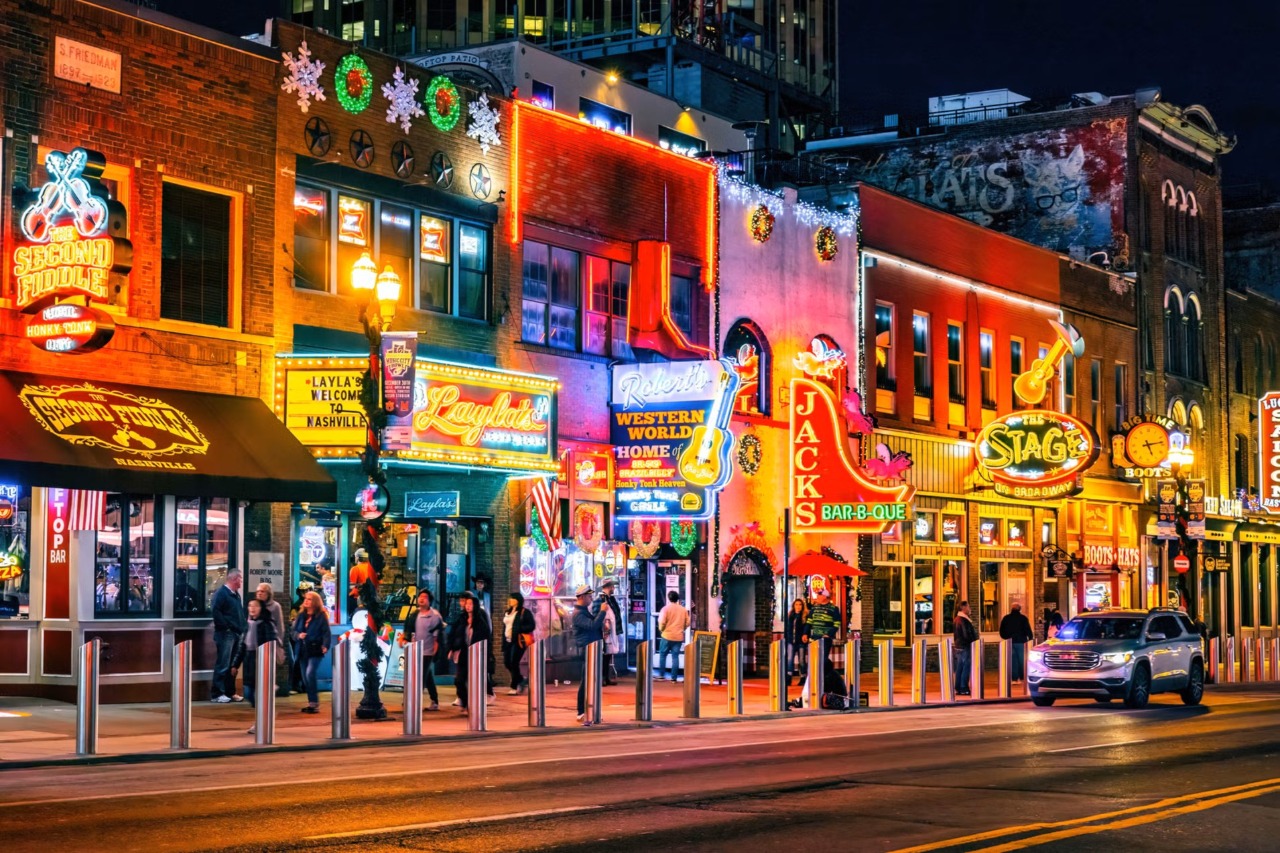
Honky Tonk Highway
The Honky Tonk Highway is a strip of live music venues across the music district of Nashville. If you're looking to explore a wide variety of country-western, bluegrass, and Southern rock bands, you'll find it in the heart of downtown along Broadway.
Top 5 restaurants near the healthcare facility design event

Martin’s Bar-B-Que Joint
Authentic Tennessee Bar-B-Que with in-house prepared dry rubs and a massive whole-hog cinder-block pit.

Bourbon Steak
With a Michelin-starred chef, it offers 360-degree panoramic views of the Nashville skyline and deeply satisfying dishes

Husk
Southern charm abounds in both the decor and flavours at Husk, located in a converted historic home.

Etch
Open-kitchen setting for eclectic, upscale dining, plus a rich cocktail & wine list.

Sun Diner
Classic Southern favourites & breakfast specialities served in a nostalgic Sun Records–themed diner in Downtown Nashville.
Topics to be discussed
Managing risk in healthcare facilities involves identifying and assessing vulnerabilities across plant operations, design and construction, and compliance from the outset. It focuses on safety, performance, and regulatory risks, with mitigation through resilient design, oversight, and proactive maintenance to ensure reliable operations.
Acuity-adaptable inpatient units use a whole-team staffing model across disciplines to improve efficiency and care flow. Design reduces staff travel by co-locating essential functions near the bedside. Single-room flexibility and data-driven unit sizing improve continuity of care, staffing efficiency, and operational performance.
Healthcare construction must adapt when inpatient bed demand changes mid-project. Strong decision frameworks and risk communication help align stakeholders quickly. Case examples show revised bed studies can be integrated without disrupting construction or patient access, balancing flexibility with delivery continuity.
Designing for holoportation in healthcare creates immersive, technology-enabled spaces supporting clinical care and front-of-house experiences. It includes use cases like patient navigation, education, and remote specialist access. The approach aligns facility design with evolving care models and workforce needs for flexible delivery.[/i]
Designing cancer care in rural and frontier settings focuses on resource-conscious, sustainable strategies with adaptable spaces, phased development, and operational efficiency. It emphasizes codesign with communities to create culturally congruent environments that strengthen ownership, resilience, and long-term viability of care services.
Healthcare teams adapting to new environments often reveal gaps between design intent and realworld workflows. Post-occupancy evaluation examines interactions between people, process, space, and technology. Insights identify successes and challenges, which are then used to refine future facility design and improve operational performance.
The ICU soundscape examines environmental stressors using design-thinking methods to understand acoustic conditions affecting patients and staff. It evaluates how noise influences healing, communication, and stress. Evidence-based noise mitigation strategies are applied to reduce harmful sound levels and improve overall care quality.
Ambulatory clinic layouts are rethought to improve staff efficiency and patient privacy. Using surveys, focus groups, and observations, differences between staff perceptions and real workflows are identified. Findings highlight gaps between design intent and use, informing evidence-based decisions in facility planning and design.