Microsoft is launching a new approach to building AI data centers in America, with five concrete commitments to local communities. The company promises to pay full electricity rates, minimize water consumption, and create local jobs. The approach aims to prevent communities from footing the bill for the AI infrastructure boom.
The tech giant calls it the “Community-First AI Infrastructure” initiative, a response to growing concerns about the impact of large-scale data center developments. In dozens of US states, household electricity rates have risen, driven in part by inflation and grid upgrades. Communities fear that data centers will strain their energy and water resources without giving anything in return.
Microsoft emphasizes that the initiative builds on historical lessons from U.S. infrastructure projects. From canals and railroads to the power grid and highways, every era has brought conflicts over who bears the burdens of progress. “Successful infrastructure buildouts will only progress when communities feel that the gains outweigh the costs,” the company said.
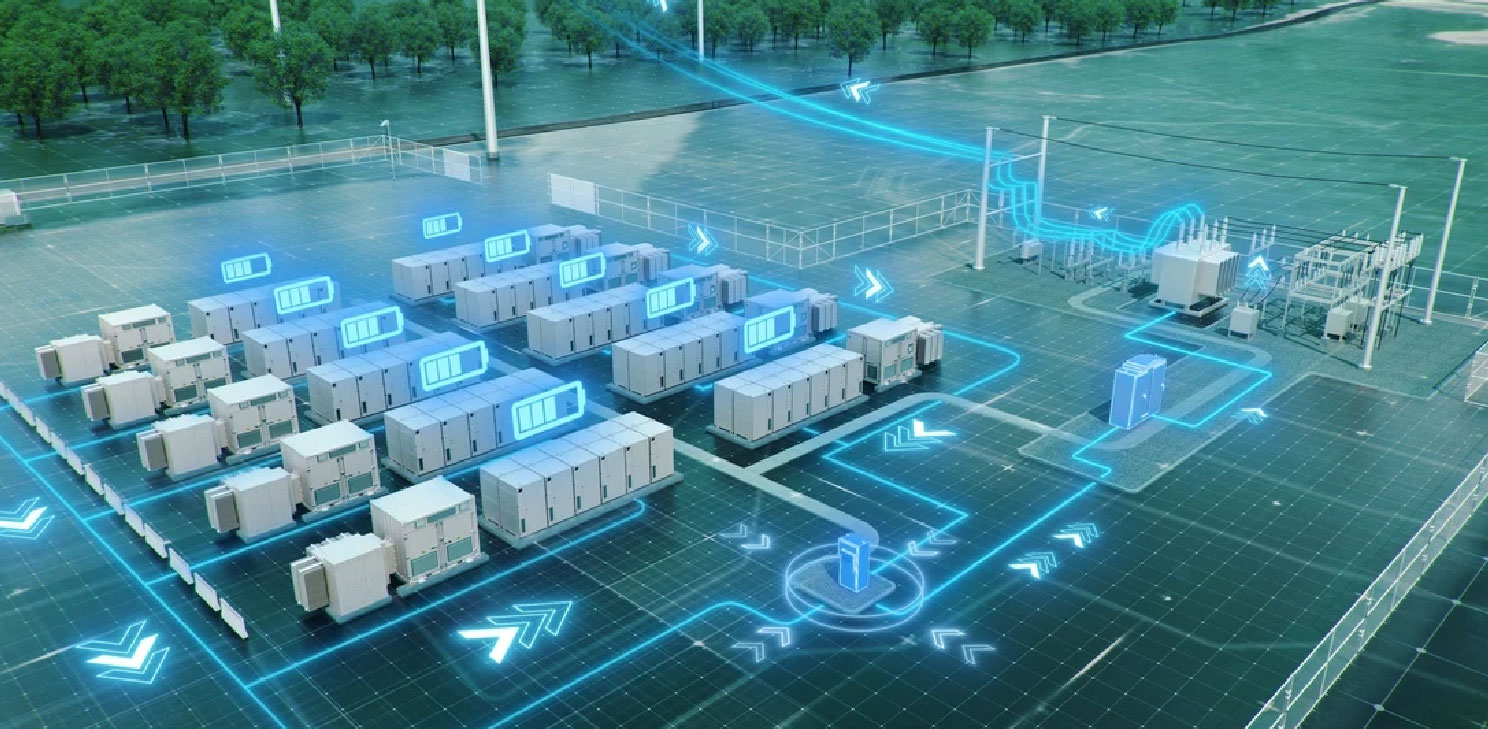
The first commitment focuses on energy. Microsoft is asking utility companies and state commissions to set rates high enough to cover the full electricity costs of its data centers. This way, households will not have to pay for the AI infrastructure. In Wyoming, Microsoft is already working with Black Hills Energy on a partnership that ensures that data center growth strengthens the local community rather than burdening it.
In addition, the company contracts early with utilities for power needs and finances transmission and substation improvements itself. In the Midcontinent Independent System Operator (MISO) network, Microsoft has contracted for 7.9 GW of new electricity generation, more than double its current consumption.
In terms of water, Microsoft is committed to reducing water intensity by 40 percent across its entire data center fleet by 2030. The company previously introduced a new data center design with a closed cooling system that no longer requires drinking water for cooling. These next-generation designs have already been rolled out in Wisconsin and Georgia.
In Quincy, Washington, a dry region with groundwater pressure, Microsoft built the Quincy Water Reuse Utility, which treats and reuses data center cooling water. At its data center in Leesburg, Virginia, the company is funding more than $25 million in water and sewer improvements. In addition, Microsoft promises to replenish more water than it withdraws through projects such as leak detection in urban systems and wetland restoration in the Midwest.
Microsoft is entering into a new partnership with North America’s Building Trades Unions (NABTU) to strengthen apprenticeship programs for skilled trades in regions where data centers are being built. According to LinkedIn data, job openings for data center positions grew by 23 percent globally and 13.5 percent in the US year-over-year in 2025.
The Data Center Academy, a program with local community colleges, trains people for operational roles. In Boydton, Virginia, hundreds of students have earned IT and critical facilities certifications through this program. In 2024, a Critical Environment Training Lab opened there with donated data center equipment for hands-on training. Microsoft is expanding this program to other states where it is building new data centers.
In addition, the company is investing in AI training for K-12 schools, libraries, and small businesses in data center communities. Local libraries are being equipped with AI tools and training, while chambers of commerce are receiving flexible grants to upskill employees in AI.
To find out more about the latest industry updates and innovations in data center construction, meet with solution providers and hear talks from expert speakers, attend the 3rd Constructing Green Data Centers: Revolutionizing Planning, Design, and Engineering, taking place February 10-11, 2026 in Las Vegas, Nevada, USA.
For more information, click here or email us at info@innovatrix.eu for the event agenda. Visit our LinkedIn to stay up to date on our latest speaker announcements and event news.
Source: