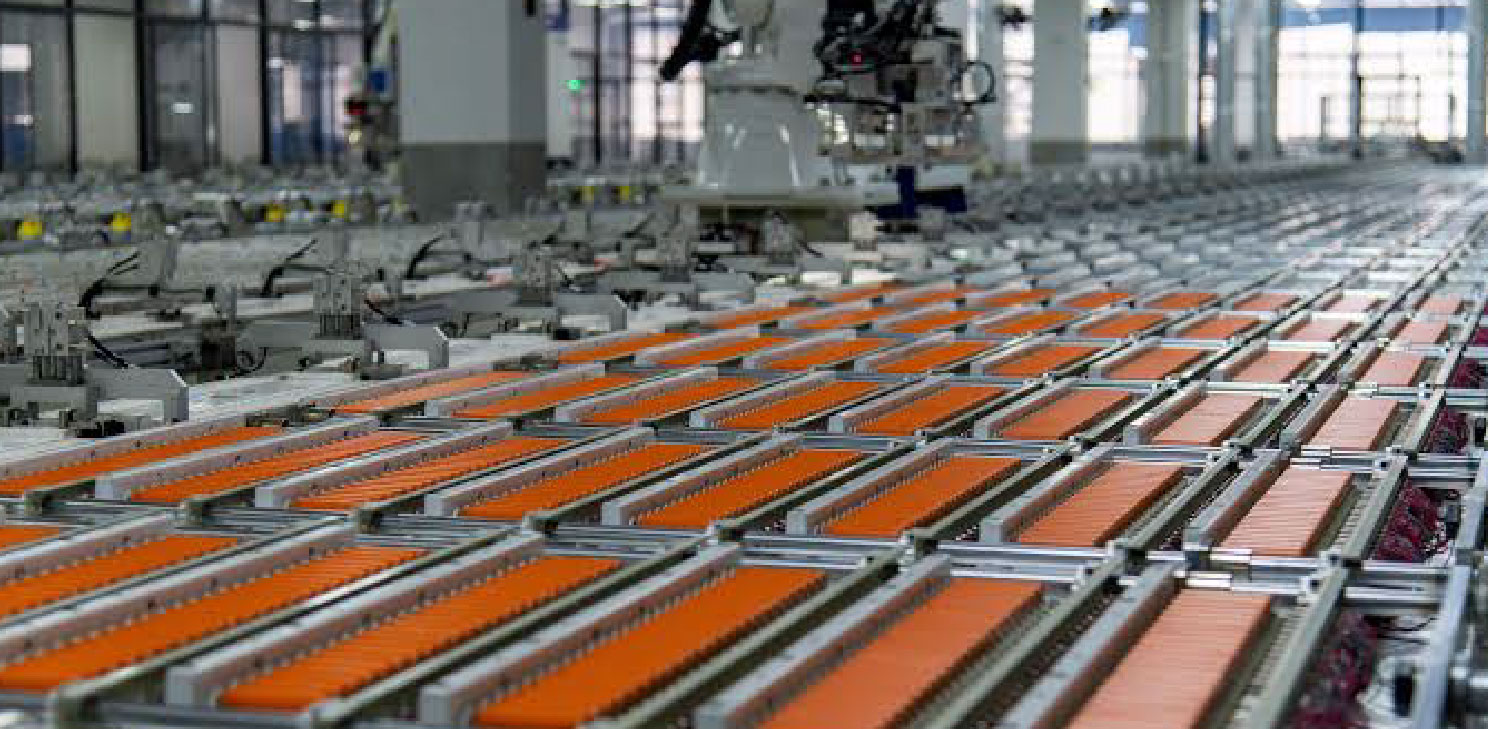
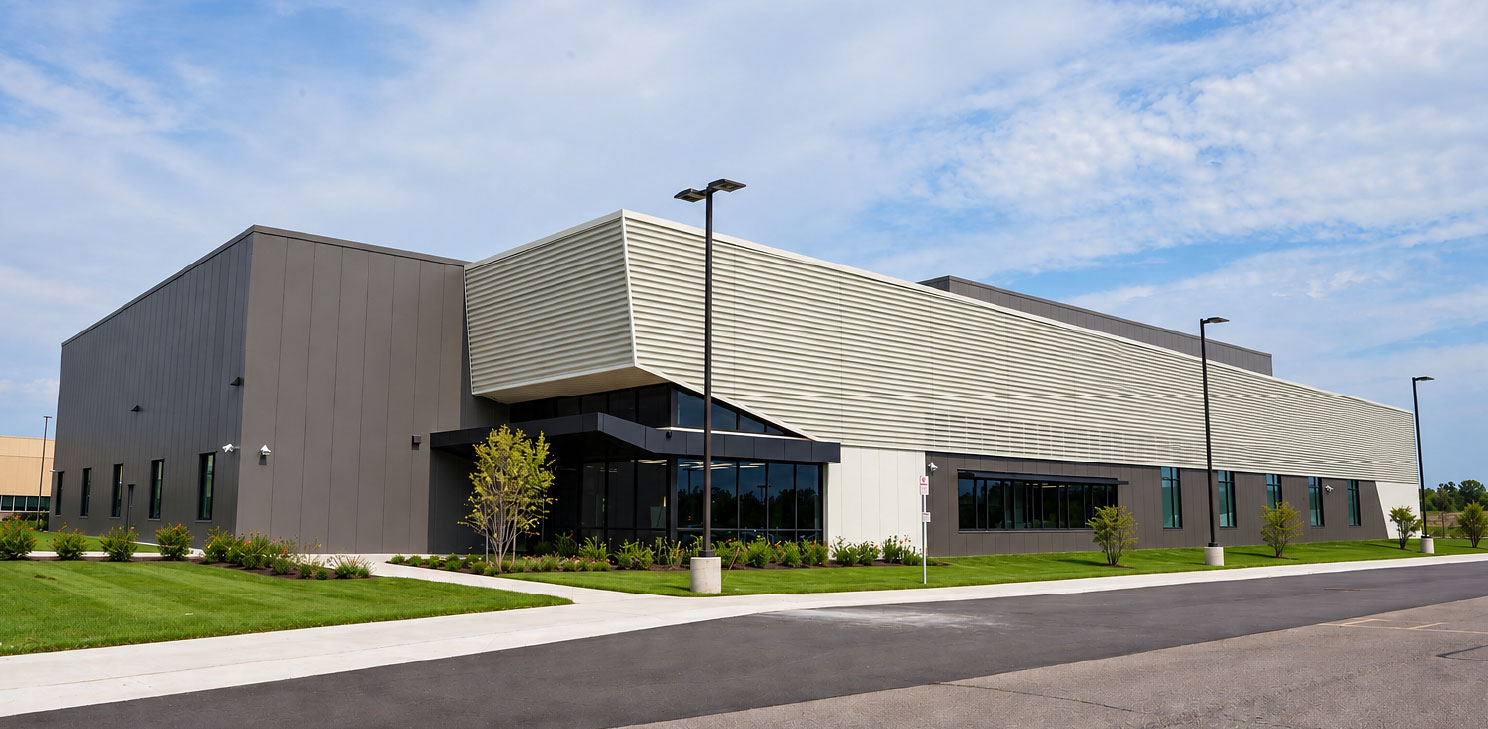
As the global photovoltaic sector expands exponentially, with manufacturing capacity surging from 30 gigawatts per year in 2010 to unprecedented levels today, a critical question emerges: what is the true environmental cost of establishing these massive production facilities? A comprehensive study by researchers at the Fraunhofer Institute for Solar Energy Systems has provided remarkable insights into this complex issue, revealing that sustainable photovoltaic manufacturing requires far greater attention to industrial infrastructure than previously acknowledged.
The Hidden Environmental Burden
For decades, environmental assessments of photovoltaic production have focused primarily on the manufacturing processes themselves—the energy consumed during wafer cutting, cell processing, and module assembly. However, the environmental impacts of the factories and industrial sites required to house this equipment have been largely overlooked. This oversight represents a significant gap in our understanding of solar energy’s true environmental footprint.
The research examined a vertically integrated 5 gigawatt-peak per annum industrial site in Cologne, Germany, capable of producing silicon ingots, wafers, solar cells, and modules on a 50-hectare greenfield location. The findings were striking: the infrastructure supporting these operations—including process equipment, facility systems, and civil engineering components—generates substantial environmental impacts across multiple impact categories.
Key Discoveries About Infrastructure Impact
The study’s comparative analysis of existing environmental database records with newly developed models revealed significant discrepancies. For wafer, cell, and module factories, previous environmental inventories substantially overestimated impacts, reflecting technological improvements made over two decades. Conversely, the ingot factory showed underestimation, highlighting the complexity of assessing industrial infrastructure fairly.
What emerged most prominently was the critical importance of the product stage. Environmental impacts from manufacturing structural components, equipment, and construction materials accounted for approximately 79 per cent of the total environmental burden for traditional steel-framed facilities. This finding underscores why choosing appropriate construction materials and methods is essential for achieving sustainable photovoltaic manufacturing.
Building Systems and Environmental Performance
The research compared three primary construction approaches: steel structures, precast concrete, and structural timber. The results were revelatory. Structural timber systems demonstrated environmental advantages across 14 of 15 impact categories, with reductions ranging from 1.1 to 12.4 per cent compared to conventional steel-framed facilities. This suggests that sustainable photovoltaic manufacturing can be substantially improved through material selection during the design phase.
Process and facilities equipment accounted for roughly half of the combined product and construction stage impacts, with the manufacturing of metal-working machinery representing a major contributor. The copper mining and refining processes associated with equipment production emerged as particularly environmentally significant, indicating future opportunities for improvement.
Land Use and Construction Considerations
Beyond direct material impacts, the construction stage generated additional environmental burden, particularly regarding land transformation. The earthwork operations required to prepare a 50-hectare industrial site—involving excavation, material transportation, and site preparation—produced substantial impacts, especially in the land use category. These localised environmental effects warrant careful monitoring by environmental authorities overseeing industrial development.
Implications for the Future
As demand for photovoltaic capacity accelerates globally, these findings carry profound implications. The research emphasises that achieving sustainable photovoltaic manufacturing demands comprehensive attention to infrastructure planning, not merely optimising operational processes. Designers and planners must consider the entire product and construction lifecycle when establishing new facilities.
The study recommends incorporating lifecycle assessment methodology from the outset of industrial planning, selecting timber-based structural systems where feasible, and pursuing continuous improvements in equipment design and material selection. Furthermore, localising supply chains and reducing transportation distances could meaningfully diminish environmental impacts.
Conclusion
The environmental assessment of photovoltaic manufacturing facilities reveals that infrastructure considerations are far from negligible. Moving towards truly sustainable photovoltaic manufacturing requires integrating environmental thinking into every aspect of factory design—from the choice of building materials to the specification of manufacturing equipment. Only through such comprehensive approaches can the solar energy industry fulfil its promise as an environmentally responsible technology capable of supporting global decarbonisation.
To discuss mega facility construction and key issues facing the industry, connect with solution providers and network with delegates, attend the 2nd Constructing Mega Facilities Summit: Advances in Planning, Design, and Engineering, taking place September 23-24, 2026, in Houston, TX, USA.
For more information, click here or email us at info@innovatrix.eu for the event agenda. Visit our LinkedIn to stay up to date on our latest speaker announcements and event news.
Source: