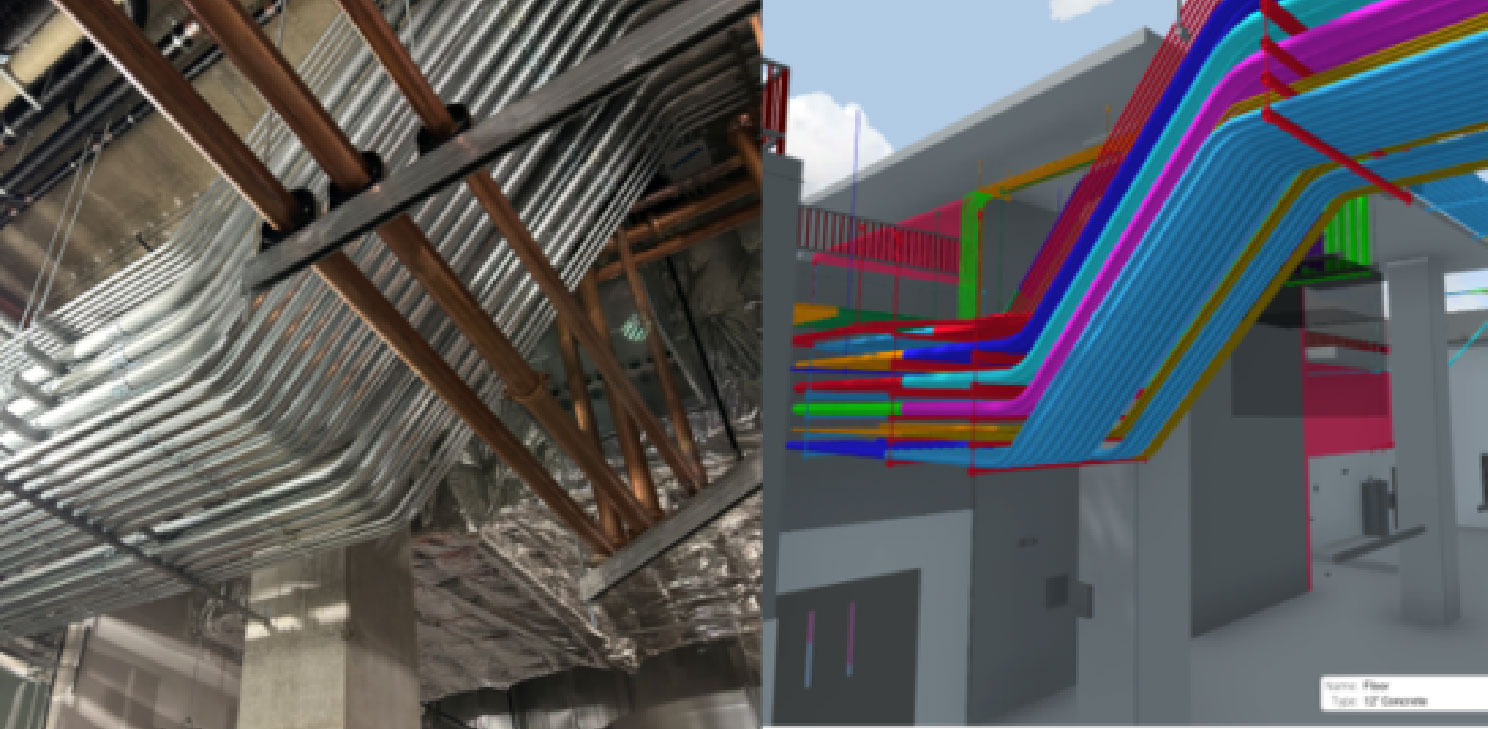
Across pharmaceuticals, semiconductors, aerospace, and advanced manufacturing, the demand for controlled, contamination-free environments continues to grow. Traditional construction methods have long been the industry standard, but a faster, more flexible alternative is rapidly gaining ground. A prefabricated cleanroom — one manufactured entirely off-site as discrete modules before being assembled at the point of use — is increasingly the solution of choice for facilities that need to move quickly without compromising on quality or compliance.
So what makes prefabricated cleanrooms such a compelling option? Here are the key benefits.
Significantly Faster Delivery and Deployment
Speed is one of the most immediate advantages. With conventional stick-built construction, establishing a GMP-compliant cleanroom can take anywhere from 12 to 18 months. Prefabricated cleanroom construction can compress this significantly — often down to 3 to 6 months — by shifting the bulk of the build process off-site into a controlled factory environment. Site preparation and module fabrication can proceed in parallel, removing one of the most significant bottlenecks in traditional project timelines. For pharmaceutical manufacturers responding to urgent production demands or time-sensitive contracts, this speed-to-market advantage can be decisive.
Lower Capital Costs
Off-site fabrication reduces the reliance on extensive on-site labour, which is one of the primary cost drivers in conventional construction. Because modules are built in a factory, materials are procured and used more efficiently, and quality is more tightly controlled throughout the build. The result is a meaningful reduction in overall capital expenditure. Some estimates put the cost savings at up to 30% compared to traditional builds — a significant figure when facility budgets are under pressure. Disruption to existing operations on-site is also minimised, reducing indirect costs that are often overlooked in project planning.
Flexibility and Scalability
Unlike permanent structures, a prefabricated cleanroom is inherently adaptable. Modules can be added to expand capacity, reconfigured to meet new process requirements, or even relocated to a different site entirely if operational needs change. This makes them well suited to industries where production volumes, product types, or regulatory classifications are likely to shift over time. A facility that starts with a Grade C environment today can be extended or upgraded to accommodate an ISO 5 space later, without the disruption and cost of a full rebuild.
Consistent, Factory-Controlled Quality
Because all components — panels, HVAC systems, filtration units, utility connections — are fabricated and integrated in a factory setting, quality control is far more consistent than on a live construction site. Environmental variables such as temperature and humidity that can affect the integrity of on-site builds are eliminated. This consistency translates into more predictable validation outcomes, which is particularly valuable in regulated industries where commissioning and qualification activities must be rigorously documented.
Multi-Industry Applicability
The benefits of a prefabricated cleanroom are not limited to pharmaceuticals. The same principles apply wherever contamination control is critical: semiconductor manufacturing, aerospace research, medical devices, and cosmetics production all rely on cleanroom environments that must meet strict ISO or GMP classification standards. The modular approach offers each of these sectors the same combination of speed, cost efficiency, and flexibility, making it a genuinely versatile solution across a broad industrial landscape.
Rapid Response to Emerging Needs
In crisis scenarios — public health emergencies, sudden production scale-ups, or contract manufacturing demands — the ability to deploy a compliant cleanroom quickly is invaluable. Prefabricated modules can be shipped to remote or resource-constrained locations and assembled rapidly, providing functional, standards-compliant infrastructure in situations where conventional construction would simply not be feasible within the required timeframe.
The Outlook
The global modular construction market is forecast to exceed USD 54 billion by 2027. Within this broader trend, the prefabricated cleanroom sector is well positioned for continued growth, driven by increasing regulatory demands, the expansion of biopharmaceutical manufacturing, and a wider recognition that speed and quality need not be in tension. For organisations evaluating their next facility investment, the case for prefabrication is now stronger than ever.
To find out more about the latest industry updates and innovations in prefabrication for mega facility construction, meet with solution providers and hear talks from expert speakers, attend the Prefabrication for Mega Facilities Summit USA, taking place November 17-18, 2026, in Houston, Texas, USA
For more information, click here or email us at info@innovatrix.eu for the event agenda. Visit our LinkedIn to stay up to date on our latest speaker announcements and event news.