Large-scale construction projects—from gigafactories to industrial parks—carry energy demands that dwarf those of conventional commercial buildings. Getting mega facility energy optimization right from the design stage, rather than retrofitting later, is what separates projects that stay competitive from those that bleed money through inefficient systems for decades.
Why Measurement Comes First
Energy optimization is fundamentally about reducing consumption and its associated costs without compromising operational performance. That principle holds true whether the building in question is a small office or a sprawling mega facility, but the stakes multiply with scale. You cannot improve what you have not measured, and an initial energy audit remains the essential first step in any optimization programme. Building simulation tools allow designers to test how envelope components, HVAC systems, lighting and occupancy patterns interact long before a single brick is laid, which means potential inefficiencies can be caught and corrected at the design stage rather than discovered on a utility bill years later.
Sub-metering plays a similarly important role once a facility is operational. Monthly bills reveal totals, not causes, and mega facilities in particular need granular visibility into which systems, zones or shifts are driving consumption. Production and process equipment typically accounts for the largest share of energy draw in industrial-scale buildings, making this the natural starting point for any optimisation strategy.
Where the Savings Live
Several proven levers consistently deliver measurable reductions on large projects. Variable frequency drives on motors and pumps match output to real demand rather than running at fixed full speed, and this remains one of the highest-impact retrofits available, typically paying for itself within a couple of years. Compressed air systems are another perennial source of waste, with leaks in fittings, hoses and joints commonly recovering a substantial share of lost compressor output once identified and repaired. Waste heat recovery, upgraded insulation and smarter production scheduling—staggering high-draw equipment startups to avoid demand charge spikes—round out the toolkit of process-level interventions.
Building envelope work remains the most impactful action for reducing heat loss, particularly improvements to thermal insulation and airtightness. Replacing energy-hungry or oversized equipment with better-specified, less fossil-fuel-dependent alternatives compounds these gains further, and rigorous ongoing maintenance ensures that performance doesn’t quietly degrade over the building’s operational life.
The Case for Connected Systems
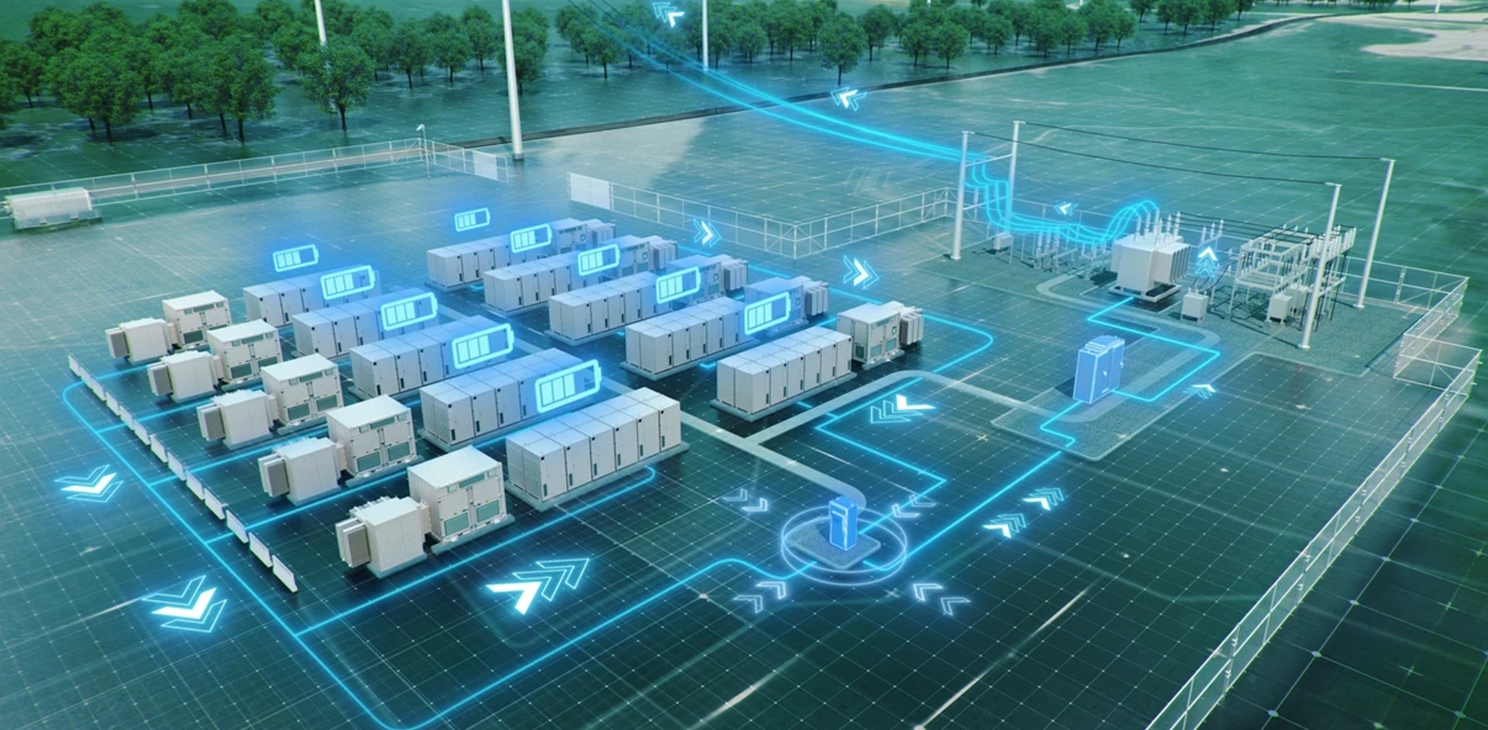
Connectivity has become the backbone of effective energy optimisation at scale. Linking sensors, meters and control systems into a single interoperable ecosystem enables continuous measurement, analysis and adjustment rather than the reactive, after-the-fact approach that monthly billing cycles encourage. A building management system gives operators a global view of behaviour across every zone, allowing programming of heating, cooling and lighting according to actual occupancy and operating hours rather than fixed schedules.
This shift from reactive to predictive management matters enormously for mega facilities, where even small percentage improvements translate into significant absolute savings given the sheer scale of consumption. Real-time monitoring can flag an underperforming system within minutes rather than months, and automated workflows ensure that corrective action follows swiftly. Equipment running at optimal condition is, by extension, equipment running at optimal efficiency—linking maintenance quality directly to energy performance.
Renewables and Occupant Engagement
Integrating renewable sources such as photovoltaic arrays or heat pumps offers mega facilities a route away from fossil fuel dependency while also providing a degree of insulation against volatile energy prices. This is increasingly relevant given the regulatory direction of travel across Europe and beyond, where energy performance certification and reporting requirements continue to tighten.
Finally, technology alone cannot deliver the full picture. Involving building occupants and operational staff, and ensuring they understand how their day-to-day practices affect consumption, remains a genuinely low-cost way to embed lasting behavioural change alongside the capital investment.
Building for the Long Term
Mega facility energy optimization is ultimately a design philosophy as much as a technical exercise. Facilities that treat energy as a variable to be actively managed—through careful modelling, connected monitoring and disciplined maintenance—consistently outperform those that treat it as a fixed cost of doing business, both financially and environmentally.
To discuss mega facility construction and key issues facing the industry, connect with solution providers and network with delegates, attend the 2nd Constructing Mega Facilities Summit: Advances in Planning, Design, and Engineering, taking place September 23-24, 2026, in Houston, TX, USA.
For more information, click here or email us at info@innovatrix.eu for the event agenda. Visit our LinkedIn to stay up to date on our latest speaker announcements and event news.