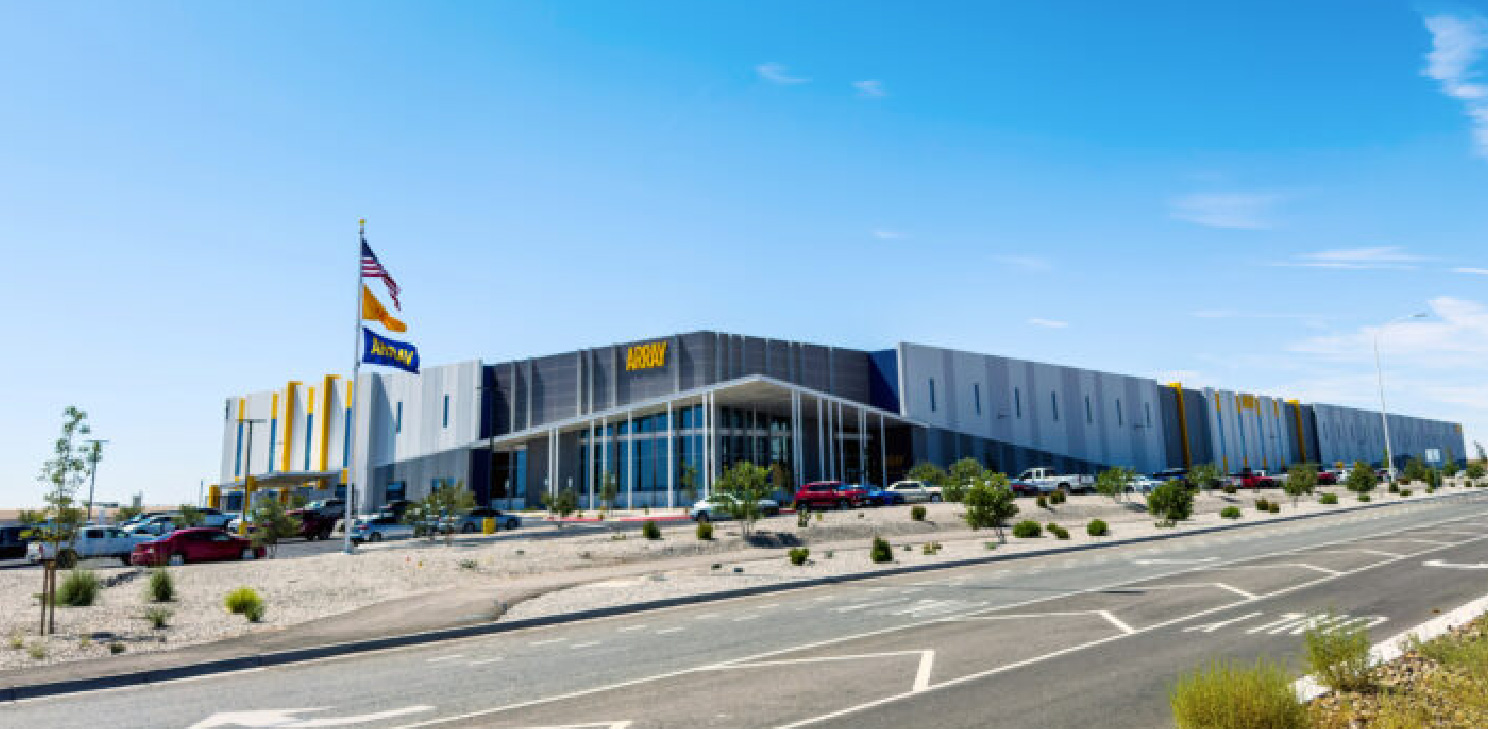
The semiconductor industry stands at the forefront of technological innovation, yet the construction of fabrication plants presents one of the most significant financial challenges in modern engineering. With semiconductor fabs representing some of the largest capital-intensive projects globally, understanding how to achieve cost-effective fab construction has become essential for industry competitiveness and long-term sustainability.
The Critical Need for Cost Control
Semiconductor manufacturing plants demand substantial financial investment, making cost management strategies absolutely crucial from the earliest planning stages through to operational handover. Without strategic cost control, projects risk budget overruns and delayed timelines that can undermine profitability and market competitiveness. The path to cost-effective fab construction begins well before ground is broken, starting with comprehensive strategic planning and design optimisation.
Strategic Planning and Design Excellence
The foundation for controlling costs in fab construction lies in thorough feasibility studies. These investigations should encompass market analysis, careful site selection evaluation, and realistic long-term operating projections. By identifying potential challenges and opportunities early, companies can address issues before they escalate into expensive construction-phase problems, securing both financial backing and stakeholder confidence.
Adopting modular and flexible design approaches offers another powerful cost-reduction avenue. These methodologies not only reduce upfront expenses but also enable easier facility expansion and reconfiguration as technology evolves. Modular designs accelerate construction timelines, thereby cutting labour costs whilst offering quicker time-to-market advantages. This approach supports innovation in new production processes without requiring extensive renovation investments.
Energy-efficient design integration represents a particularly intelligent investment strategy. Although energy-efficient systems may cost more initially—including optimised HVAC systems, smart lighting solutions, and energy recovery technologies—the substantial operational savings throughout the facility’s lifecycle justify the expense. Additionally, these designs support sustainability objectives and may qualify projects for valuable government incentives.
Supply Chain and Procurement Mastery
Cost-effective fab construction extends beyond the design phase into sophisticated supply chain management. Strategic partnerships with key suppliers ensure better pricing, material allocation priority, and collaborative innovation. Long-term supplier agreements reduce delays and associated costs while enabling customised solutions that improve overall efficiency.
Global sourcing strategies offer significant cost advantages, though they require careful risk mitigation. Supplier diversification protects against geopolitical instability and natural disasters, whilst robust risk assessment and contingency planning—including regular supplier audits and strategic inventory buffers—safeguard projects from unexpected disruptions.
Advanced procurement technologies, including e-procurement systems and artificial intelligence-driven supplier analytics, streamline processes and reveal cost-saving opportunities. Real-time supply chain visibility enables better decision-making and strengthens risk management capabilities throughout the project lifecycle.
Construction Execution and Operational Efficiency
During the construction phase, lean methodologies minimise waste and optimise workflows. Techniques such as the Last Planner System enhance coordination across trades, reducing idle time and resource waste whilst accelerating problem-solving.
Advanced project management tools, particularly Building Information Modelling (BIM), improve coordination and identify potential clashes before they become costly on-site issues. Prefabrication and modular construction further boost efficiency by enabling parallel off-site and on-site work, reducing labour requirements—particularly valuable in regions with high labour costs or skilled worker shortages.
Sustaining Long-Term Savings
Cost control in semiconductor fab construction extends far beyond completion. Predictive maintenance programmes, utilising advanced sensors and AI analytics, prevent costly equipment failures and unexpected downtime whilst optimising maintenance expenditure. Robust asset management systems track lifecycle costs, informing repair-versus-replacement decisions and minimising production losses.
Continuous energy management and sustainability programmes, including real-time monitoring systems, renewable energy integration, and water recycling initiatives, substantially reduce operational costs whilst maintaining environmental compliance. Investment in workforce development and training ensures employees work efficiently, reduce errors, and actively contribute to ongoing improvement activities.
Conclusion
Achieving cost-effective fab construction requires a comprehensive approach spanning strategic planning, design optimisation, intelligent supply chain management, efficient construction practices, and sustained operational improvements. By implementing these evidence-based strategies across every stage of a fab’s lifecycle, semiconductor companies can navigate the complex landscape of fab development with financial prudence, ensuring projects reach completion successfully whilst maximising return on investment in an increasingly competitive market.
To discuss semiconductor manufacturing, fab construction and key issues facing the industry, connect with solution providers and network with delegates, attend the 3rd Constructing Semiconductor FAB Summit USA: Advances in Planning, Design and Engineering, taking place June 24-25, 2026, in Austin, Texas, USA.
For more information, click here or email us at info@innovatrix.eu for the event agenda. Visit our LinkedIn to stay up to date on our latest speaker announcements and event news.