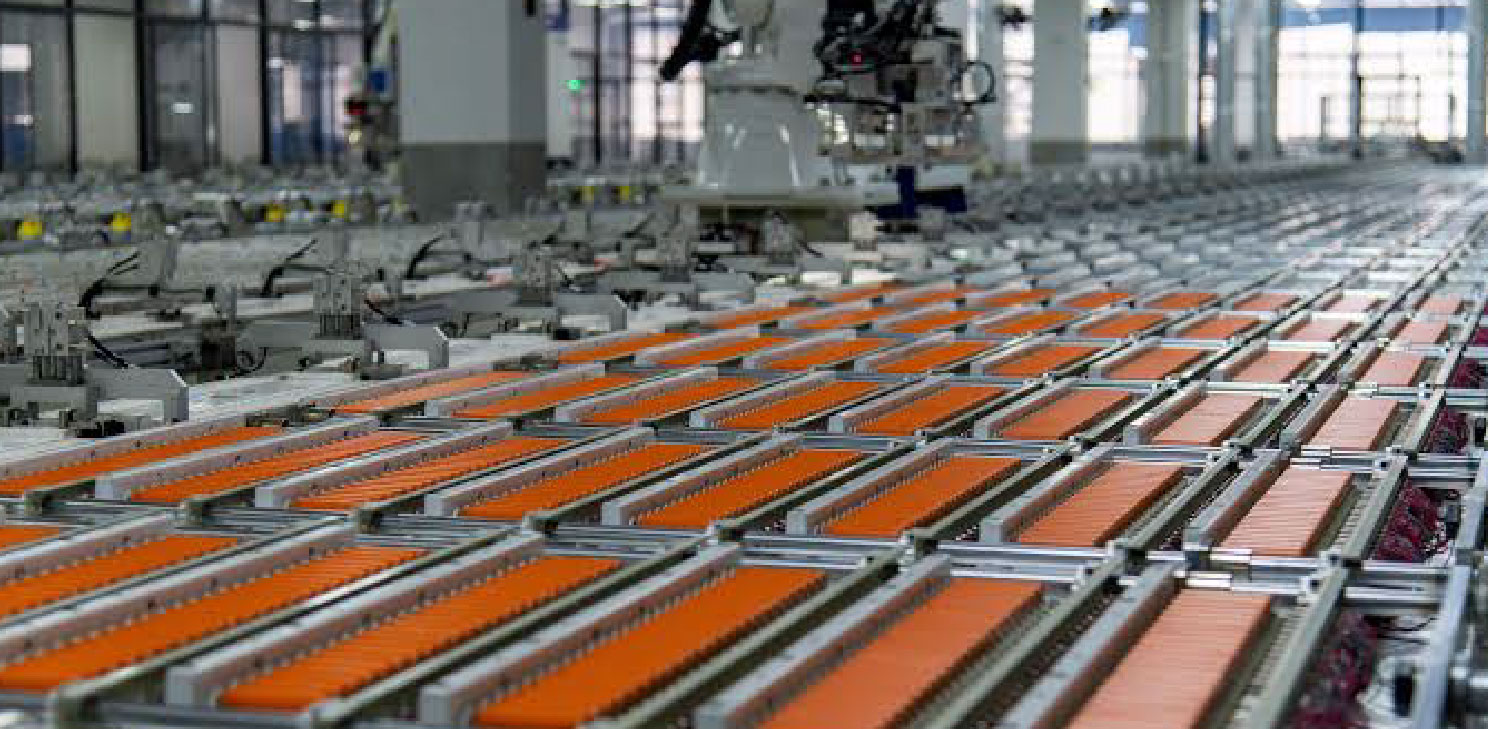
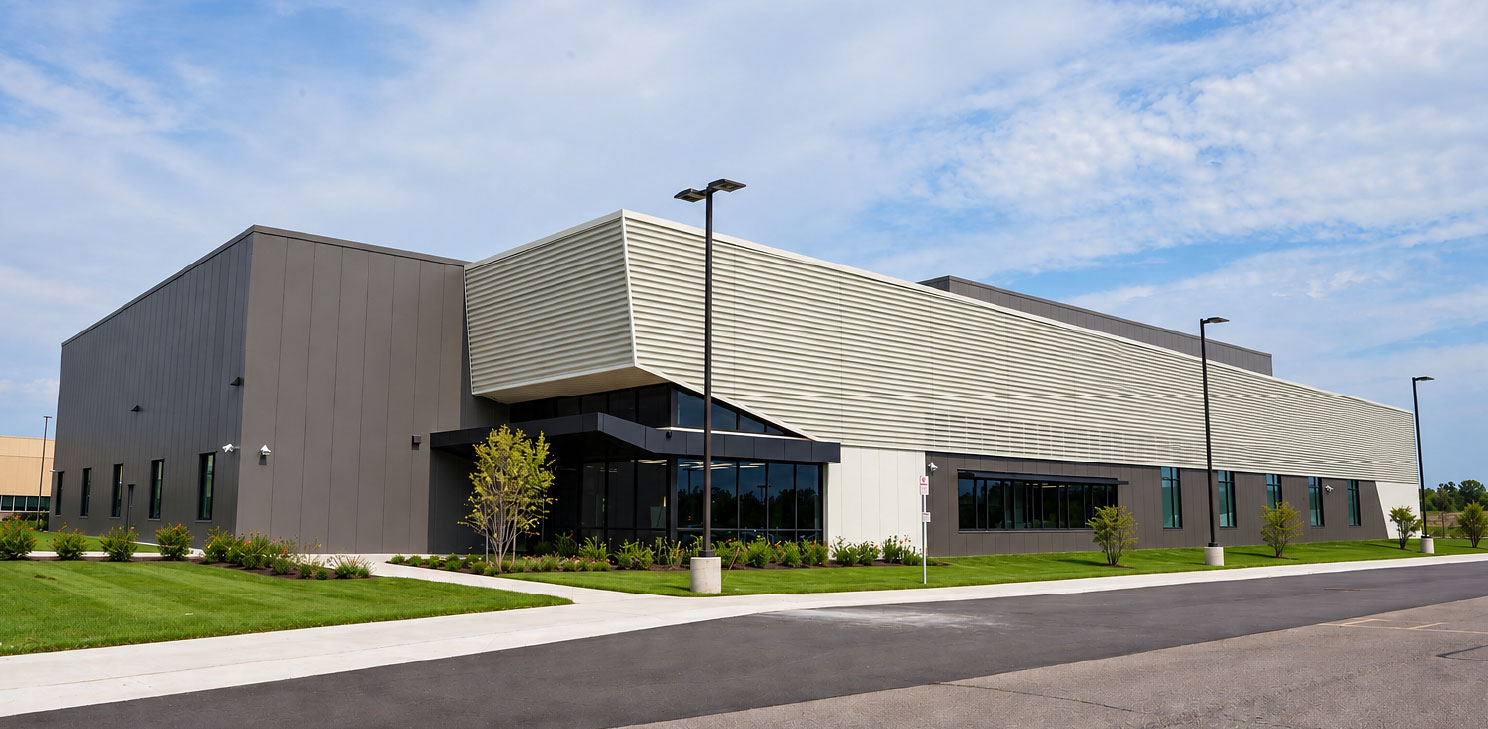
Prefabrication moves much of the building process into a factory, which can shorten timelines and improve quality control. But the pre-fabricated construction supply chain is also exposed to equipment failures, material shortages, traffic delays, and poor information sharing. One delay can ripple through every later stage. Recent research points to several practical ways to strengthen resilience.
Why the Prefabricated Construction Supply Chain Is Vulnerable
The chain is more complex than in traditional building. Work happens in a factory and on site, design must be more extensive, and planning must start earlier to account for lead times. Errors also take longer to correct. A 2025 study in Buildings identified 11 factors affecting resilience using a literature review, a Delphi expert panel, and fuzzy cognitive mapping.
Plan Proactively and Balance Trade-Offs
Planning is one of the most effective levers. Research on optimization models for the pre-fabricated construction supply chain shows that proactive planning can improve both efficiency and resilience. By measuring resilience through inventory buffering capacity, planners can balance cost, carbon emissions, and resilience in one model. Optimizing the sequence of production and transportation improves resilience, and it gives teams more recovery options when unforeseen disruptions occur. The takeaway is that these three goals compete, and project teams should tailor strategies to their specific requirements.
Prioritize Information Sharing and Transparency
Information exchange ranked first among the 11 factors in the Buildings study. Communication breakdowns, information loss, and inadequate IT systems all weaken the chain. A review of 131 articles found that intelligentization and informatization are leading research topics. Digital tools such as BIM, RFID, and blockchain-based platforms can improve collaboration. Improving operational transparency is also one of four synergy strategies proposed in a study of stakeholder capabilities and vulnerabilities.
Get Logistics and Procurement Right
A Scientific Reports study of 144 industry respondents found that transportation and procurement had the greatest influence on resilience. Other research weighs transport risk differently, so its impact likely varies by context. Practical steps include:
- Plan oversized loads early. Identify permits, bridge clearances, and road restrictions before freight moves.
- Sequence deliveries. Modules should arrive in installation order. Early arrivals create site congestion, and late arrivals delay phases.
- Diversify suppliers. The Scientific Reports study recommends long-term relationships with several suppliers, plus regular credit reviews of partners.
- Track shipments in real time so teams can adjust installation schedules.
Build Emergency Response and Stakeholder Capabilities
A social network analysis of nine stakeholder capabilities and 30 vulnerabilities found that emergency response and general contractor control are the most critical capabilities. Mitigating a single vulnerability typically takes about four capabilities working together. Critical vulnerabilities include improper and changing design, and poor planning and scheduling on site. The researchers propose four strategies:
- Strengthen the Engineering Procurement and Construction (EPC) model in the shift from normal to emergency operations.
- Improve operational transparency.
- Formulate an emergency response protocol.
- Establish resilience development policy.
Invest in R&D, Alignment, and Training
Research and development ranked second in the Buildings study. Limited component ranges and durability concerns hold the chain back, and companies can respond with joint development and financing. Owners, contractors, and manufacturers often pursue different goals, so strategic alliances can reduce decision conflicts. Assembly errors also drive quality defects, which makes training for workers and managers essential.
Building a More Resilient Prefabricated Construction Supply Chain
Resilience comes from improving several areas together. Plan ahead, share information openly, secure transportation and procurement, prepare emergency protocols, and invest in people and technology. Much of this research reflects the Chinese market, so results may differ elsewhere. Even so, these priorities give companies a practical starting point for a stronger pre-fabricated construction supply chain.
To find out more about the latest industry updates and innovations in prefabrication for mega facility construction, meet with solution providers and hear talks from expert speakers, attend the Prefabrication for Mega Facilities Summit USA, taking place November 17-18, 2026, in Houston, Texas, USA
For more information, click here or email us at info@innovatrix.eu for the event agenda. Visit our LinkedIn to stay up to date on our latest speaker announcements and event news.
Sources:
- Resilience-oriented optimization of prefabricated construction supply chain based on improved multi-objective artificial electric field algorithm | Engineering, Construction and Architectural Management | Emerald Publishing
- Analyzing resilience influencing factors in the prefabricated building supply chain based on SEM-SD methodology | Scientific Reports
- What a Better Logistics Strategy Looks Like for Modular and Prefabricated Construction
- An overall review of research on prefabricated construction supply chain management | Engineering, Construction and Architectural Management | Emerald Publishing
- Supply Chain Resilience of Prefabricated Construction: Perspectives of Stakeholder Capabilities and Vulnerabilities | Journal of Construction Engineering and Management | Vol 151, No 4
- Exploring Critical Factors Influencing the Resilience of the Prefabricated Construction Supply Chain | Buildings 2025, 15(2), 289 | MDPI