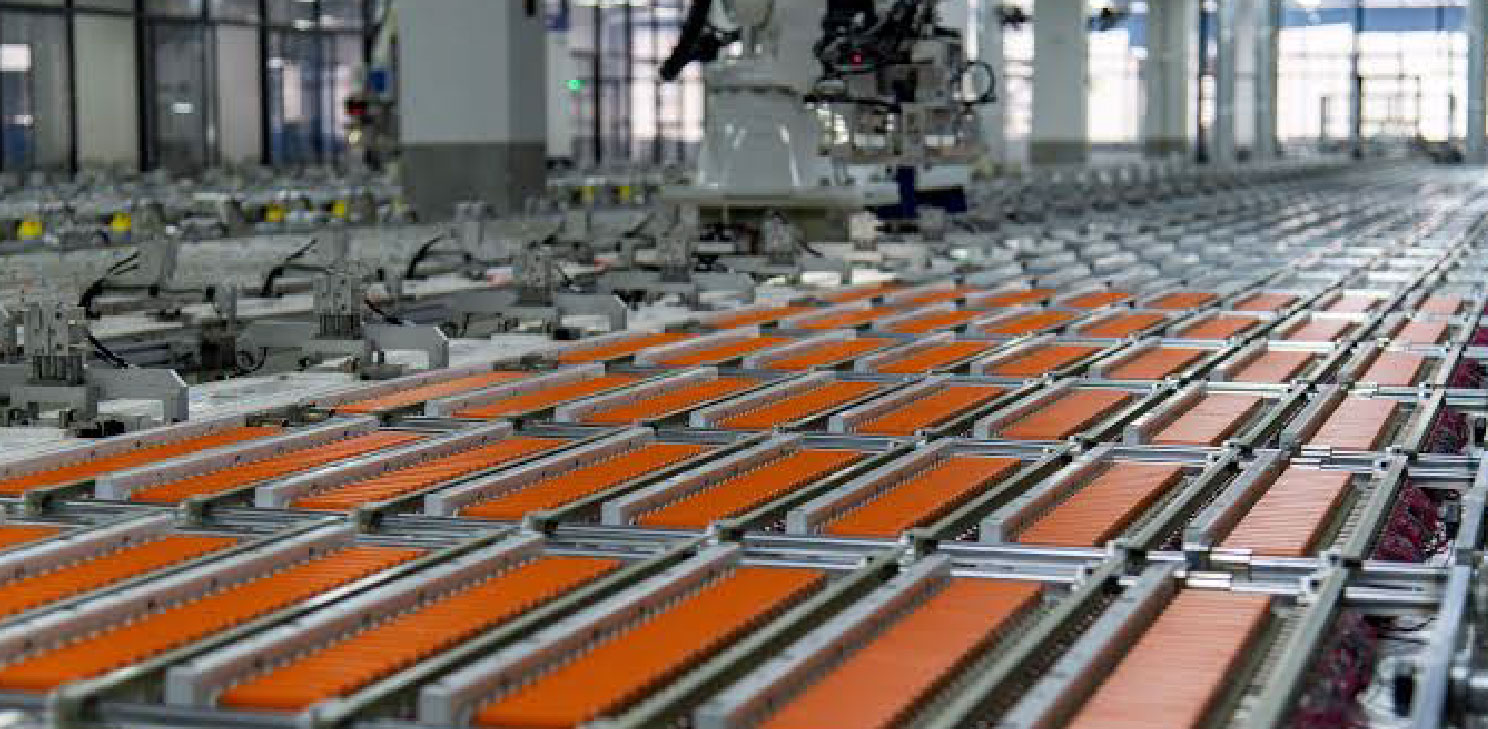
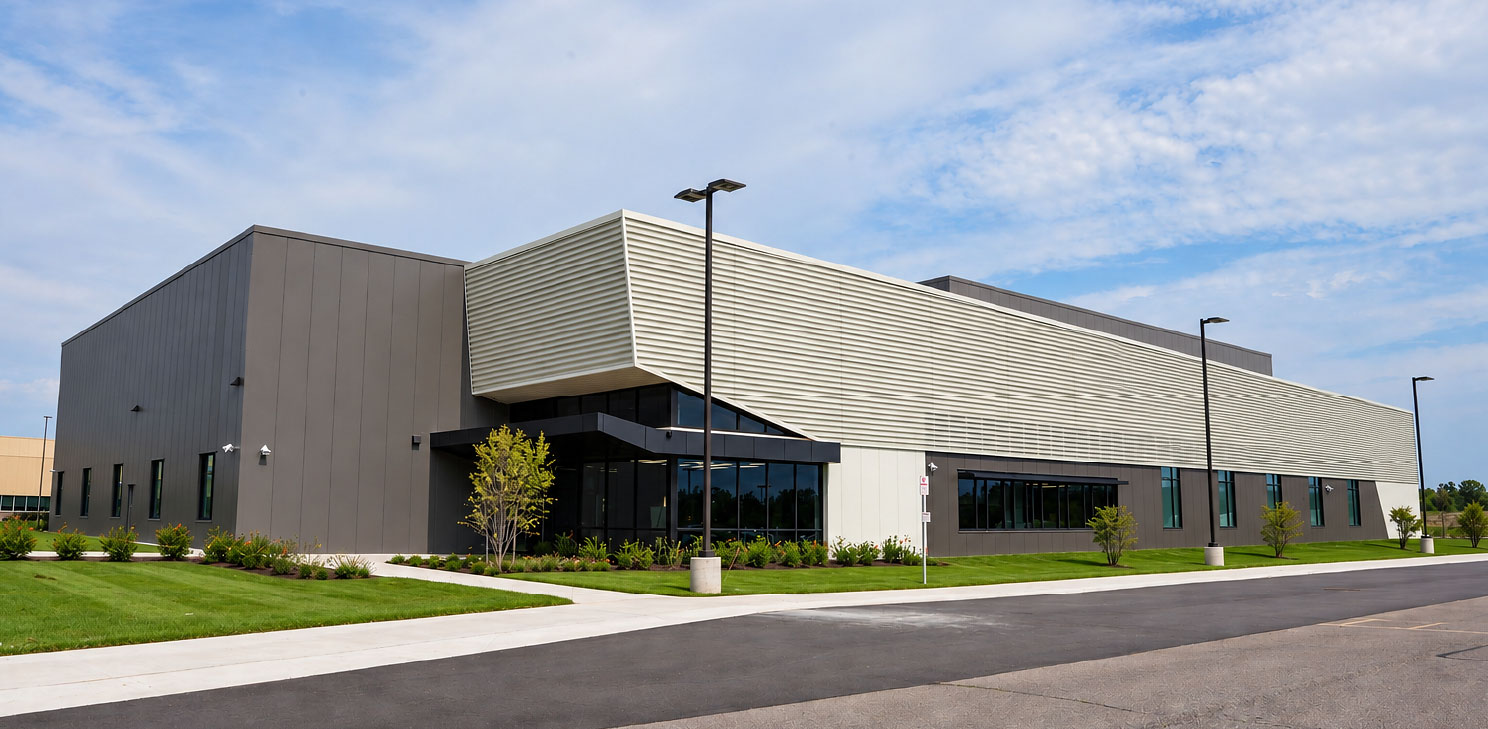
Toyota Motor North America officially opened its Toyota Battery Center of North America (TBC) on October 1, marking an expansion of the automaker’s battery development capabilities and its commitment to electrification in the region. The 30,000-square-foot, $50 million facility is located at Toyota’s existing R&D headquarters in York Township near Saline, less than an hour’s drive from Detroit (and a 20-minute drive from this writer’s office in Ann Arbor). The center will serve as a central hub for battery evaluation and development across the full lifecycle—from raw material sourcing to customer applications and recycling.
Strategic investment amid market transition
The facility opening comes as the US EV market navigates a complicated transition period. As we’ve reported, though EV sales continue to grow in absolute numbers, adoption rates have fallen short of earlier industry projections, with consumers citing concerns about vehicle cost, charging infrastructure availability, and range anxiety.
At the same time, Chinese manufacturers have emerged as formidable competitors in EV and battery technology, leveraging significant government support, integrated supply chains, and aggressive pricing strategies. This competitive pressure has intensified calls for domestic investment in battery R&D and manufacturing capabilities.
In response to these market dynamics, automakers have recalibrated their electrification strategies. Some have delayed all-electric model launches or scaled back production targets, while others have renewed focus on hybrid technologies as a bridge solution. Toyota’s approach—maintaining what it calls a “multi-pathway strategy”—positions the company to serve diverse customer needs across the electrification spectrum.
The new Michigan facility directly supports this strategy by enabling development and testing across multiple powertrain technologies simultaneously. This flexibility may prove advantageous as market preferences continue to evolve and as different regions adopt electrification at varying paces.
The investment also aligns with broader industry efforts to localize battery development and manufacturing in North America, reducing dependence on overseas supply chains and positioning domestic facilities to respond more quickly to regional market demands and regulatory requirements.
While the Michigan facility represents a significant commitment to R&D, Toyota’s largest battery investment remains in North Carolina, where the company has invested nearly $14 billion in a battery production facility with plans for more than 5,000 jobs.
Comprehensive testing capabilities
Engineers and technicians at the facility will assess battery performance and develop technologies for hybrid, plug-in hybrid, hydrogen, and fully electric vehicles. The center will support Toyota’s North American manufacturing network, including battery manufacturing operations in North Carolina and vehicle assembly plants across the continent.
“Toyota has long been at the forefront of battery development,” stated Keita Moritsu, Senior Vice President and Chief Technology Officer at Toyota Motor North America R&D. “This center is where that leadership expands to North America — and where we’re building its next chapter.”
Jordan Choby, Group Vice President of Powertrain, emphasized the customer benefits of having advanced testing capabilities closer to North American operations. “For Toyota customers, this facility means Toyota engineers can detect and resolve field concerns faster and closer to the source,” Choby stated. “It also means we can develop longer-lasting batteries designed to perform in the conditions American drivers face every day.”
In an interview with WXYZ, Choby added: “We’re now the bridge between some of the most advanced battery development teams and our North American manufacturing.”
Strategic location and political support
Toyota first announced plans for the battery center in 2023. The company’s decision to locate the facility in Michigan reflects the state’s automotive ecosystem advantages, including supplier networks and university partnerships.
The center represents the latest milestone in Toyota’s more than 50-year history in Michigan, where the company now employs 2,000 people on its York Township campus, according to WEMU.
Michigan Governor Gretchen Whitmer attended the grand opening ceremony and praised the investment as strengthening the state’s leadership in advanced automotive manufacturing. “We are proud to welcome this investment by Toyota that positions Michigan as the best place to build the future,” Whitmer stated.
Congresswoman Debbie Dingell (D-MI 6) emphasized the facility’s role in maintaining American competitiveness against foreign rivals. Investments like this one from Toyota will help keep out Chinese influence in electric vehicle technology, Dingell said, according to WEMU.
The battery center “is a tangible representation of what it means to keep Michigan at the cutting edge of innovation,” Dingell said. “This facility is creating good-paying high-tech jobs, supporting American manufacturing, and ensuring that the next generation of automotive innovation happens right here in Michigan.”
Academic partnership and workforce development
Toyota will provide research access to the University of Michigan Electric Vehicle Center, allowing students and research partners to benefit from the facility’s testing and evaluation capabilities. As a founding member of the Electric Vehicle Center, this collaboration is part of Toyota’s commitment to developing the next generation of battery engineers and technicians in Michigan.
“Researchers and students will work alongside industry experts to research cutting-edge technology, and this partnership will prepare students to tackle the biggest challenges of the future, right here at home,” Whitmer said, according to WEMU.
The Michigan battery center will support evaluation of batteries produced at the North Carolina facility as well as Toyota’s vehicle manufacturing plants across North America.
To find out more about the latest gigafactory updates and innovations, meet with solution providers and hear talks from industry leaders, attend the 7th BATTERY GIGAFACTORY Summit USA: Advances in Planning, Engineering and Operations, taking place on November 18-19, 2026, in Nashville, Tennessee, USA.
For more information, visit our website or email us at info@innovatrix.eu for the event agenda. Visit our LinkedIn to stay up to date on our latest speaker announcements and event news.
Source: