Biotechnology is advancing faster than the facilities, labs, and platforms built to support it. For organizations across pharmaceutical manufacturing, biotech research, and healthcare delivery, future-proofing biotech infrastructure has shifted from a one-time upgrade to an ongoing strategic priority.
Why Future-Proofing Biotech Infrastructure Matters
Biotechnology and its applications are evolving rapidly, transforming industries including medicine through products and processes that did not previously exist. Within healthcare specifically, biotech has already increased medical personalization and enabled individually designed treatments. Pairing biotech with AI and big data is now helping the industry process the complex data generated across healthcare, unlocking richer patterns for treatment. The long-term goal for many experts is moving beyond preventing health issues toward genuinely predicting them — a shift that only works if the underlying infrastructure can keep pace.
Designing Facilities That Can Absorb Shock
Physical resilience is the foundation of any future-proofing strategy. Healthcare facilities constantly face challenges ranging from extreme weather and aging infrastructure to supply chain disruptions and rising demand, all of which can affect operational continuity and patient outcomes. Comprehensive asset data allows leaders to assess the condition, replacement value, and useful life of critical equipment and building systems. Layering a risk-ranking framework onto capital planning helps organizations identify which assets pose the greatest compliance or safety exposure if they fail. Building contingency plans — including emergency funds, reliable supplier relationships, and operational redundancies — helps facilities weather disruptions without derailing long-term projects, and engaging clinical, operational, and financial stakeholders together improves both planning accuracy and buy-in for investment.
Sustainability as an Infrastructure Pillar
Future-proofing also means designing for a world of rising demand and tighter resources. The UN projects the global population will grow to 10.3 billion by the mid-2080s, with the elderly population doubling over that time, driving demand for new and specialized medicines. At the same time, pharmaceutical manufacturing is heavily water- and energy-intensive, placing pressure on already stressed infrastructure. Genuine future-proofing isn’t about preparing for a static state where familiar technology treats familiar conditions — it means combining agility with reliability and continuously optimizing resource use to build sustainable, resilient operations.
Automating the Lab and the Supply Chain
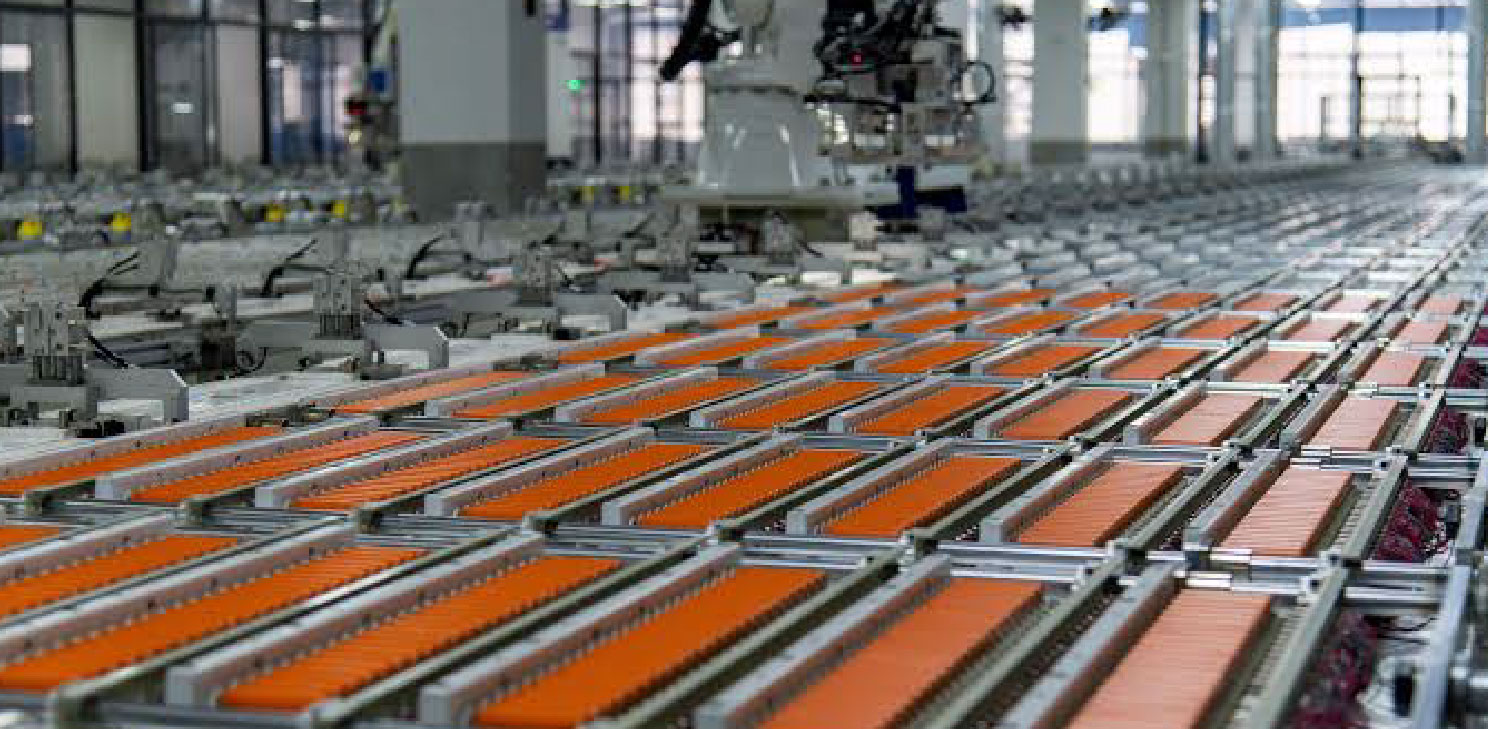
Creating flexible lab systems — including shared, hub-based access to data and equipment — removes the physical restrictions of a single site and opens the door to collaboration across multiple labs. Workflow automation, when properly synchronized across manufacturers and partners, boosts productivity, reduces the risk of human error, and frees lab staff to focus on higher-value analysis rather than manual data handling. Capturing detailed data across every research process also builds a digital record that supports troubleshooting and future decision-making.
This extends beyond the lab bench. Industry forecasts point to a global CDMO market reaching $275 billion, driven partly by large biotech and pharma companies outsourcing non-core manufacturing to free up resources for research. At the same time, geopolitical pressure is pushing companies toward reshoring production and building mirrored manufacturing sites, so operations can shift quickly if one region faces disruption.
Building Secure, Connected Digital Platforms
Underpinning all of this is digital infrastructure. Healthcare technology leaders are navigating interoperability mandates, accelerating AI adoption, and rising cybersecurity threats, all of which are forcing organizations to rethink how their technology foundations are built. Future-proofing infrastructure today is less about anticipating a single system upgrade and more about designing for continuous evolution.
Bringing It Together
Future-proofing biotech infrastructure isn’t a single project with a finish line — it’s a continuous discipline spanning resilient facilities, sustainable operations, automated labs, and secure digital platforms. Organizations that treat these elements as interconnected, rather than isolated initiatives, will be best placed to adapt as the science, the regulations, and patient expectations keep changing.
To explore how technologies such as AI, automation, BIM, prefabrication, and data-driven facility management are improving efficiency, accelerating project timelines, and enhancing operational performance across life sciences environments, meet with solution providers and hear talks from industry leaders, attend the Life Sciences Facility Design & Construction Summit USA, taking place November 4-5, 2026, in Raleigh, North Carolina, USA.
For more information, visit our website or email us at info@innovatrix.eu for the event agenda. Visit our LinkedIn to stay up to date on our latest speaker announcements and event news.