Innovatrix brought our successful Constructing Green Data Centers Summit to Europe for our second edition of the conference, with our event taking place October 14-15, 2025, in Berlin, Germany. Our delegates arrived to the Eurostars Berlin hotel ready to connect with professionals from data center operations, infrastructure design, engineering, IT management, energy efficiency, security, and emerging technology providers.
Our audience explored smart and green solutions for constructing new modern data centers along with retrofitting, and shared their insights on topics such as innovations in modular buildings, liquid cooling, renewable energy, waste management, compliance with EU sustainability directives and ESG reporting.
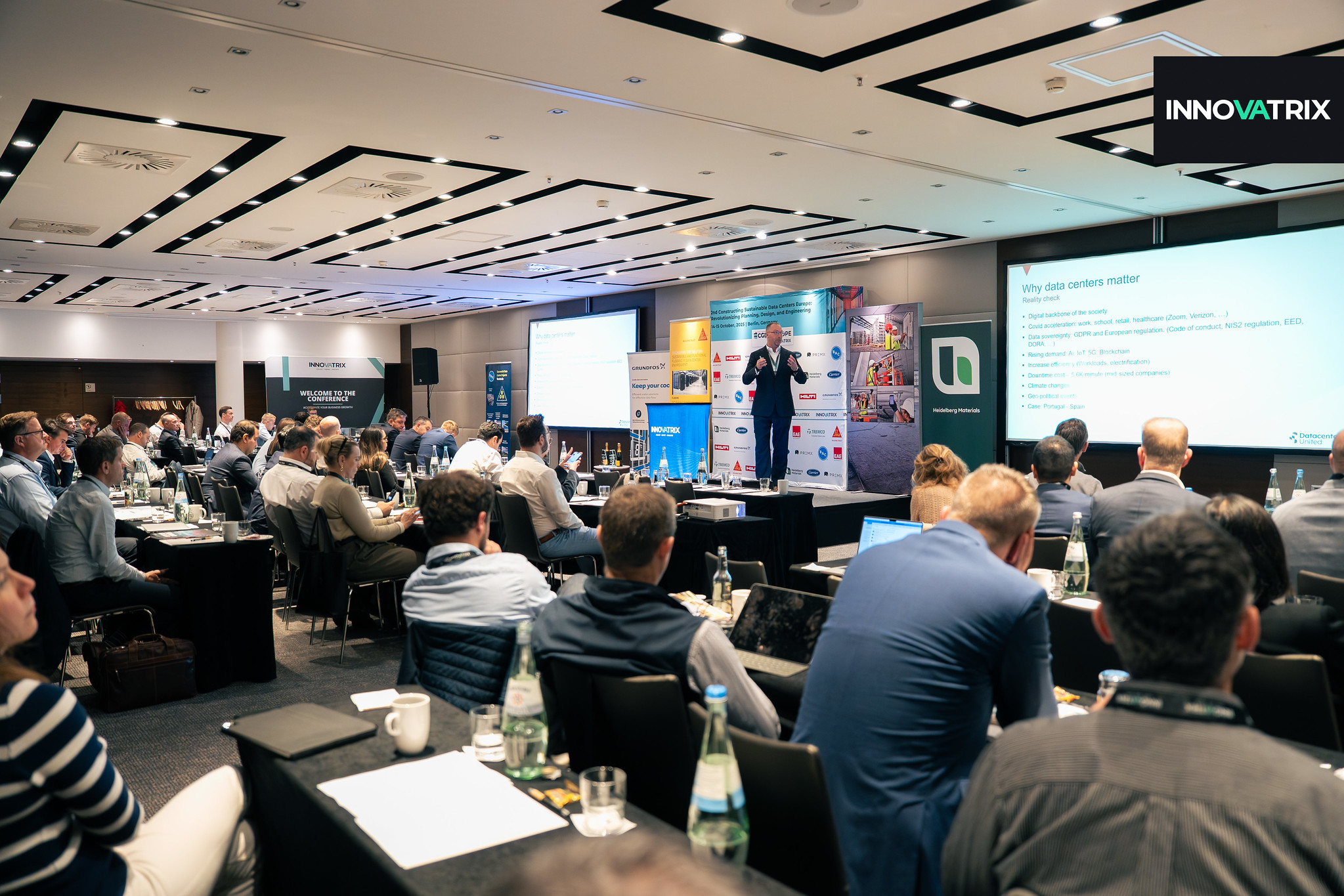
This article will provide a session recap for those who didn’t get the chance to attend and serve as a reminder for those who attended.
The Present and Future of Digital Infrastructure and Digital Economies
Roger Strukhoff, Chief Research Officer at International Data Center Authority (IDCA)

Roger highlighted the accelerating growth of the global data centre sector and its critical role in the digital economy. Currently accounting for around 15% of global GDP, the digital economy is projected to reach 30% by 2030, supported by a potential fivefold expansion in data centre capacity. Global capacity stands at approximately 60GW today, with the United States dominating nearly half of this footprint.
Artificial intelligence is a major driver of future demand, with projections calling for an additional 240GW of capacity by 2030, representing at least $2.4 trillion in investment. Around 70% of this new capacity is expected to support AI workloads, with North America leading deployment.
Strukhoff stressed that sustainability remains the defining challenge, essential to ensuring responsible and scalable growth. He also noted significant regional variation, with leadership in Scandinavia, Canada, and emerging markets such as Rwanda and Brazil.
He concluded by outlining five pillars for success: developing a national digital economy roadmap, establishing standards, investing in education, strengthening power infrastructure, and building interconnected data centre ecosystems.
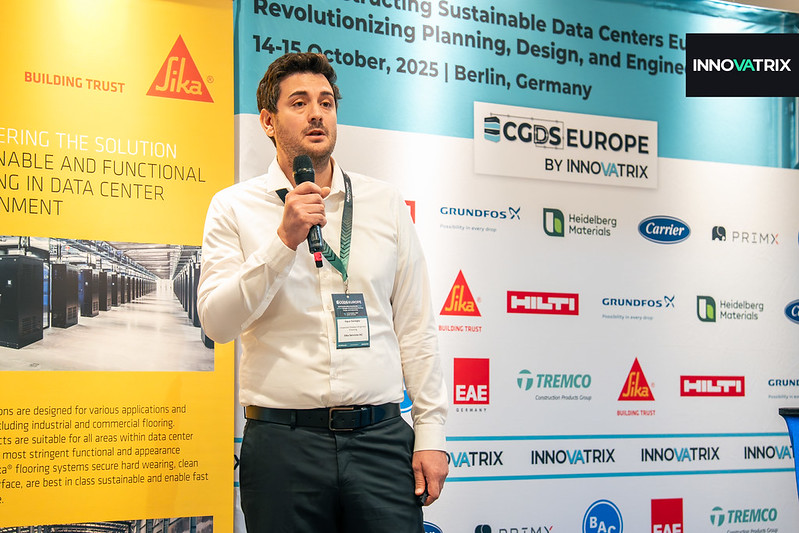
Flooring Solutions for Data Centers
Ari Tanttu, Corporate Market Development Manager at Sika Services AG, and Oguz Sarioglu, Corporate Product Engineer at Sika Services AG

Ari and Oguz presented on the critical role of sustainable flooring solutions in modern data centre construction. Drawing on extensive experience—over 1,000 Sika products installed across facilities and 5.5 million m² of roofing systems—they highlighted the scale of investment in the sector, projected to reach CHF 810 billion by 2028.
The speakers emphasised the stringent requirements for data centre server room flooring. Surfaces must be hard, dense, dust-free, and resistant to abrasion, while also ensuring fire safety and electrical conductivity. Clean, particle-free environments are essential to protect sensitive equipment. In parallel, rapid construction timelines are vital to enable swift operational readiness, while sustainability considerations demand low carbon footprints and reduced lifecycle impacts. Cost efficiency is also key, with a focus on durability and ease of maintenance.
A central focus was conductive resin flooring, designed to mitigate electrostatic discharge (ESD) risks. These systems protect both equipment and personnel, particularly in low-humidity environments where static build-up is high. Compliance with international standards ensures safety in hazardous (ATEX) environments, reducing the risk of sparks, explosions, and electrical hazards.
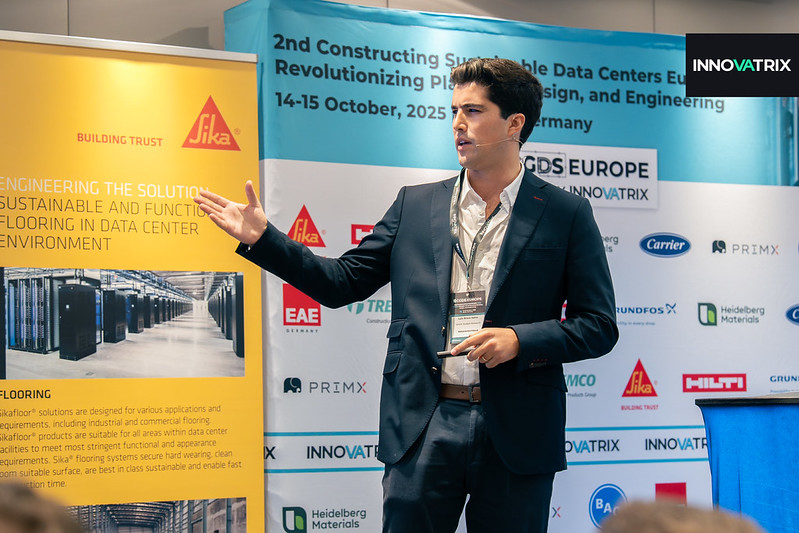
Optimized Execution Strategy for the Design and Construction of a Data Center
Manuel Giménez Rasero, CEO Data Center at ACS Digital & Energy

Manuel outlined practical strategies for improving efficiency across data centre design and construction. He emphasised the importance of integrating both phases through centralised platforms, streamlined services, and accelerated processes. A strong “basis of design” approach—globally repeatable yet locally optimised—was highlighted as key to reducing delays and ensuring consistency across projects.
To optimise resource allocation and control costs, Rasero pointed to modularisation and off-site prefabrication as critical enablers. Solutions such as electrical modular buildings (EMODS), which house essential systems like generators, UPS units, and switchgear, allow for full off-site assembly and faster on-site deployment. Similarly, modular chiller platforms improve installation efficiency. He also stressed the value of global procurement strategies, enabling better visibility of supply chains, improved contract terms, and proactive risk mitigation.
Addressing project risks, Rasero underscored the importance of early planning to avoid permitting delays and associated cost overruns. On-site management practices were equally vital, including structured worker orientation, proper facilities, and maintaining clean, organised environments. These measures support safety, productivity, and overall project delivery performance.
Reducing Embodied Carbon Emissions in Data Centers with evoZero: A Carbon-Captured Cement and Concrete Solution
Mehboob Nawaz, New Business Development Manager at Heidelberg Materials

Mehboob addressed the growing challenge of embodied carbon emissions in data centre construction. He noted that approximately 9.8 million tonnes of CO₂ are emitted to meet current global demand, with a significant rise in Scope 3 emissions driven by the production of construction materials and hardware such as servers and semiconductors.
A major contributor to these emissions is concrete, particularly through fuel use and calcination during clinker production. Nawaz highlighted the urgency of addressing this impact as data centre expansion accelerates globally.
He outlined key strategies for reducing emissions across the cement and concrete lifecycle, focusing on carbon capture, utilisation, and storage (CCUS). These approaches aim to capture CO₂ during industrial processes, repurpose it into useful applications, or store it safely to prevent atmospheric release.
Nawaz also emphasised the role of carbon capture cement as an immediate, practical solution. Offering identical performance to conventional cement and full compliance with established standards, it requires no redesign or additional approvals. This enables developers to reduce embodied carbon from the outset, supporting more sustainable data centre construction without compromising performance or timelines.
Be ready for the future – NVIDIA GPU rack-scale systems and datacenter requirement outlook
Arts Yang, Principal Architect, Systems at NVIDIA

Arts presented an overview of next-generation GPU rack-scale systems and their implications for data centre design. The session introduced NVIDIA’s latest portfolio, including the NVIDIA Blackwell platform and advanced systems such as the DGX GB300 and DGX B300, designed to support increasingly demanding AI workloads.
Net-Carbon-Negative Concrete Solution for Sustainable Data Centers
Artjoms Smirnovs, Head of Marketing and Global Accounts at Primekss

Artjoms examined the structural and environmental limitations of traditional concrete in data centre construction. He identified shrinkage as the primary cause of deformation, leading to issues such as curling, joint expansion, and increased maintenance requirements. Conventional solutions—such as thicker slabs and additional steel reinforcement—raise embodied carbon while failing to fully resolve these challenges.
Smirnovs noted that cement production alone accounts for approximately 8% of global man-made CO₂ emissions, highlighting the urgency of reducing material use. Traditional concrete systems also require smaller panel sizes, resulting in more joints, slower construction, and higher lifecycle costs due to ongoing repairs and re-sealing.
As an alternative, he introduced PrīmX® technology, inspired by ancient Roman methods of controlling shrinkage. This chemically post-tensioned concrete enables jointless, zero-shrinkage slabs with improved flatness and durability. The approach reduces material consumption, lowers CO₂ emissions, and extends performance over the building lifecycle.
A case study in Ontario demonstrated tangible benefits, including a 38% reduction in embodied carbon, 16% faster construction, and significantly reduced maintenance due to fewer joints.
EMEA Data Center Market Trends
Luis Bravo Sainz, Senior Analyst Research at datacenterHawk

Luis provided a comprehensive overview of data centre activity across Europe, the Nordics, Southern Europe, and the Middle East. He highlighted that Europe is set to exceed 11,000 MW of live capacity in 2025, with over 20,000 MW in development, driven largely by AI-led hyperscale investment.
Core markets such as Frankfurt and London remain dominant, though constrained by power and land availability, prompting expansion into secondary cities. Amsterdam continues to serve as a key hyperscale hub despite regulatory challenges, while Paris is experiencing strong AI-driven growth. Dublin, however, faces ongoing development restrictions due to infrastructure limitations.
In Southern Europe, cities such as Zaragoza, Madrid, Milan, and Lisbon are gaining traction due to renewable energy access, connectivity, and favourable policies. The Nordics continue to attract investment through sustainable energy and strong connectivity, with Sweden and Norway leading regional growth.
In the Middle East, the United Arab Emirates and Saudi Arabia are emerging as major players, supported by national digital strategies and AI ambitions. Overall, Sainz emphasised a shift towards emerging markets, underpinned by energy availability, connectivity, and geopolitical positioning.
High Density Cooling for a Sustainable World
Tom Bosmans, Business Development Manager at BAC

The presentation examined accelerating data centre demand, driven by AI and generative AI workloads, which are to exceed 50% of the market by 2030. Combined core, cloud, and other workloads are projected to approach 48GW, signalling a major shift towards high-density computing environments.
A central focus was the evolution of cooling technologies. Transitional solutions such as rear-door heat exchangers remain relevant, but the industry is rapidly advancing towards liquid-based systems. Cold plate cooling circulates water directly to server components, while immersion cooling submerges equipment in dielectric fluid for highly efficient heat removal. Liquid cooling was highlighted as a scalable and cost-effective approach, compatible with both new and legacy infrastructure, offering up to 20% overall power savings and significantly reducing noise levels. Cooling system energy consumption can be reduced by as much as 80%.
Sustainability remains a critical challenge, particularly in AI and high-performance computing environments. Key priorities include improving Power Usage Effectiveness (PUE), reducing Water Usage Effectiveness (WUE), and lowering carbon emissions.
The speaker emphasised that successful adoption depends on selecting the right partners—those with strong technical expertise, global delivery capability, and a clear commitment to sustainability—ensuring efficient transition from air-cooled to liquid-cooled data centres.
Green Power Supply & PPAs for Data Centers – Moving towards 24/7 carbon-free energy
Helene Do, Renewables Originator at ENGIE Supply & Energy Management

Helene addressed the accelerating transition towards green power procurement for data centres, particularly through Power Purchase Agreements (PPAs) and 24/7 carbon-free energy models.
She highlighted that electricity demand from data centres is projected to increase by up to 55% by 2030, rising from 20TWh in 2024 to 31TWh annually. This surge is driven by rapid digitalisation and AI workloads, intensifying pressure on energy systems and decarbonisation commitments. While corporate climate targets, including Science Based Targets initiative (SBTi) commitments, have more than doubled in recent years, many organisations still struggle to demonstrate measurable progress to stakeholders.
Do outlined current procurement mechanisms, including Energy Attribute Certificates and PPAs, as foundational tools for sourcing renewable energy. However, she emphasised the growing importance of moving beyond annual matching towards true 24/7 hourly carbon-free energy alignment.
This advanced approach links renewable generation and consumption on an hourly basis, using a mix of existing and newly developed renewable and flexible assets. It enables organisations to achieve verified annual renewable targets while embedding green energy directly into operational and hedging strategies, supporting both emissions reduction and system-wide decarbonisation.
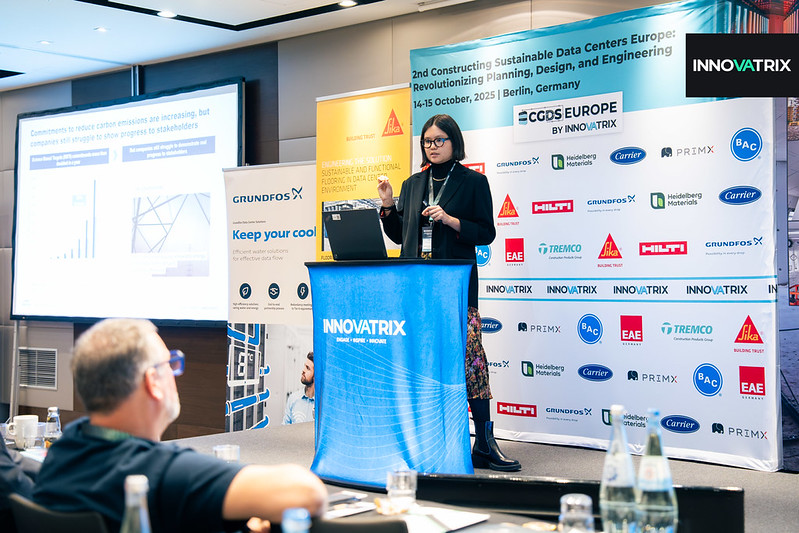
Sustainable Water Solutions
Nico Verdonck, Senior Sales Developer at Grundfos

Nico presented sustainable water and cooling strategies tailored for data centre environments, with a focus on improving both Power Usage Effectiveness (PUE) and Water Usage Effectiveness (WUE).
He outlined an end-to-end approach to water management across data centre cooling systems: sourcing, treating, distributing, and discharging. Efficient sourcing ensures water is delivered at the correct flow, pressure, and timing, while treatment processes aim to maintain quality using fewer chemicals and reduced waste. Distribution focuses on optimising flow dynamics and temperature control (delta T) in the most energy-efficient manner, and discharge strategies prioritise water reuse through integration with rainwater harvesting and recycling systems.
A key innovation highlighted was Distributed Pumping, a decentralised approach to chilled water circulation. This system removes unnecessary control valves and balances flow between primary and secondary circuits, enabling more precise and efficient cooling performance.
Benefits include reduced pumping energy consumption, improved system balance, optimised delta T control, and enhanced modularity. By eliminating back pressure and enabling automated flow adjustment, distributed pumping delivers significant energy savings and improves overall cooling efficiency, supporting more sustainable, scalable data centre infrastructure.
The 5-Year Change – A view of the DC industry from a 2020 snapshot, to today’s landscape
Catriona Shearer, Global Head of Data Centre Consulting at JLL

Catriona provided a five-year retrospective (2020–2025) of the European data centre landscape, highlighting the combined impact of regulatory evolution, geopolitical shifts, economic volatility, talent shortages, and rapid changes in facility design, scale, and technology. Over this period, the sector has moved towards larger, more complex, and more energy-intensive infrastructure, increasingly shaped by sustainability requirements and AI-driven demand.
Looking ahead, she outlined that the next five years will be defined by intensified sustainability pressure alongside structural constraints in power availability, water scarcity, regulatory complexity, and ongoing skills shortages. These challenges are expected to significantly influence investment patterns and design approaches, pushing the industry towards more efficient, adaptable, and resource-conscious solutions.
A strong emphasis was placed on organisational mindset and collaboration as essential enablers of progress. Key principles for navigating the next phase include maintaining agility in a rapidly changing environment, broadening strategic perspectives, continuously adapting and evolving practices, and ensuring clearer visibility and intentionality in decision-making. Simplification of processes and stronger cooperation across stakeholders were also identified as critical.
Overall, the outlook suggests that success will depend not only on technological advancement, but also on coordinated industry response to systemic environmental, regulatory, and operational pressures.
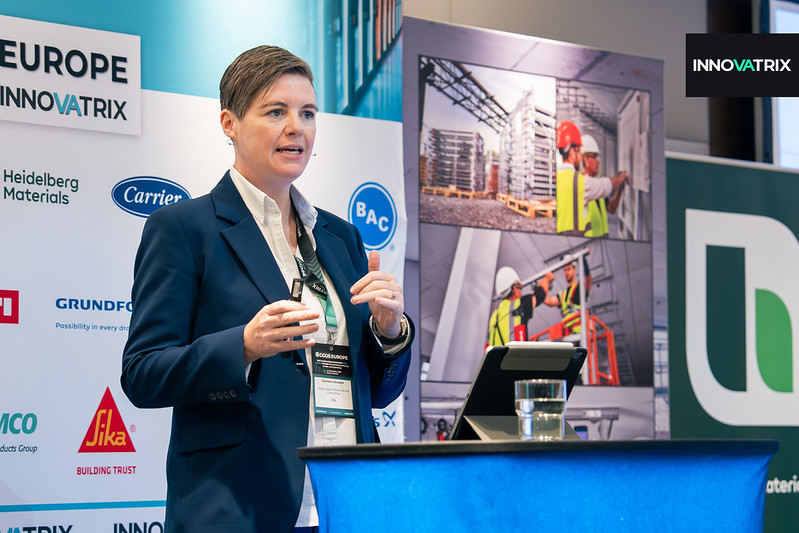
Confronting Europe’s Data Centre Supply Shortage
Edward Galvin, Founder & Chief Evangelist at DC Byte

The presentation examined the current and projected supply–demand imbalance across Europe and the broader EMEA data centre market. Demand continues to be led by public cloud growth, with hyperscalers expanding at an average of 27%, while artificial intelligence workloads are rising rapidly and reshaping capacity requirements. Although live capacity is increasing, early-stage pipeline projects are not converting fast enough to meet future demand.
A key issue identified is structural supply constraint. Power grid infrastructure is a major bottleneck, with utilities operating on 10–20-year upgrade cycles compared with the 1–3-year development cycle of data centres. The increasing reliance on intermittent renewable energy sources further complicates alignment with continuous data centre baseload demand. In addition, regulatory delays around small modular reactors (SMRs) are pushing potential long-term solutions further into the future.
Mechanical and electrical (M&E) equipment shortages present another constraint, with lead times of 2–3 years exacerbated by tariffs and skilled labour shortages. GPU supply constraints add further pressure, driven by high demand, limited suppliers, and short hardware lifecycles of 1.5–2 years due to intensive utilisation.
Proposed solutions include regulatory reform to incentivise grid participation and backup power contribution, expansion of on-site or private power generation, and wider adoption of heat reuse systems. Workforce development, more efficient AI models, and alternative financing structures such as GPU leasing were also highlighted as potential enablers to ease supply pressures.
Designing Data Centers for Long-Term Growth
Phillip Ross, Senior Director Design at AtlasEdge, and Luke Armstrong, Technical Director at Black & White Engineering

The pair explored how data centre design must evolve to meet escalating demands for scalability, energy efficiency, and technological resilience.
They emphasised that true scalability extends beyond capacity expansion, requiring a fundamental redesign of infrastructure to anticipate unpredictable future workloads, particularly those driven by AI and high-performance computing.
Energy efficiency was identified as a critical priority, with data centres already consuming around 4% of global electricity. Regulatory pressure is increasing, notably through Germany’s Energy Efficiency Act (EnEfG), which mandates an annualised PUE target of 1.2 for new facilities by 2026. In response, operators are increasingly adopting renewable energy strategies and committing to zero-carbon operations, alongside optimising PUE, improving server utilisation, and shifting workloads to more efficient environments.
Technological innovation is central to addressing rising power densities. Liquid and immersion cooling systems are gaining traction, supporting rack densities exceeding 600kW while significantly reducing energy consumption compared to air cooling. Advances in chip-level cooling and AI-optimised design tools are further improving efficiency and accelerating project delivery.
Looking ahead, distributed AI architectures, quantum computing, microreactors, and advanced energy storage were identified as transformative technologies. The speakers concluded that adaptability and innovation will be essential to overcoming regulatory, power, and infrastructure constraints.
Biodiversity’s Role in Sustainable Value Creation
Martina Therese Kiehas, PhD, Head of ESG at maincubes

The presentation highlighted the growing importance of biodiversity as a material factor influencing data centre business resilience, risk exposure, and long-term sustainability strategy.
It was emphasised that biodiversity directly affects core operations through multiple risk channels. These include physical risks such as natural disasters—where ecosystems like peatlands play a critical role in flood mitigation—as well as supply chain risks linked to reduced availability of raw materials. Reputational and “licence to operate” risks were also underscored, particularly where biodiversity degradation leads to community opposition. Conversely, biodiversity presents opportunities, including stronger branding, improved stakeholder trust, enhanced resilience through corporate foresight, and reputational gains from proactive environmental stewardship.
Across the data centre lifecycle, biodiversity considerations influence material sourcing (including deforestation impacts), contractor ESG performance, proximity to protected or sensitive ecological areas, and site selection. Additional levers include lifecycle assessments, engagement with contractors on environmental impacts, preservation of unsealed land, integration of wildlife-supportive design features, and ongoing dialogue with local communities.
In terms of ESG reporting, biodiversity remains at an early stage of maturity, with limited and often qualitative disclosure across the industry. However, it is increasingly embedded in frameworks such as GRI and CSRD, while the TNFD LEAP approach (Locate, Evaluate, Assess, Prepare) is gaining traction. It is also reflected in ratings systems such as EcoVadis and CDP, and is beginning to influence certification schemes like LEED v5, signalling growing institutional recognition of nature-related risks and responsibilities.
End-to-end project efficiencies to tackle the carbon & labor challenge
Rush Nathan, Global Business Development Director for Data Centres at Hilti

Rush addressed the interconnected challenges of carbon emissions, labour constraints, and cost pressures in data centre design and construction.
He emphasised that embodied carbon from construction materials is now comparable to operational emissions, yet has historically been under-recognised. However, increasing regulatory scrutiny and customer expectations are rapidly shifting focus towards embodied carbon reduction.
Nathan outlined that early-stage engineering and off-site manufacturing can significantly reduce labour requirements, material usage, and embodied carbon simultaneously. He presented a sustainability continuum ranging from “build nothing” and reuse of existing assets to sustainable new construction, highlighting the importance of prioritising efficiency and reuse where possible.
Key strategies include early value engineering through collaborative design to achieve more with fewer resources, and greater adoption of Design for Manufacture and Assembly (DfMA) approaches to enable off-site prefabrication, improved safety, and reduced on-site labour. Modular, lower-carbon solutions were also highlighted, particularly through optimised use of steel and concrete.
Finally, he stressed the importance of measurement and standardisation, including whole-life carbon assessments (WBLCA), environmental product declarations (EPDs), and scalable best-practice frameworks to enable consistent reduction in carbon, cost, and labour across projects.
AI & Sustainability – How do we leverage AI to drive sustainable growth?
Stephan Adam, Vice President Business Operations at maincubes

The presentation explored data centre energy use trends, the accelerating impact of artificial intelligence, and the role of AI in enabling more sustainable digital infrastructure.
It was highlighted that AI is a key driver of rising data centre energy demand, but it also offers significant opportunities to improve efficiency and reduce emissions. Within data centre operations, machine learning, reinforcement learning, and model predictive control techniques can optimise cooling systems, delivering energy savings of between 10% and 40%. These approaches are most effective when combined with real-time sensor data and closed-loop control systems, as already demonstrated in large-scale deployments by operators such as Google and Microsoft.
Carbon-aware scheduling was identified as another major optimisation strategy, enabling flexible workloads to be shifted to times and locations with cleaner electricity grids, thereby reducing emissions intensity without affecting performance. In parallel, grid-interactive operations position data centres as flexible energy assets capable of adjusting demand or supplying energy back to the grid, supporting renewable integration and system stability.
Beyond data centres, AI is increasingly used for grid optimisation, renewable forecasting, and demand balancing. In other sectors, it delivers substantial emissions reductions through applications in manufacturing, transport, buildings, and agriculture.
However, the presentation also noted the carbon cost of AI training and inference, emphasising the need to ensure efficiency gains outweigh growing computational demand.
AI’s Thermal Challenges: Designing Sustainable Cooling for Data Centers
Jérémie CHANG Vertical Marketing Manager – Data Center Carrier Klimatechnik GmbH

The presentation outlined how Carrier positions itself as a provider of low-carbon thermal management solutions for data centres, with its QuantumLeap platform designed to address rising AI-driven compute density and thermal loads.
The QuantumLeap solution integrates advanced chiller systems and liquid cooling technologies to support high-performance data centre environments while maintaining a focus on energy efficiency and reduced environmental impact. It is designed to enable operators to manage increasing heat loads associated with AI workloads while improving overall sustainability performance.
A key emphasis was placed on unlocking opportunities for low-carbon energy integration, particularly through waste heat reuse, which can be redirected into external heating networks or other useful applications. The system also incorporates smart thermal management strategies to optimise operational efficiency and reduce energy consumption across cooling infrastructure.
In addition, Carrier highlighted the importance of long-term system optimisation through dedicated service and support, ensuring sustained performance and reliability over time.
The presentation framed sustainable data centre design around three interdependent pillars—efficiency, control, and reliability—arguing that while each delivers value individually, their combined implementation enables optimal performance. This integrated approach was presented as essential for managing the increasing complexity and energy demands of modern AI-driven digital infrastructure.
Navigating NIS2 and digital sovereignty through IT Infrastructure
Alan Lucas, Chief Information Security Officer at Greenhouse Datacenters

Alan addressed the increasing cybersecurity risks facing the data centre and cloud infrastructure sector, highlighting a significant rise in cyberattacks alongside growing regulatory pressure under the EU’s NIS2 directive. As IT ecosystems become more complex and interconnected, organisations are required to make more strategic decisions to ensure seamless compliance and operational resilience.
A key theme was the importance of digital sovereignty, with Infrastructure-as-a-Service (IaaS) models positioned as a means to enhance control, security, and performance. The example of Worldstream illustrated how integrated infrastructure offerings can support secure and sovereign digital environments.
The presentation emphasised the value of ultra-fast, redundant, and secure connectivity, particularly through high-capacity subsea networks such as the IOEMA submarine cable system, enabling AI-ready infrastructure with improved resilience and performance.
Multi-level governance was identified as a critical enabler of trust, ensuring that security, compliance, and operational frameworks are embedded across all layers of infrastructure. This governance approach was framed as essential not only for regulatory alignment but also for enabling organisational agility and growth.
Overall, the session underscored that future-ready digital infrastructure must balance security, compliance, and sovereignty while maintaining speed and scalability in an increasingly high-risk cyber environment.
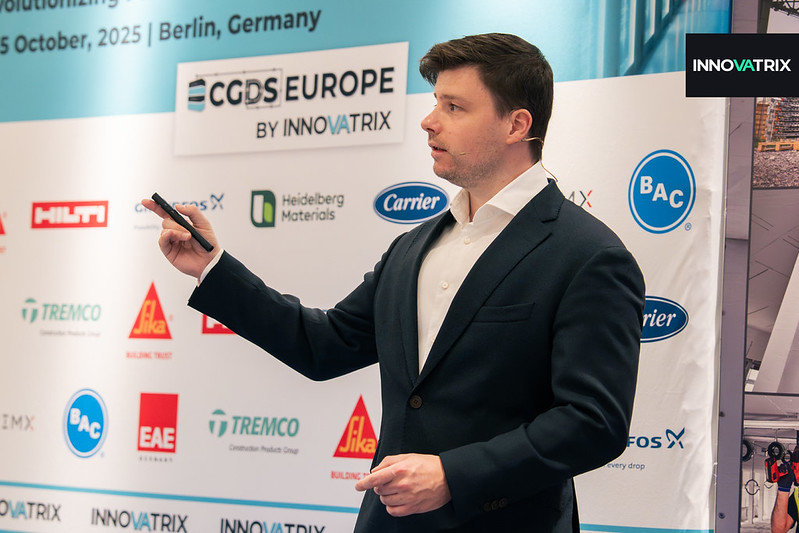
Sustainable Business Continuity for Resilient Operations
Xavier Warnier, CCO of Datacenter United

Xavier examined the evolving energy, infrastructure, and operational challenges facing data centres in Europe and Belgium, with a particular focus on efficiency, sustainability, and resilience.
A key concern is the rapid rise in energy demand, projected to increase from 3–4% of total consumption to 10–12% by 2030. This growth is being driven by electrification, AI workloads, and expanding digital services, placing significant strain on power grids. In response, the industry is prioritising improvements in cooling and water efficiency (PUE and WUE), alongside greater use of renewable energy and circular design principles.
Workload changes associated with the AI boom are reshaping infrastructure requirements, leading to increased adoption of modular and containerised data centre builds. Smarter energy systems, including battery energy storage systems (BESS), fuel cells, and micro-stations, are emerging as key enablers of flexibility and load balancing. At the same time, regulatory compliance, data control, and data repatriation are becoming more prominent strategic considerations.
The presentation also highlighted rising complexity across hybrid and multi-cloud environments, alongside increased cyber and physical security risks, grid congestion, legacy infrastructure constraints, and workforce shortages.
Overall, the sector is being driven by the need to balance sustainability and resilience, with a strong emphasis on business continuity through infrastructure redundancy, energy security, and operational robustness supported by people, processes, and technology.
Unlocking Sustainability: A Journey Inside a Cutting – Edge Datacenter
Michael Holm, Global Sector Lead at Telia Company

The presentation outlined a four-part framework for developing sustainable, high-performance data centres, focusing on foundation design, grid integration, waste heat recovery, and liquid-cooled AI infrastructure.
A key theme was the importance of location in determining energy efficiency and operational resilience. Optimal sites should offer stable conditions with minimal exposure to natural disasters, reliable grid access, proximity to renewable energy sources, and moderate climatic conditions that reduce cooling demands. Connectivity to nearby population centres was also highlighted as an advantage for energy reuse opportunities.
Grid integration was examined through the role of uninterruptible power supply (UPS) systems as active participants in energy networks. Modern DC UPS systems can act as fast-responding reserve capacity for national grids, with activation times of less than two seconds and short-duration support capabilities, enabling them to contribute to frequency stabilisation and grid balancing.
Waste heat recovery was presented as a major sustainability lever, transforming heat from data centre operations into a usable resource. By integrating heat pumps and district heating networks, waste energy can be redirected to nearby municipalities, improving Energy Reuse Factor (ERF) and reducing overall Power Usage Effectiveness (PUE).
Finally, the transition to liquid-cooled AI infrastructure was positioned as essential for supporting increasing compute density while maintaining energy efficiency and enabling sustainable scale-up of AI workloads.
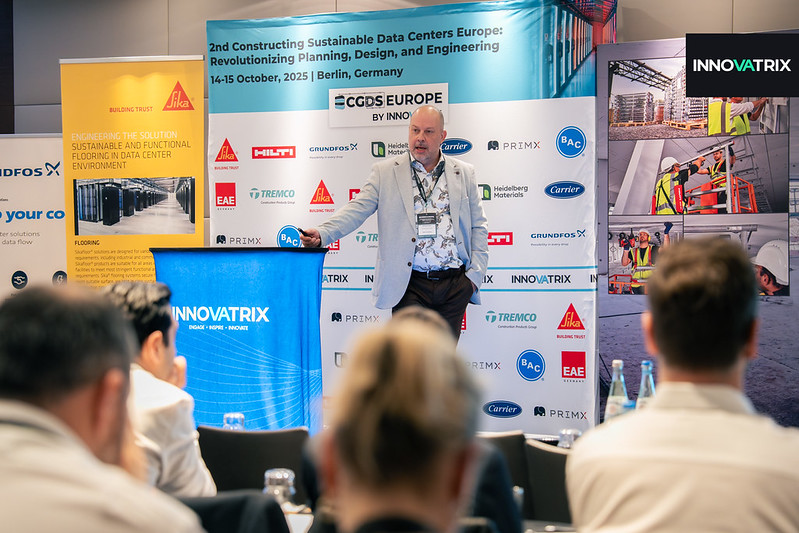
The Future of Sustainable Data Centers and the Energy Efficiency Directive
Isabelle Kemlin, Vice Chair Of The Board at Swedish Datacenter Industry

Isabelle outlined the accelerating role of data centres in the global economy and the increasing regulatory focus on sustainability across the European Union.
She noted that the data centre industry has already surpassed the combined scale of the mobile and internet sectors, with investment expected to double within five years, largely driven by rapid expansion in artificial intelligence workloads. This growth is significantly increasing power demand and placing greater emphasis on energy governance.
A sustainable data centre was defined as one that balances performance, resilience, and responsibility, while minimising carbon emissions, resource consumption, and broader environmental impact.
Kemlin detailed the EU Energy Efficiency Directive, which requires data centres above 500 kW IT load to report key performance indicators (KPIs) covering energy and resource efficiency. The directive supports the EU Green Deal and targets climate-neutral data centres by 2030, promoting standardisation, transparency, and continuous efficiency improvements.
Key metrics include Power Usage Effectiveness (PUE), Carbon Usage Effectiveness (CUE), Water Usage Effectiveness (WUE), and Energy Reuse Factor (ERF).
She also highlighted mandatory heat recovery requirements for larger facilities, encouraging integration with district heating systems, alongside emerging policy developments such as sustainability labelling schemes, minimum performance standards, and expanded renewable energy targets.
Everywhere and Nowhere: The Global Standards Dilemma
Gareth Evans, VP – HSE at Yondr

Gareth explored how cultural differences shape safety, leadership, and contractor performance across global data centre and construction projects, arguing that culture should be understood as operational context rather than a barrier.
It drew on Hofstede’s cultural dimensions framework to explain how national cultures influence working styles, decision-making, leadership expectations, and approaches to challenge and collaboration. These differences are not presented as stereotypes, but as statistically observed behavioural patterns that affect how rules and processes are interpreted and applied in practice.
A key theme was that identical management systems can produce different outcomes depending on cultural and organisational context. This becomes particularly important in complex, distributed supply chains, where high-risk activities often occur far from senior management oversight. The presentation emphasised that serious incidents are more likely to occur in operational environments than in planning settings, particularly where accountability is fragmented and those exposed to risk are not fully involved in decision-making.
The shift from control to coordination was positioned as essential for improving outcomes in global projects. Rather than attempting to enforce uniform control structures, leaders are encouraged to focus on synchronising understanding across organisational and cultural boundaries. Coordination was described as a deliberate design choice, requiring shared accountability, improved flow of information, and closer collaboration across the supply chain.
Sponsors
The 2nd Constructing Sustainable Data Centers Europe: Revolutionizing Planning, Design, And Engineering was supported by a wide range of sponsors who brought their teams to our exhibition hall, and Innovatrix would like to thank them again for their support.
If you want to attend our next summit serving the data center construction sector and have the opportunity to hear presentations like these and many more, join us for our next CGDSEU event, taking place in June, addressing these pressures and shaping the future of data center development across Europe. Discover the latest innovations and trends in smart and green solutions for constructing and retrofitting data centers, meet with solution providers and hear talks from industry leaders, attend the 5th Constructing Next-Gen Data Centers Europe: Revolutionizing Planning, Design, and Engineering, taking place June 9-10, 2026, in Berlin, Germany.
For more information, visit our website or email us at info@innovatrix.eu for the event agenda. Visit our LinkedIn to stay up to date on our latest speaker announcements and event news.