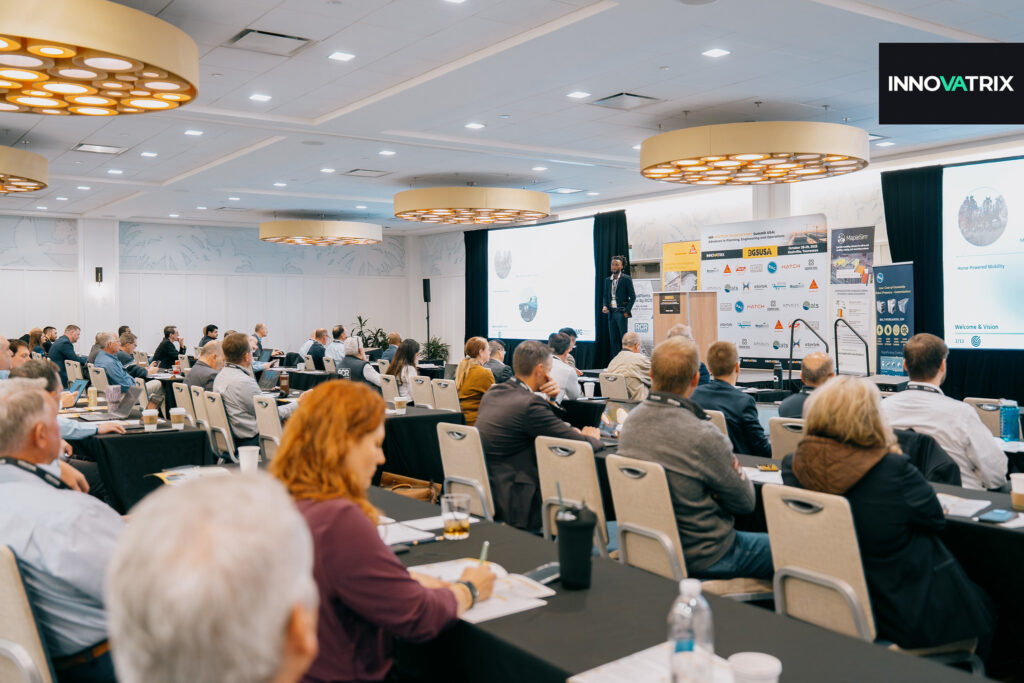
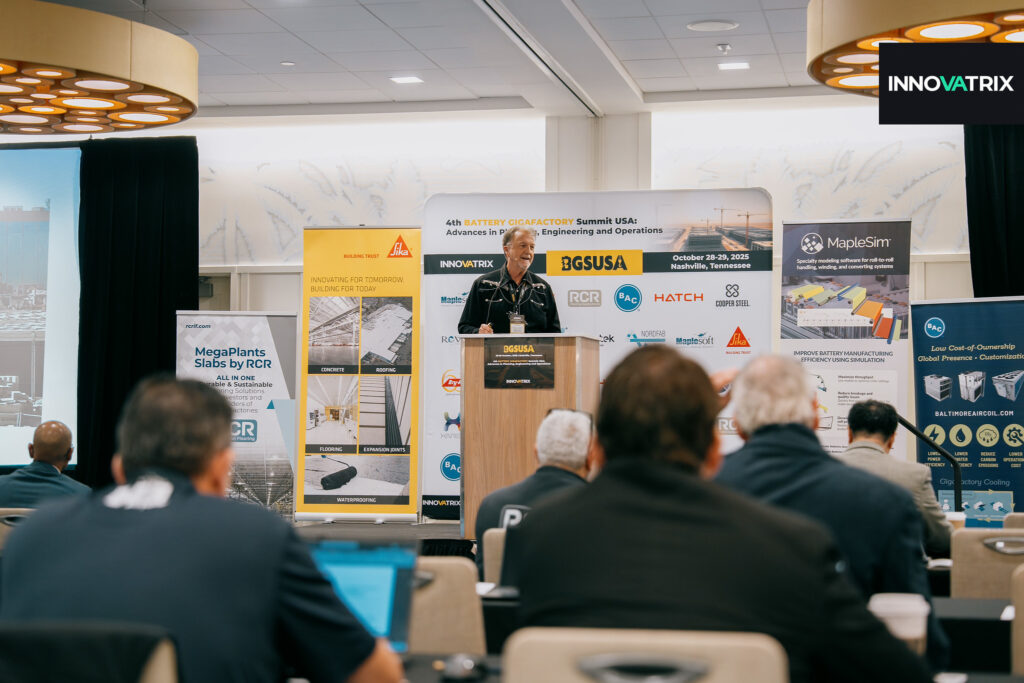
The 4th Battery Gigafactory Summit USA: Advances In Planning, Engineering And Operations took place from October 28-29, 2025, at the Margaritaville Hotel Nashville. Hosted in a key hub of technological innovation, the summit was a dynamic gathering where industry leaders, visionaries, and technical experts united to drive the evolution of gigafactories.
Our attendees explored the critical topics, including air quality management, fire safety, facility design, production strategies, planning, and construction, discussing with top industry experts sharing their strategies for optimizing efficiency and advancing sustainability.
This article will provide a session recap for those who didn’t get the chance to attend and serve as a reminder for those who attended.
Leveraging Li-ion Infrastructure for Cost-Effective Na-ion Cell Manufacturing that Respond to Data-Center Scale Power Dynamics
Safak Dogu, Manager of Business Development and Technology at Kontrolmatik USA
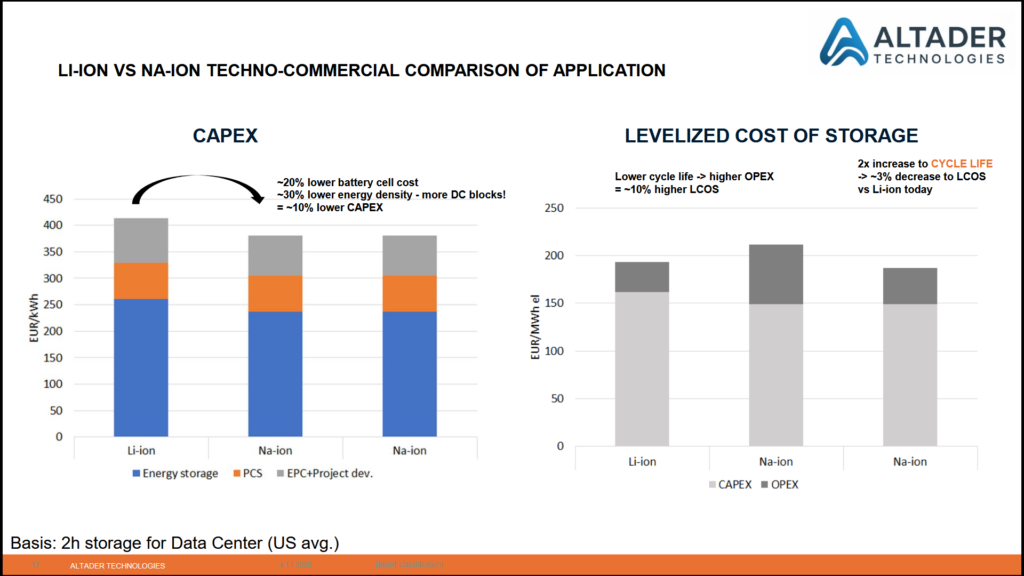
Safak explored how gigafactories can adapt to meet growing demand for both lithium-ion and sodium-ion batteries, while responding to the increasing energy requirements of data centres and modern electricity grids. He argued that sodium-ion technology presents an opportunity to enhance manufacturing flexibility by integrating selected production steps into existing lithium-ion facilities rather than constructing entirely new plants.
He explained that the most practical retrofit opportunities lie within electrode production and cell assembly, enabling manufacturers to retain much of their existing capital investment. Safak highlighted key engineering considerations for successful sodium-ion adoption, including material quality, slurry preparation, electrolyte filling and contamination control, while noting that relaxed dry-room requirements can significantly reduce HVAC energy consumption.
The presentation also examined the techno-economic benefits of sodium-ion manufacturing, including lower-cost aluminium current collectors, environmentally friendly anode materials and the potential for long-life polyanion chemistries in applications such as data centres, where safety, reliability and extended cycling are critical. Safak concluded by emphasising that although sodium-ion batteries offer cost and sustainability advantages, careful material selection, supply chain development and safety management remain essential, as thermal stability and electrolyte hazards continue to require close attention.
From Pilot Plant to Gigafactory: Cutting Ramp-Up Costs through Digitalization
Foelke Purr, Transatlantic Project Coordinator at Fraunhofer USA
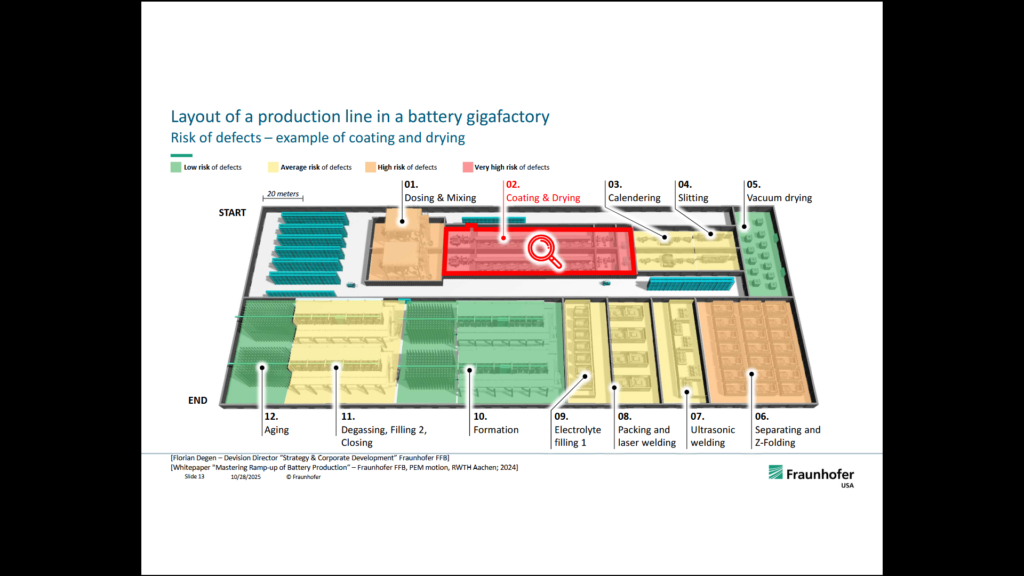
Foelke explored how pilot plants and digital technologies can significantly reduce the risks associated with scaling battery production from laboratory development to gigafactory operations. She explained that pilot facilities provide a realistic environment for validating new technologies, materials and production processes before full-scale deployment, while digitally connected production lines ensure that knowledge gained during development can be transferred efficiently into industrial manufacturing.
A key focus of the presentation was the importance of data-supported root cause analysis. Foelke demonstrated how comprehensive traceability, from raw materials through to finished battery cells, enables manufacturers to identify process interdependencies, detect defects, understand their origins and optimise production. Digital manufacturing tools, including Manufacturing Execution Systems (MES), Industrial Internet of Things (IIoT) platforms and digital twins, provide the data needed to improve product quality, reduce scrap rates and accelerate production ramp-up.
Foelke concluded that successful battery manufacturing depends on balancing three critical levers: skilled people, robust processes and digitalisation. Alongside advanced technology, organisations must invest in workforce development, cross-functional collaboration and a culture that embraces innovation. Combining expert knowledge with data-driven decision-making enables manufacturers to overcome the complexity and financial risks of scaling battery production while achieving faster, more efficient and more reliable operations.
Step One Towards Giga: The Transition from Development to Manufacturing
Matt Catterson, formerly Vice President – Manufacturing at QuantumScape
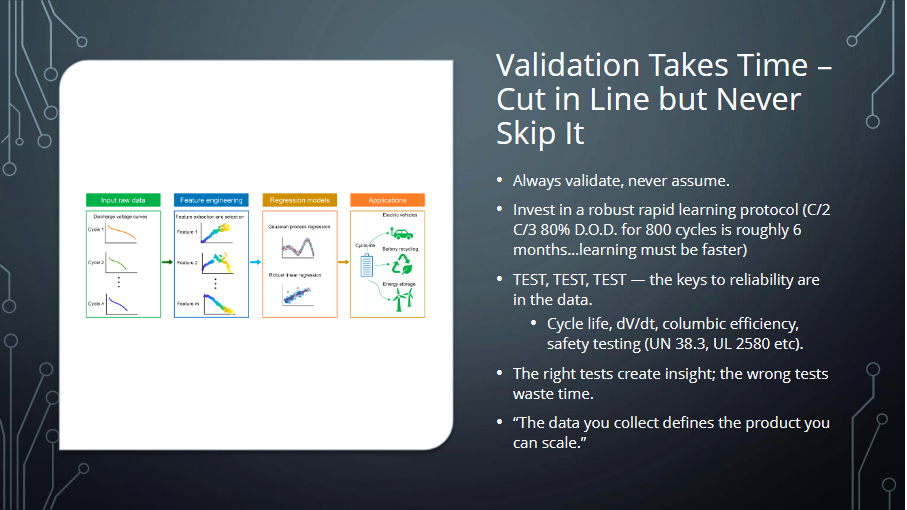
Matt outlined the principles required to successfully scale battery manufacturing, arguing that organisational culture and disciplined execution are just as important as technological innovation. He stressed that while teams should challenge assumptions and encourage debate, they must remain united behind a clear mission, learning quickly from mistakes and adapting where necessary.
He distinguished the fundamentally different goals of research and manufacturing, explaining that development must progress from concept to a reliable product before becoming a manufacturable one. Throughout this journey, rigorous validation, extensive testing and failure analysis are essential to build reliability and generate the data needed for successful scale-up.
Matt emphasised that consistent production begins with a dependable supply chain, calling for close collaboration with suppliers, robust quality standards and comprehensive change control. He also argued that high production yield has little value without long-term reliability, warning that variation becomes increasingly costly as manufacturing volumes grow.
The keynote concluded by highlighting the importance of continuous qualification, cleanliness and digital traceability. Matt explained that systematic process control, material tracking and contamination management reduce manufacturing risk, improve yield and enable faster responses to production issues, creating a strong foundation for reliable gigafactory operations.
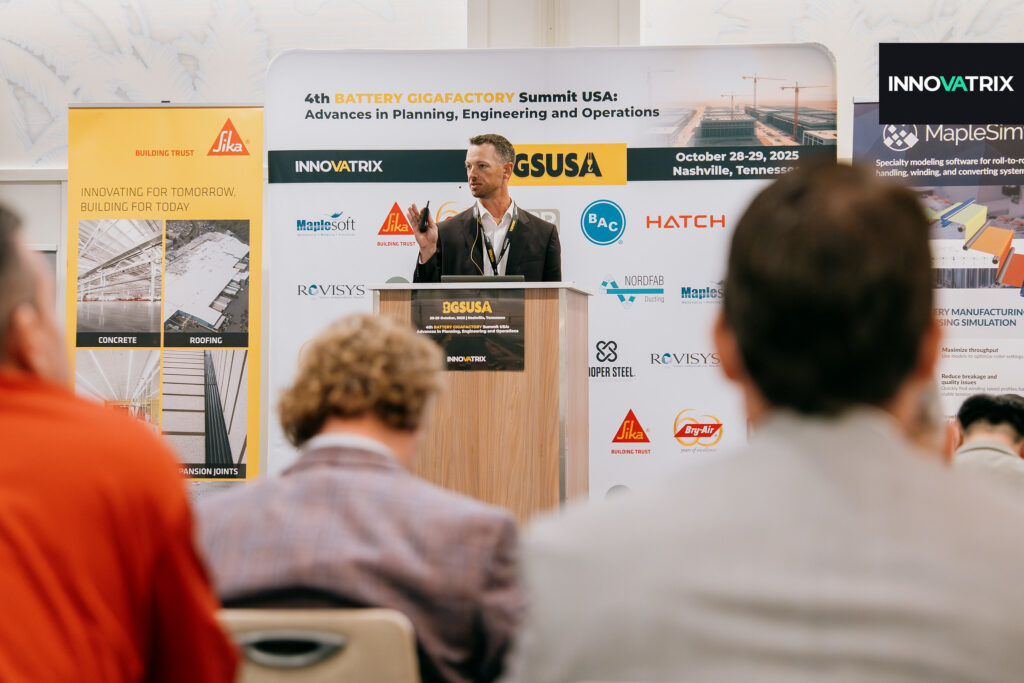
Advancing battery performance: Scaling innovations for the next generation of battery technology
Ernst van Nierop, Senior Director, Segment & Strategy at Sila Nanotechnologies
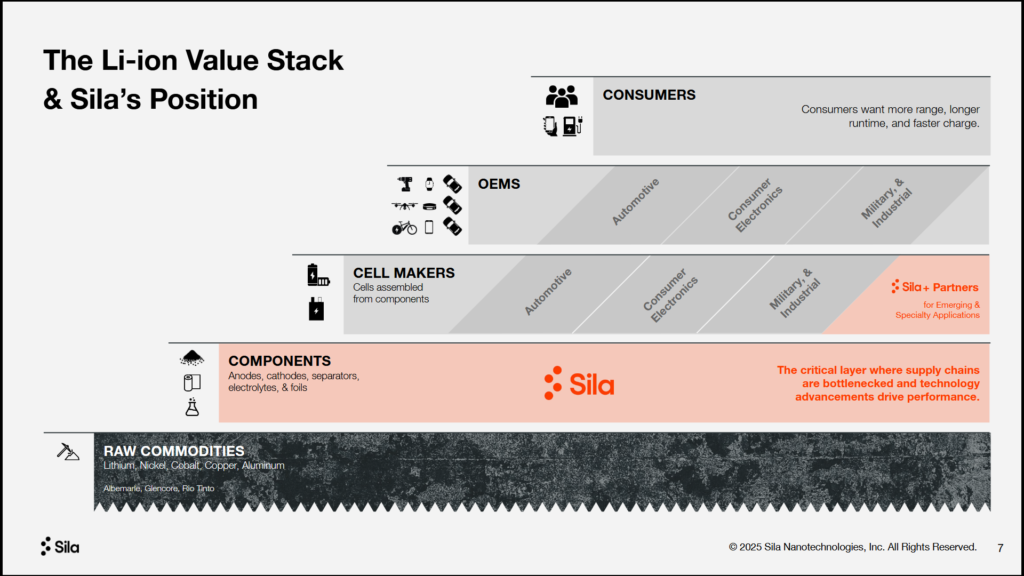
Ernst examined the challenges facing the global battery industry, highlighting the need to reduce costs, improve performance and strengthen regional supply chains. He noted that growing demand from electric vehicles, energy storage, consumer electronics and AI applications is placing increasing pressure on manufacturers to develop lighter, more powerful and longer-lasting batteries, while competing against China’s dominant position in battery materials and production.
He presented advanced silicon anode technology as a solution capable of addressing these challenges. By replacing conventional graphite anodes, silicon-based materials can significantly increase energy density, reduce battery size, improve charging speeds and deliver greater power performance without relying on Chinese graphite supply chains. Ernst explained that this enables battery production to be established on multiple continents, supporting greater manufacturing resilience and supply chain independence.
The keynote also demonstrated how technological innovation must be matched by domestic manufacturing capability. Ernst described the importance of inventing breakthrough battery technologies, building production capacity and scaling manufacturing efficiently to achieve commercial success. He concluded by highlighting the successful commercial deployment of silicon anode technology in millions of consumer electronic devices, demonstrating that advanced battery materials are already proving their value in real-world applications while paving the way for broader adoption across future battery markets.
Using Simulation to Accelerate Innovation in Next Gen Battery Manufacturing
Chris Harduwar, Vice President of Strategic Solutions at Maplesoft
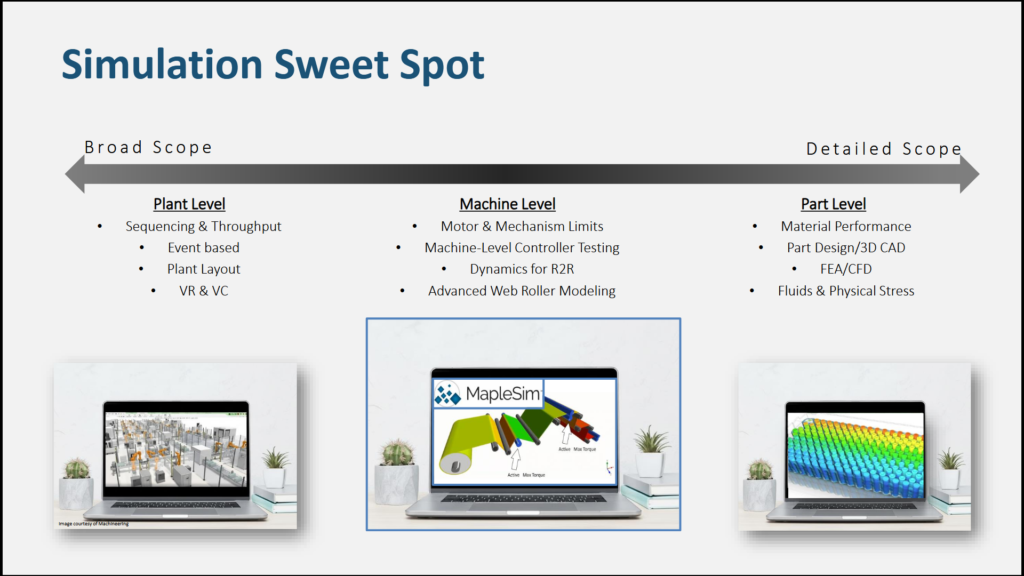
Chris demonstrated how physics-based simulation can improve battery cell assembly by enabling engineers to predict, validate and optimise manufacturing processes before physical production begins. He explained that system-level simulation provides valuable insight into web handling, helping manufacturers address tension imbalances, material behaviour and control strategies while reducing development risks.
Focusing on jelly roll assembly, Chris outlined how simulation can optimise tension control to minimise wrinkles, deformation and layer misalignment, while multi-layer winding models help prevent defects by accurately predicting the interaction between electrode and separator materials. He also highlighted the use of slippage analysis and virtual equipment testing to refine roller configurations and winding parameters without the need for costly physical trials.
The presentation emphasised the strong return on investment offered by simulation, particularly during new product introduction. Chris showed how manufacturers can reduce physical testing, improve product quality, decrease material waste and lower production costs through targeted optimisation of winding processes. He concluded by recommending a phased implementation approach, beginning with pilot projects and baseline performance data, allowing manufacturers to achieve rapid insights before scaling simulation across wider production operations to support more efficient, reliable and sustainable battery manufacturing.
ManufAgentAI Era’s Agile Lean Manufacturing in Gigafactory
Daniel Li, Chief Manufacturing Officer at SES AI
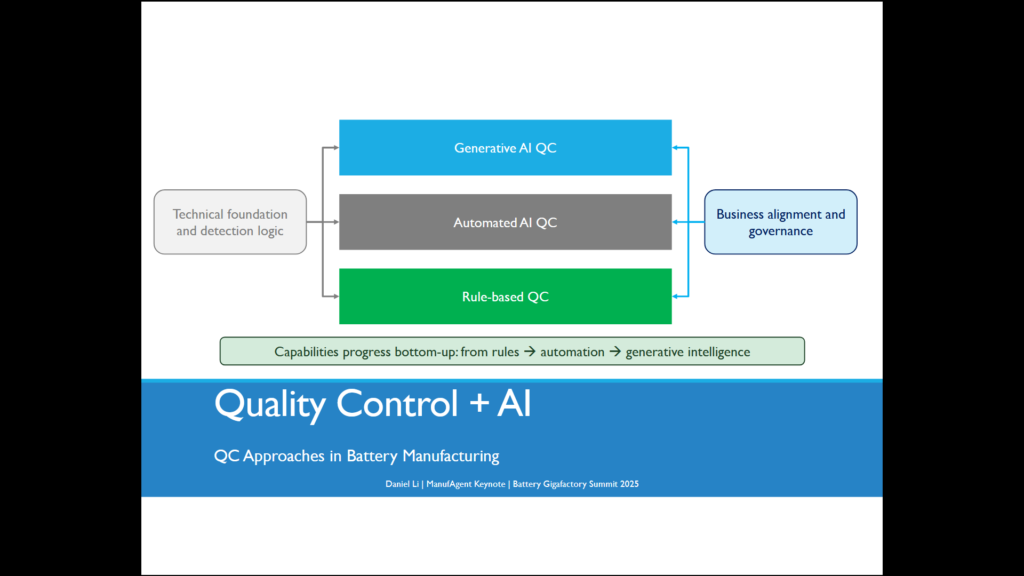
Daniel explored how artificial intelligence is transforming battery manufacturing from conventional automation into intelligent, self-optimising production systems. Using the 5M1E framework—Man, Machine, Material, Method, Measurement and Environment—he demonstrated how AI can address the key operational challenges affecting productivity, quality and scalability.
He examined the barriers facing each area, including workforce shortages, supply chain volatility, fragmented data, inconsistent processes and equipment limitations, before outlining AI-enabled solutions such as digital training, predictive maintenance, material traceability, adaptive scheduling, inline quality inspection and real-time environmental monitoring. Daniel emphasised that integrating these capabilities creates a connected manufacturing ecosystem where data continuously informs decision-making and process optimisation.
A central focus of the keynote was the concept of AI-driven manufacturing agents capable of sensing, learning and acting autonomously across factory operations. These cyber-physical systems link machines, processes and quality data to improve yield, reduce costs and increase operational flexibility through continuous learning and closed-loop optimisation.
Daniel concluded that the future of battery manufacturing lies in collaboration between people and AI. Rather than replacing human expertise, intelligent systems enhance decision-making and operational efficiency, allowing manufacturers to build agile, resilient factories capable of adapting rapidly to evolving technologies and market demands.
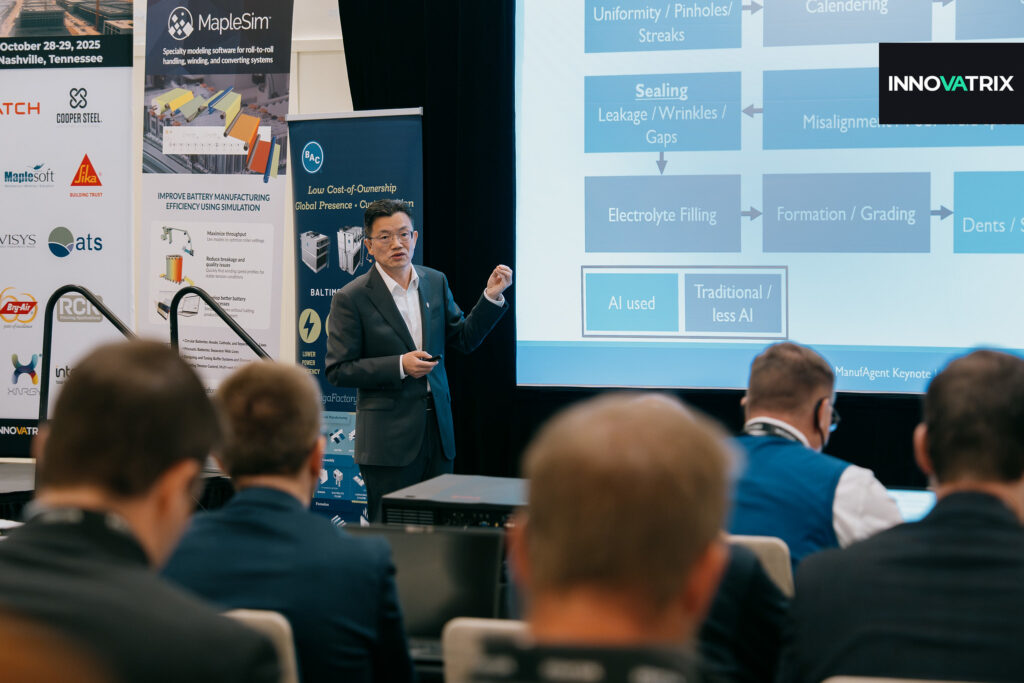
Case Study: Adapting Design & Execution Strategies to Maintain Project Momentum & Ensure Teamwide Alignment Amid Evolving Client Demands
Alex Jackson, Project Executive at Gresham Smith

Alex discussed the importance of designing battery manufacturing facilities that can adapt to changing technologies, evolving client priorities and cost pressures. He explained that successful projects require flexibility from the outset, allowing design teams to respond efficiently as product chemistries, production requirements and business objectives develop.
Using project examples, Alex demonstrated how early contractor engagement and collaborative planning help minimise the impact of design changes while maintaining project schedules. He also highlighted the need to anticipate future technological developments by incorporating adaptable structural solutions, such as exterior bracing systems that maximise interior manufacturing space while meeting stringent safety requirements.
Addressing cost management, Alex showed how close collaboration between owners, designers and contractors can overcome significant budget challenges through value engineering and innovative problem-solving. He concluded that embedding agility into both design and execution enables manufacturers to respond quickly to shifting market conditions, make better-informed decisions and deliver facilities that remain competitive throughout their operational life.
Recharging U.S. Manufacturing with Repurposed EV Batteries
Edward Chiang, CEO of Moment Energy
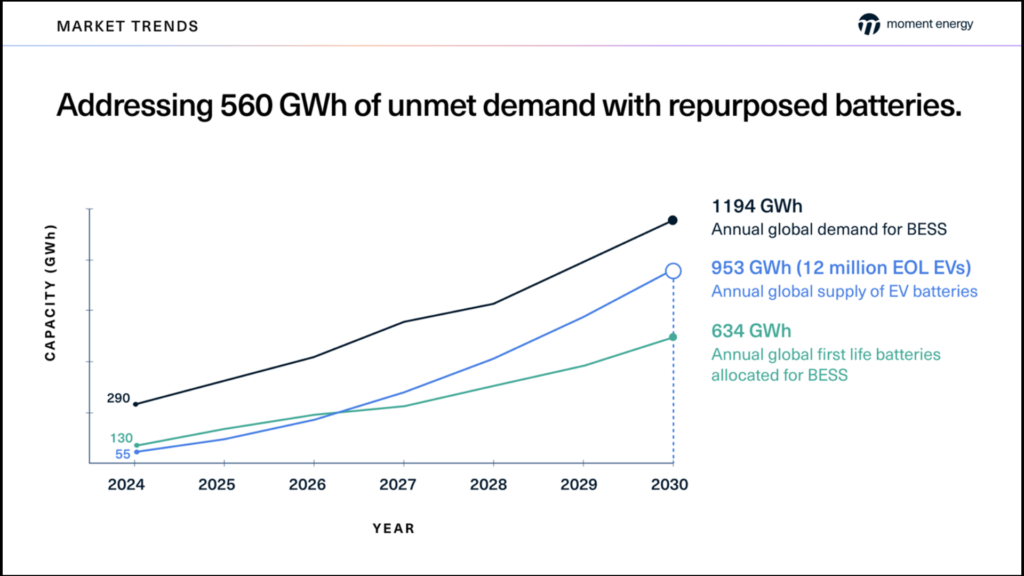
Edward presented battery repurposing as a practical and commercially attractive solution for improving energy storage while supporting a circular economy. He explained that many retired electric vehicle batteries retain around 80% of their original capacity, making them well suited for battery energy storage systems despite no longer meeting automotive performance requirements.
He argued that repurposing offers greater economic value than recycling, particularly as recycling costs often outweigh the value recovered from battery materials. By extending battery life, manufacturers can generate additional revenue while reducing waste and supporting increasingly stringent sustainability requirements.
A key focus of the presentation was the role of AI-driven battery management systems in overcoming the limitations of ageing battery packs. Edward explained how active cell balancing improves energy capacity, efficiency and operational lifespan, enabling repurposed battery systems to achieve significantly longer service lives than many competing solutions.
The keynote concluded by outlining plans for a large-scale battery repurposing gigafactory in Texas. Edward highlighted how domestic manufacturing, government support and lower production costs will help strengthen North American energy resilience while creating skilled jobs and expanding the supply of affordable, sustainable battery energy storage systems.
Revolutionizing Flooring: Sustainable Solutions for Megaplants
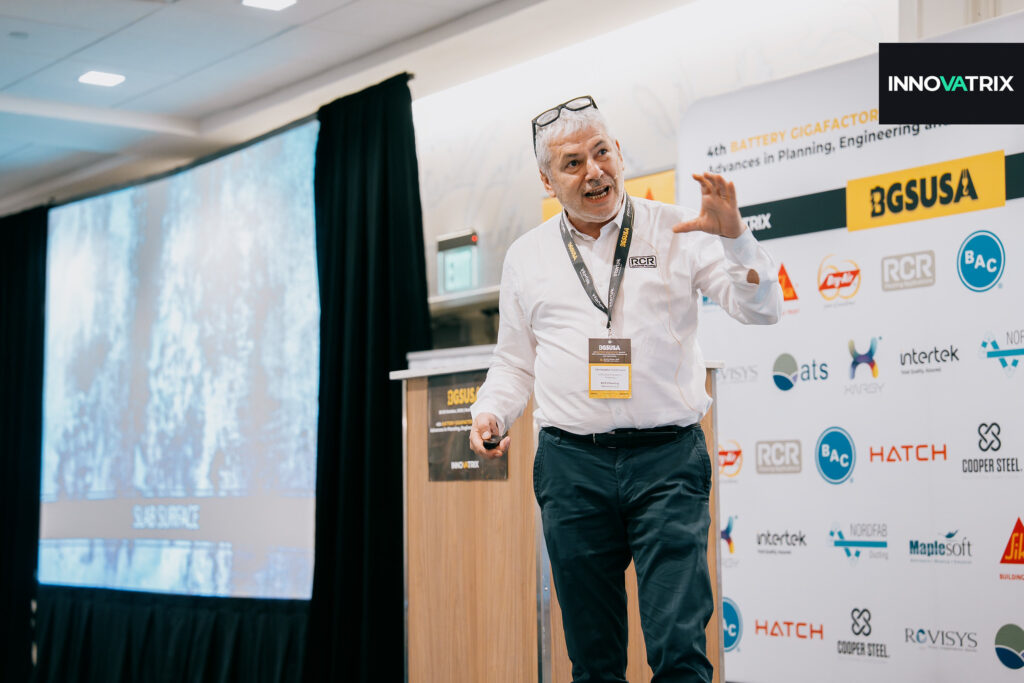
Christophe Cortinovis, Chief Operating Officer of RCR Industrial Flooring
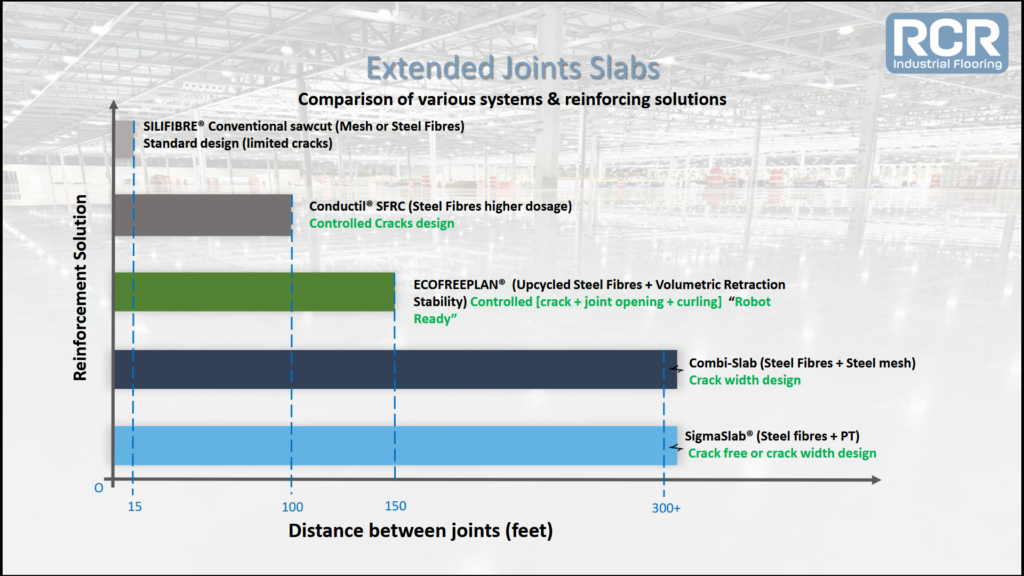
Christophe highlighted the critical role of industrial flooring in supporting modern battery manufacturing, explaining that floors are a fundamental investment that directly influences operational efficiency, safety and long-term facility performance. He emphasised that flooring must be designed to withstand real operational loads while supporting increasingly automated production environments.
The presentation explored the market trends driving demand for advanced flooring solutions, including sustainability, warehouse automation, autonomous vehicles and high-density storage systems. Christophe explained that these developments require highly durable, ultra-flat surfaces with exceptional levelness to ensure reliable operation of automated guided vehicles, robotic systems and narrow aisle warehouses while reducing equipment wear and improving productivity.
He outlined the three pillars of advanced flooring: structural design, surface finish and surface treatment. Reducing or eliminating floor joints improves durability, lowers maintenance costs and minimises operational disruption, while precise flatness and 3D mapping enhance safety and support the accurate movement of automated equipment. Christophe also discussed specialist floor coatings for battery production, highlighting the importance of clean, conductive and low-emission surfaces in dry rooms to maintain product quality and reliability.
He concluded by demonstrating how optimised floor design, sustainable materials and environmentally responsible construction practices can reduce embodied carbon while supporting certification schemes and lowering the total cost of ownership throughout a facility’s lifecycle.
Ahead of the Curve: Proactive Strategies for Gigafactory Success
Drew Overmiller, Vice President | Director of Engineering & Planning at JE Dunn Construction
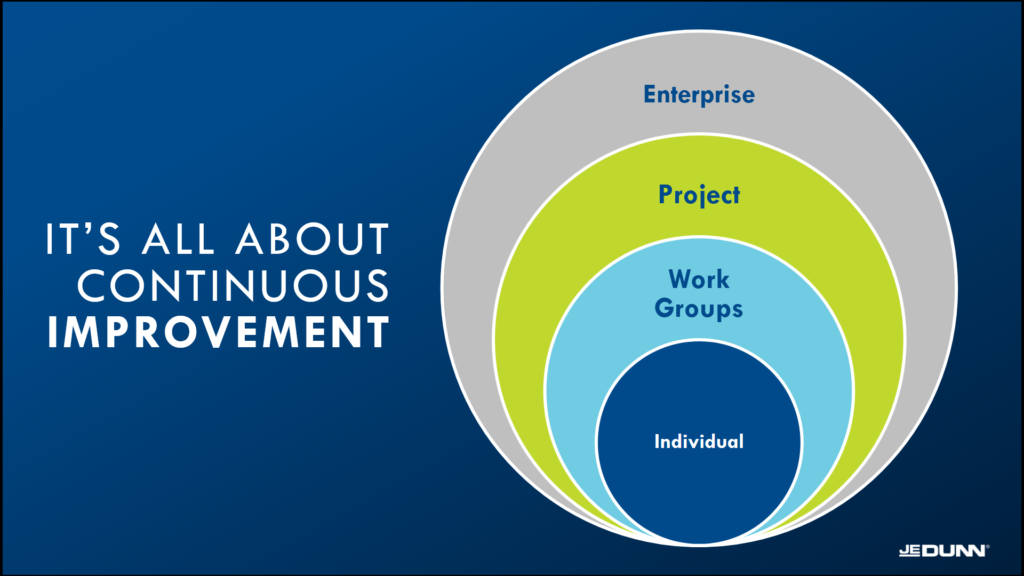
Drew examined how stronger communication, cultural awareness and proactive risk management can improve coordination on complex construction projects. He argued that successful project delivery depends on anticipating uncertainty, adapting quickly to change and maintaining alignment between all stakeholders throughout the project lifecycle.
A central theme of the keynote was the importance of understanding a client’s business culture. Drew explained that recognising differences in communication styles, hierarchy and decision-making helps build trust and reduces misunderstandings. He encouraged project teams to look beyond spoken words by considering body language, context and cultural expectations, while providing constructive feedback privately and recognising achievements publicly.
The presentation also explored the cognitive biases that can undermine project decisions, including groupthink, optimism bias and confirmation bias. Drew stressed the need to challenge assumptions with evidence and realistic planning rather than relying on hope or consensus alone.
He concluded by recommending a structured approach to managing uncertainty through the early documentation of project assumptions. By maintaining an assumption log, linking each assumption to a corresponding risk, assigning clear ownership and regularly reviewing evolving project conditions, teams can improve decision-making, reduce risk and deliver projects more efficiently.
IRA and other incentive and governmental programs
Jason Knapp, Managing Director at Capitol Energy Advocacy
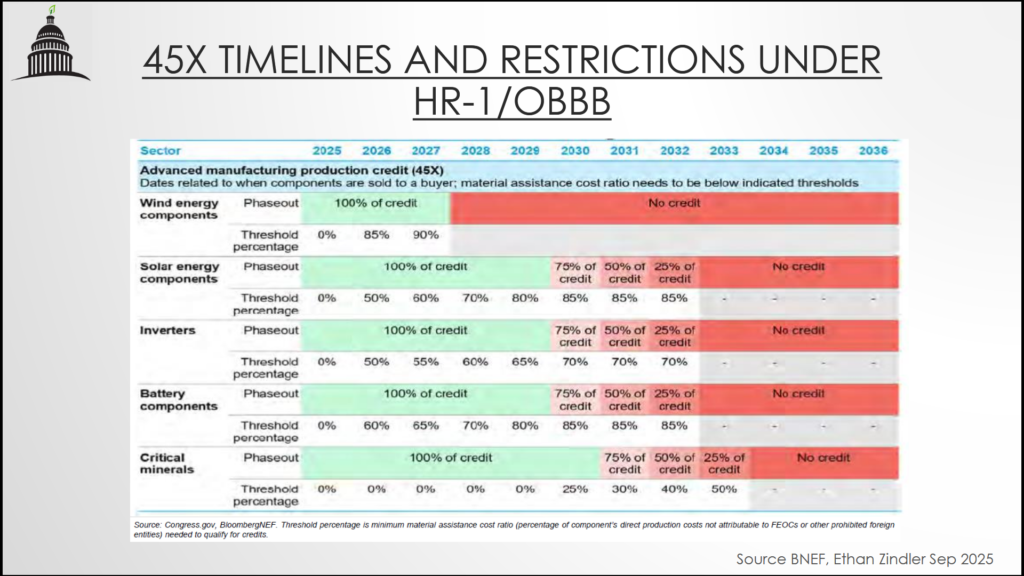
Jason examined how evolving U.S. industrial policy is reshaping battery manufacturing investment, with a particular focus on tax incentives, foreign investment restrictions and trade policy. He explained that Foreign Entity of Concern (FEOC) rules have aligned battery incentives with broader national security objectives, but have also contributed to delays and cancellations of some gigafactory projects while creating opportunities for investment from allied nations.
The presentation explored the challenges facing domestic battery manufacturing, noting that the United States continues to rely on international manufacturing expertise to accelerate production capacity. Jason compared different approaches to industry growth, arguing that balancing domestic capability with carefully managed foreign partnerships may offer the fastest route to market.
He also reviewed the role of tariffs, explaining that while they can encourage domestic production, they cannot address supply shortages unless sufficient manufacturing capacity already exists. Similarly, he argued that financial incentives alone are insufficient if lengthy permitting processes, regulatory complexity and slow approval timelines continue to delay investment.
Jason concluded by encouraging manufacturers to remain actively engaged with the evolving policy landscape. He stressed the importance of understanding legislative changes, participating in rulemaking consultations and working with state and federal representatives to help shape policies that support long-term growth and competitiveness in the U.S. battery industry.
Cooling gigafactories while saving water and energy
Bill Williams, Global Director Business Development – Battery Manufacturing at Baltimore Aircoil Company
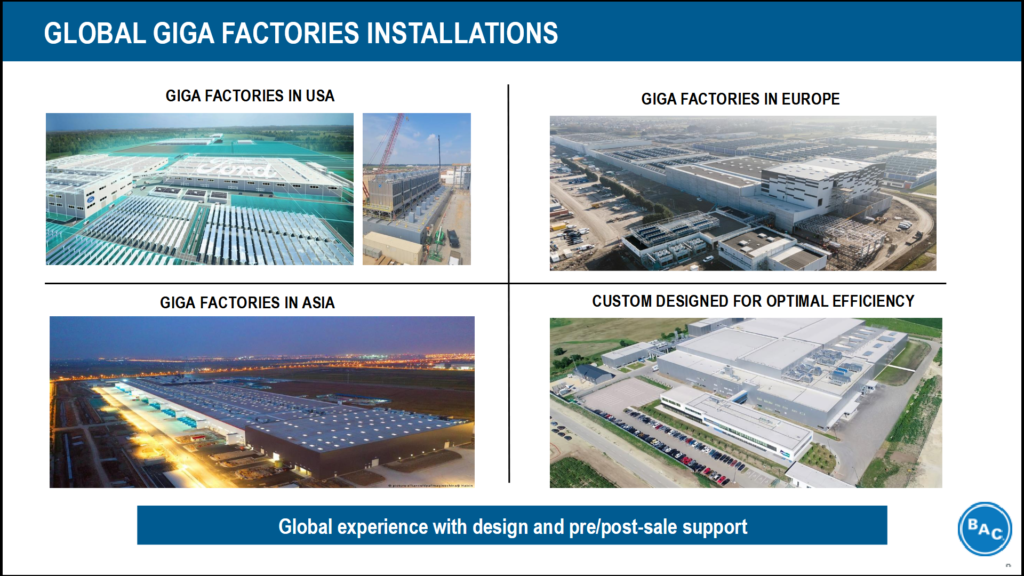
Bill examined the growing challenge of managing heat loads in battery gigafactories while balancing energy efficiency, water conservation, carbon reduction and operational costs. He identified the manufacturing processes with the highest cooling demands and explained how thermal management strategies can play a significant role in improving both sustainability and long-term operating performance.
The presentation focused on the need for cooling systems that deliver year-round reliability, operational flexibility and scalability while meeting the practical requirements of modern gigafactories. Bill highlighted considerations including site layout, redundancy, maintenance, thermal capacity, low noise operation, rapid installation, building management system integration and water availability, emphasising that cooling infrastructure must be designed to support future expansion as well as current production needs.
He demonstrated how adiabatic cooling technology can reduce energy and water consumption by using evaporative pre-cooling to improve heat exchange efficiency while keeping water separate from the cooling coils. This approach enhances hygiene, extends equipment life and reduces overall water usage through recirculation systems.
Bill concluded that selecting the right combination of cooling technologies enables manufacturers to minimise operating costs and environmental impact simultaneously, with customised thermal management solutions helping gigafactories achieve reliable, efficient and sustainable operations throughout their lifecycle.
Joint Venture Battery Plant Lean Construction and Integrated Project Delivery
Alonso De Avila Jr., Senior Project Manager at General Motors, and Alan Blanchette, Vice President Automotive | Battery at Barton Malow
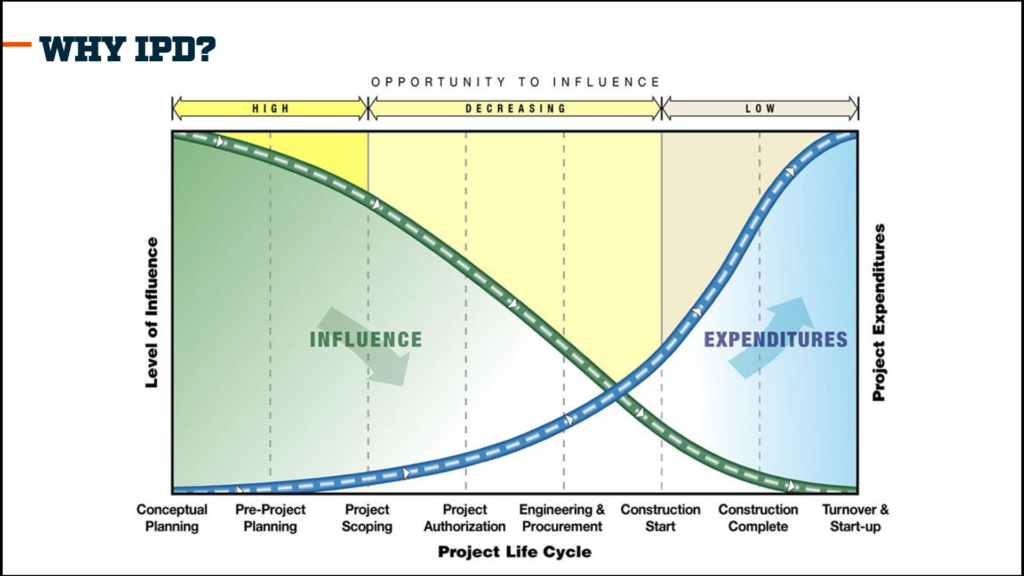
Alonso and Alan presented Integrated Project Delivery (IPD) as a collaborative approach to designing and constructing battery manufacturing facilities more efficiently and with reduced project risk. They explained that IPD brings owners, designers and contractors together under a shared contractual framework, promoting transparency, joint decision-making and shared responsibility for project outcomes.
The keynote outlined the principles underpinning successful IPD, including trust, accountability, collaboration and continuous learning. The speakers demonstrated how early stakeholder involvement, clearly defined project objectives, shared risk and reward mechanisms, and proactive dispute mitigation create stronger alignment throughout the project lifecycle.
Drawing on practical experience, Alonso and Alan highlighted how construction-led design, target value design and strategic procurement can accelerate delivery while controlling costs. They also discussed lessons learned in battery manufacturing projects, including the development of new protocols for clean and dry rooms, increased use of prefabricated building systems, early engagement with regulatory authorities and close coordination with equipment suppliers to support commissioning.
They concluded that successful IPD relies on active owner participation, open communication and a project-first mindset. By embracing lean principles and genuine collaboration, project teams can improve quality, reduce disputes and deliver complex battery manufacturing facilities on time and within budget.
Dry Room Design 101: Ensuring Peak Performance and Energy Efficiency
Keith Hoge, Business Development Consultant at Bry-Air Asia
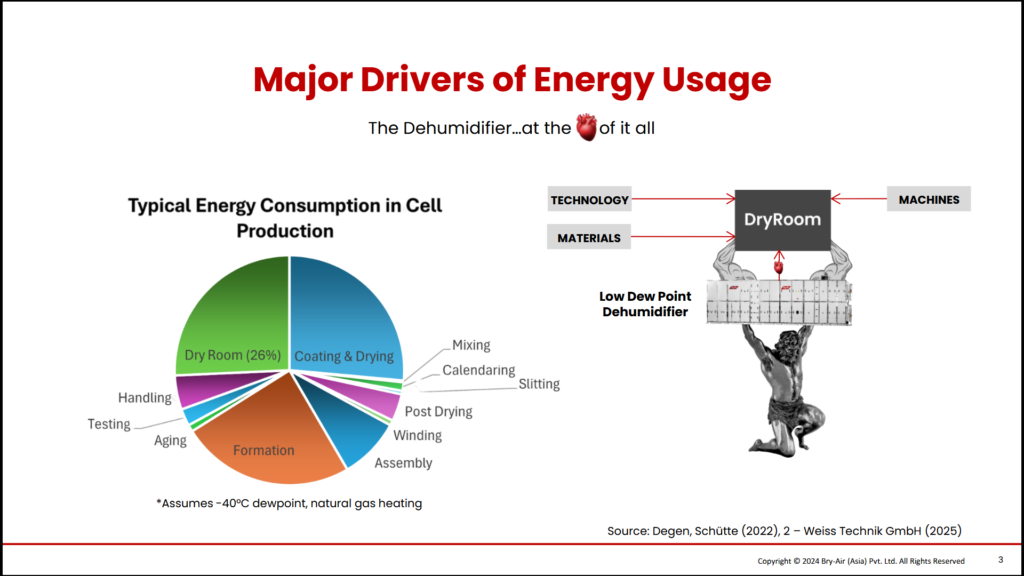
Keith examined the importance of optimising dry room design to balance the stringent environmental requirements of battery manufacturing with long-term energy efficiency and operating costs. He stressed that defining dry room specifications at the earliest stages of a project is essential, as decisions on dew point, occupancy and ventilation have a significant impact on both capital investment and ongoing energy consumption.
He explained that achieving lower dew points requires substantially greater airflow and dehumidification capacity, particularly as newer battery technologies demand increasingly dry environments. The presentation explored the main contributors to energy use, including desiccant reactivation, fresh air conditioning and occupancy levels, highlighting how each increases the moisture load that dehumidification systems must manage.
Keith emphasised that close collaboration between project owners, equipment suppliers and dry room specialists is vital to accurately define operational requirements, including equipment exhaust rates, staffing levels and environmental specifications. He also encouraged manufacturers to establish clear operating procedures, such as occupancy management and gowning practices, to minimise unnecessary moisture loads.
He concluded that careful system sizing, integrated design and operational best practices enable manufacturers to maintain ultra-low dew points efficiently, supporting product quality while reducing energy consumption and long-term operating costs.
Battery Project Execution Challenges and Solutions
Mark Bellino, Global Director, Battery Materials and Cells at Hatch Associates Consultants, Inc.
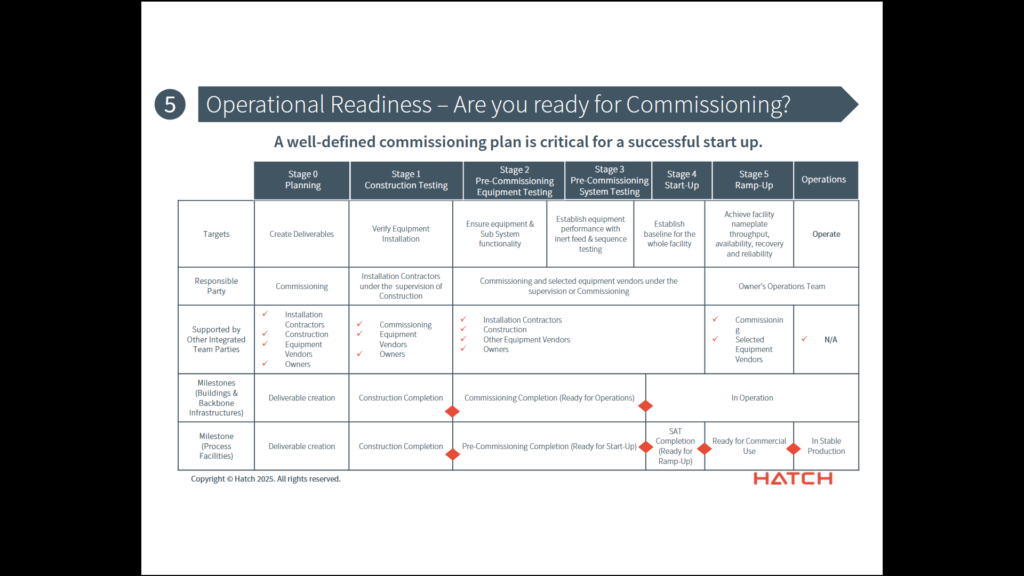
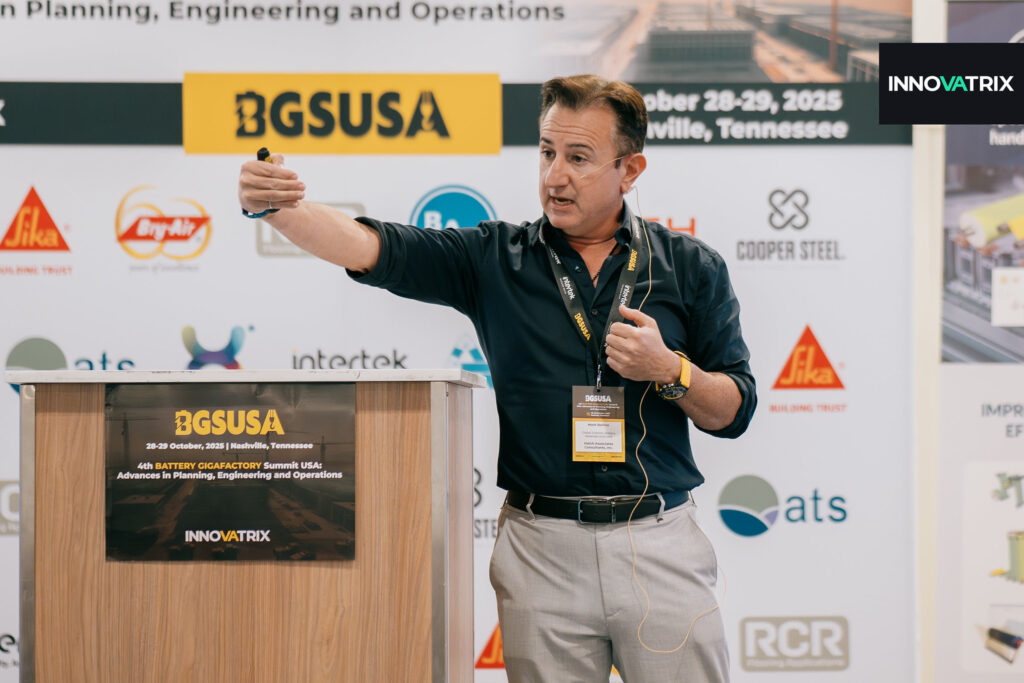
Mark explored the principal challenges affecting battery materials and cell manufacturing projects, drawing lessons from recent developments in North America and Europe as manufacturers seek to establish resilient domestic supply chains. He argued that many early projects failed because of technical shortcomings, cost overruns and inadequate operational readiness rather than a lack of investment.
The presentation emphasised the importance of robust technical risk management, encouraging project teams to rely on experienced engineering expertise, validate technologies through pilot and demonstration stages, and balance schedule pressures with engineering quality. Mark stressed that a factory delivered on time has little value if it cannot operate reliably or achieve production targets.
He also examined common issues in project execution, including poorly defined scopes, fragmented engineering responsibilities, ineffective interface management and weak change control. To address these challenges, he recommended integrated design processes, comprehensive engineering coordination, detailed scheduling and stronger collaboration between owners, contractors, equipment suppliers and project management teams.
Mark concluded by highlighting operational readiness as a critical factor for successful start-up. Comprehensive operator training, maintenance planning, standard operating procedures, manufacturing execution systems and structured commissioning programmes are all essential to ensure facilities transition efficiently from construction to stable commercial production and avoid the costly failures experienced by earlier projects.
Powering the AI Boom: How Batteries and Gigafactories Will Enable the Next Generation of Data Centers
Paul Charles, CEO of Charles and Associates and Battery Thought Leader
Paul examined how the rapid expansion of artificial intelligence is transforming electricity demand and creating a major new market for battery energy storage systems. He explained that the increasing power requirements of AI-driven data centres are placing unprecedented pressure on electricity grids, accelerating the shift towards behind-the-meter energy generation and storage.
He argued that batteries are evolving from backup power solutions into essential infrastructure, providing fast-response power, black-start capability, grid services and operational resilience within hybrid energy systems. As this transition gathers pace, Paul warned that safety standards and regulatory frameworks are struggling to keep up with technological deployment, creating both challenges and opportunities for the battery industry.
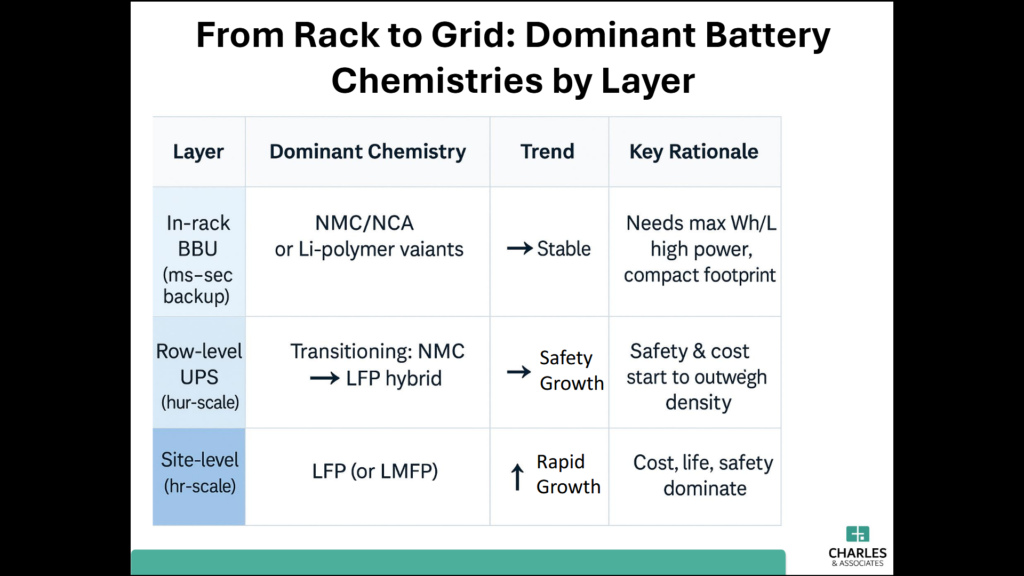
The keynote outlined a layered power architecture for future data centres, integrating battery technologies across site-level energy storage, facility uninterruptible power supplies and rack-level backup systems. Paul also highlighted how power scarcity, changing utility requirements and increasing investment from private capital are making battery energy storage a strategic financial asset as well as an operational necessity.
He concluded that battery manufacturers, engineering firms, investors and policymakers all have an opportunity to capitalise on this growing market. By aligning manufacturing capacity, infrastructure planning and supportive policy, the battery industry can play a central role in enabling the next generation of AI-powered digital infrastructure.
U.S. Battery Pack Manufacturing: Challenges and Opportunities
John Warner, Chief Customer Officer at American Battery Solutions
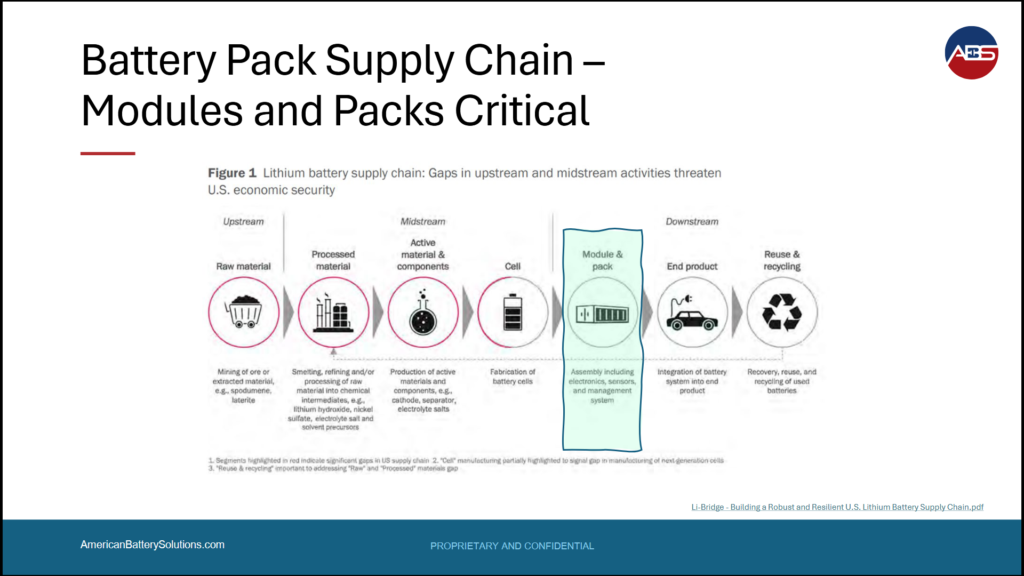
John highlighted the growing importance of battery pack manufacturing as the U.S. battery industry expands, arguing that cell production alone is insufficient to support the country’s electric vehicle ambitions. He explained that battery packs are the critical link between individual cells and vehicle performance, making domestic pack manufacturing essential for supply chain resilience, product integration and long-term competitiveness.
The presentation examined the principal challenges facing U.S. battery pack manufacturers, including limited access to domestic components, reliance on imported materials, workforce shortages, high capital requirements, policy uncertainty and constrained innovation. John noted that smaller manufacturers are particularly affected by supplier prioritisation, funding limitations and difficulties attracting skilled engineering talent.
He outlined a strategic roadmap for strengthening the sector, emphasising the need to build resilient domestic supply chains, invest in workforce development and adopt flexible automation to improve productivity while reducing barriers to growth. He also advocated greater collaboration across the industry through open technology standards and shared innovation ecosystems to accelerate product development.
John concluded that establishing a strong domestic battery pack manufacturing base will be vital to supporting commercial electric vehicle production, improving national energy security and enabling the United States to compete more effectively in the global battery market.
4th Battery Gigafactory Summit Sponsors
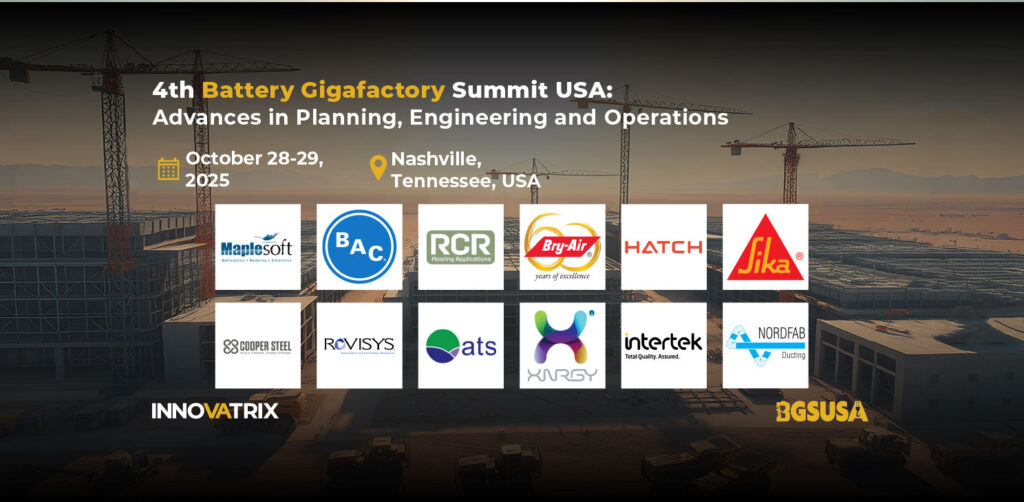
The 4th Battery Gigafactory Summit USA: Advances In Planning, Engineering And Operations was supported by a wide range of sponsors who brought their teams to our exhibition area, and Innovatrix would like to thank them again for their support.
MapleSim, BAC, RCR Flooring Products, Bry-Air, Hatch, Sika, Cooper Steel, RoviSys, ATS Products, XNRGY Climate Systems, Intertek and Nordfab Ducting.
If you would like to network with fellow experts and innovators from across the battery manufacturing industry and be informed on the latest innovations in gigafactory construction, join us at an Innovatrix conference today! Our next edition of the Battery Gigafactory Summit will be taking place later this year on November 18-19, 2026, in Nashville, Tennessee, USA.
For more information, visit our website or email us at info@innovatrix.eu for the event agenda. Visit our LinkedIn to stay up to date on our latest speaker announcements and event news.